What is Social Media Analytics and Why is it Important for Australian Businesses

With over 20.9 million active social media users in Australia – that’s nearly 78% of the population – platforms like Facebook, Instagram, TikTok, and LinkedIn are where your customers live, shop, and talk about brands. But posting content and hoping for the best isn’t enough. This is where social media analytics comes in.

Social media analytics is the process of collecting, analysing, and interpreting data from your social channels to understand performance, audience behaviour, and trends. It turns raw numbers (likes, shares, clicks, and comments) into actionable insights that drive real business growth.

For Australian SMEs, startups, and established brands alike, mastering social media analytics isn’t optional – it’s essential for staying competitive. In this comprehensive guide, we’ll break down exactly what social media analytics entails, why it’s a game-changer for businesses Down Under, and how you can get started today.

The State of Social Media in Australia
Australia is one of the most connected nations in the world. Here’s the latest data shaping our digital landscape:

  • 20.9 million social media users (77.9% of the population) as of early 2025 (DataReportal Digital 2025: Australia).
  • Australians spend an average of 1 hour and 51 minutes per day on social platforms – that’s over 6.5 platforms per user each month (Meltwater & We Are Social).
  • Social media ad spend is projected to hit AU$7.5 billion in 2025, up from AU$6 billion in 2023 (Sprout Social).
  • 58.3% of Australians use social media for brand research and discovery, rivalling traditional search engines
  • Top platforms: Facebook (77.7% usage), Instagram (65.2%), TikTok (38% of adults 18+), and YouTube, leading in time spent.

With trends like short-form video exploding on TikTok (Aussies spend nearly 39 hours/month on the app) and social commerce on the rise, ignoring analytics means missing out on massive opportunities – especially as social media now influences purchasing decisions for over 80% of shoppers.

What exactly is Social Media Analytics?

At its core, social media analytics involves tracking key metrics across your profiles to answer critical questions:

  • Reach and Impressions: How many people see your content?
  • Engagement: Likes, comments, shares, saves – what resonates with Aussies?
  • Audience Insights: Demographics (e.g., 50.7% female users), location (urban vs regional Australia), and peak active times.
  • Conversions: Clicks to your website, leads generated, or direct sales via social shops.
  • Sentiment Analysis: What are people saying about your brand? Positive, negative, or neutral?
  • Competitor Benchmarking: How do you stack up against rivals in your industry?

Tools go beyond basic platform insights (like Facebook Analytics or Instagram Insights) to aggregate data across channels, spot trends, and even predict future performance using AI.

Key Metrics Every Australian Business Should Track

MetricWhy It Matters for Aussie BusinessesExample Target
Engagement RateMeasures genuine interest – vital in a trust-focused market1-5% per post
Reach GrowthTracks brand visibility amid algorithm changes+10% monthly
Click-Through Rate (CTR)Drives traffic to your site/e-commerce1-3% for ads
Conversion RateLinks social efforts to sales/ROI2-5%
Sentiment ScoreMonitors reputation, especially during crises>70% positive
Video Completion RateCrucial for TikTok/Reels dominance in Australia>50%

Why Social Media Analytics is Crucial for Australian Businesses
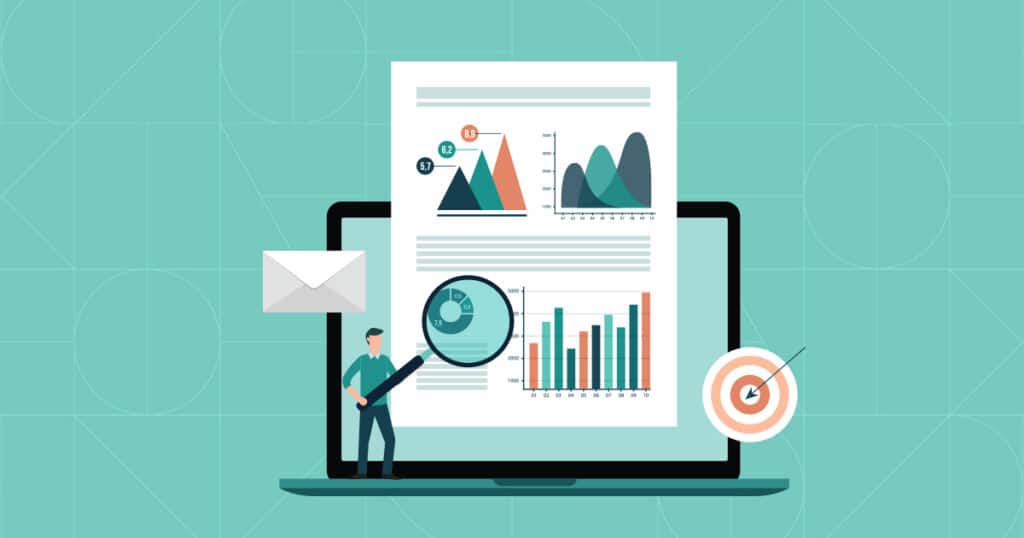
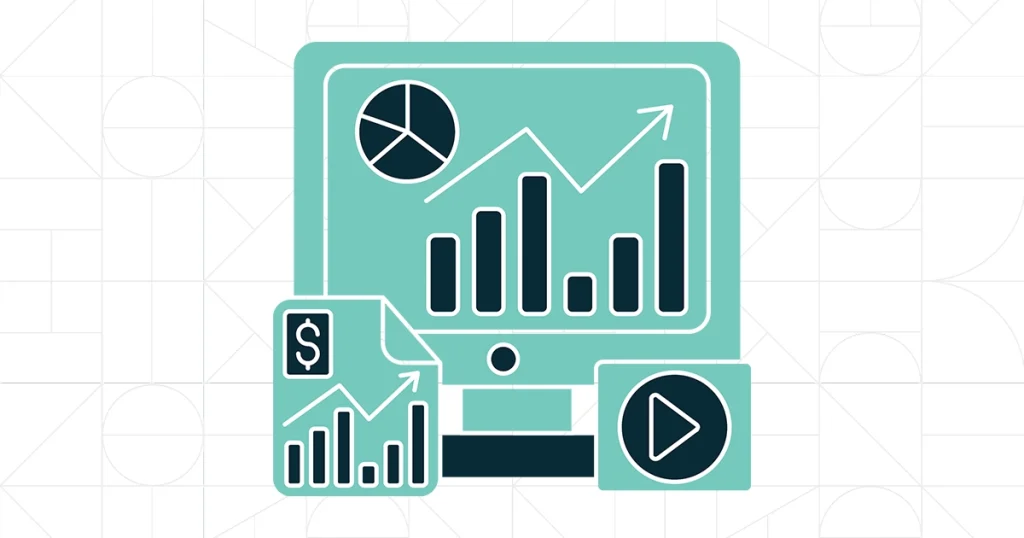
website tracking analytics through wordpress websites

In a market where social media drives 33.6% of brand discovery and ad costs are rising, analytics delivers measurable advantages:

  1. Data-Driven Decisions Over Guesswork No more “posting and praying”. Analytics reveals what content works – e.g., video posts get 3x more engagement in Australia – helping you refine strategies for maximum ROI.
  2. Deeper Customer Understanding: Know your audience inside out: Gen Z prefers TikTok for news (34% usage), while Boomers stick to Facebook. Tailor content to regional nuances, like promoting eco-friendly products to sustainability-conscious Aussies.
  3. Better ROI on Ad Spend With social ads eating up 29% of digital budgets, analytics identifies high-performing campaigns. Track cost-per-click and conversions to stretch every dollar further.
  4. Competitive Edge Benchmark against competitors. See what’s working for rivals in Sydney cafes or Melbourne fashion brands, then adapt and outperform.
  5. Crisis Management and Reputation Protection Real-time sentiment tracking spots issues early – vital in a country where misinformation concerns are high (75% of adults worried).
  6. Compliance and Trend Adaptation With upcoming under-16 social media bans and privacy laws tightening, analytics helps navigate changes while capitalising on trends like social commerce (projected AU$8 billion by 2029).
  7. Proven Business Growth Businesses using analytics see up to 20-30% higher engagement and faster growth. it’s the difference between blending in and standing out.

Australian success stories abound: Brands like Princess Polly thrive on TikTok analytics-driven UGC, while EB Games uses real-time insights on X for flash sales.

Top Social Media Analytics Tools for Australian Businesses

From free natives to enterprise solutions:

  • Hootsuite Analytics → Best overall for multi-platform tracking and best-time-to-post recommendations.
  • Sprout Social → Excellent for Australian-specific trends and sentiment analysis.
  • Brandwatch → Advanced AI for deep listening and competitor intel.
  • Google Analytics + Meta Business Suite → Free combo for traffic and conversion tracking.
  • Meltwater → Great for local media monitoring alongside social media.

Many offer AUD pricing and APAC servers for compliance.

How to Get Started with Social Media Analytics Today

  1. Define your goals (e.g., lead gen, brand awareness).
  2. Choose 3-5 key metrics.
  3. Set up tools and baseline reporting.
  4. Review weekly, optimise monthly.
  5. Partner with experts if needed – like netstripes for tailored strategies.

Ready to Unlock the Power of Social Media Analytics for Your Business?

Australian businesses that harness social media analytics will dominate their markets. Don’t let valuable insights slip away – turn data into dollars.

At netstripes, we specialise in helping Australian SMEs implement cutting-edge digital strategies, including full social media analytics setup, reporting, and optimisation. Contact us today for a free audit and see how we can help your business rank higher, engage better, and grow faster.

Ready to take your social media to the next level? Book a consultation with netstripes now
Top 10 Benefits of SEO for Small Businesses

Small businesses face fierce competition from giants with massive marketing budgets. But there’s a game-changer that levels the playing field: Search Engine Optimization (SEO). SEO isn’t just a buzzword—it’s a strategic approach to making your website more visible on search engines like Google, driving organic traffic without breaking the bank. For small businesses, where every dollar counts, SEO delivers long-term growth, credibility, and customer loyalty.

As we head into 2025, with AI-powered search evolving and user intent taking center stage, the benefits of SEO are more pronounced than ever. Whether you’re a local café in Sydney or an e-commerce startup, investing in SEO can transform your online presence. At NetStripes, we’ve helped countless SMEs harness these advantages through tailored strategies, from on-page optimizations to content mastery. In this guide, we’ll dive into the top 10 benefits of SEO for small businesses, backed by real insights and proven results. Ready to boost your visibility? Let’s explore.

1. Increased Organic Traffic Without Ongoing Costs

Top 10 Benefits of SEO for Small Businesses
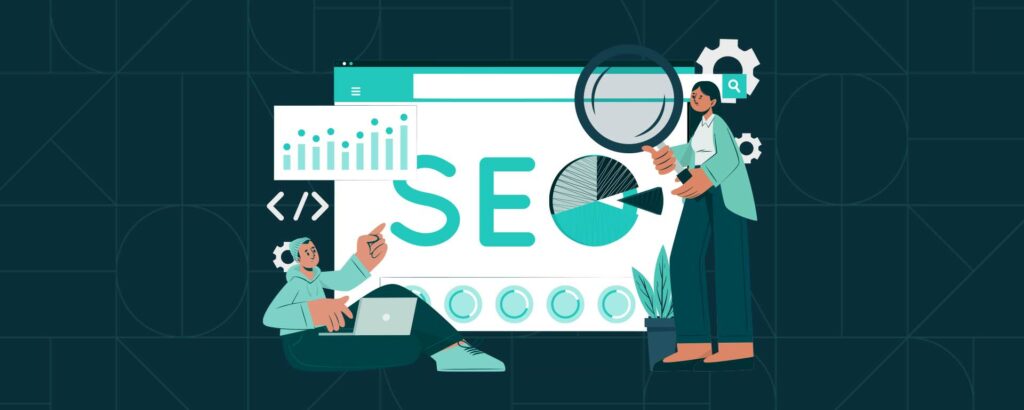
Seo analysis concept set. Character optimizing and analyzing web traffic to improve conversion rate and website performance. Vector illustration

One of the most compelling perks of SEO is the influx of free, organic traffic. Unlike paid ads that vanish once your budget dries up, SEO-optimized content keeps attracting visitors 24/7. In 2025, with over 53% of global web traffic stemming from organic search, small businesses can tap into a vast audience searching for exactly what you offer. Imagine potential customers typing “best coffee near me” and landing on your site— that’s the power of ranking higher.

For small businesses, this means sustainable growth. A well-optimized site can see traffic double within months, as search engines reward relevance and quality. At NetStripes, our clients often report 2-3x traffic increases post-SEO audits, turning casual browsers into loyal patrons. The key? Focus on long-tail keywords like “affordable web design Sydney” to target niche queries with less competition. This not only fills your pipeline but also reduces reliance on expensive channels, freeing up resources for innovation.

2. Cost-Effective Alternative to Paid Advertising

Paid ads on Google or Facebook can eat up 20-30% of a small business’s marketing budget, yet they deliver temporary results. SEO flips the script by offering a fraction of the cost for exponential returns. Studies show SEO can yield up to 14.6% close rates compared to 1.7% for outbound leads, making it a smarter spend.

In 2025, as ad costs rise with inflation and platform algorithm changes, SEO’s upfront investment (think content creation and technical tweaks) pays dividends year after year. For a small retailer, optimizing product pages might cost $500-2000 initially but generate thousands in sales without monthly fees. NetStripes specializes in this ROI-driven approach, blending SEO with minimal PPC for hybrid strategies that maximize every cent. The result? Predictable growth without the feast-or-famine cycle of ads.

3. Higher Conversion Rates and Quality Leads

SEO doesn’t just bring traffic—it brings the right traffic. By aligning with user intent, your site attracts ready-to-buy visitors, boosting conversions by up to 200%. Small businesses thrive on this precision; generic ads often waste clicks on unqualified leads, but SEO funnels in high-intent searchers.

Consider a local service provider ranking for “emergency plumber Sydney”—those clicks convert faster than broad awareness campaigns. Tools like Google Analytics reveal these insights, showing drop-off points and hot spots. In our work at NetStripes, we’ve seen conversion rates soar from 2% to 15% through targeted optimizations. Prioritize mobile-friendly designs and fast load times, as 2025’s mobile-first indexing penalizes slow sites. Ultimately, SEO turns your website into a lead-generation machine, nurturing prospects through educational content.

4. Enhanced Brand Visibility and Awareness

In a crowded digital space, visibility is currency. SEO catapults your brand to the top of search results, exposing you to millions without traditional advertising. For small businesses, this means competing with established players—your site becomes the first impression for new audiences.

By 2025, with voice search and visual SERPs dominating, consistent SEO builds topical authority, earning featured snippets and “People Also Ask” spots. A bakery optimizing for “gluten-free cakes Sydney” gains not just views but trust. NetStripes’ holistic strategies include local SEO packs to dominate Google Maps, driving foot traffic. Over time, this visibility fosters word-of-mouth, as users share and cite your expertise, creating a virtuous cycle of organic mentions.

5. Improved User Experience and Site Credibility

SEO in 2025 emphasizes user-centric design, rewarding sites that load quickly, navigate intuitively, and provide value. For small businesses, a seamless experience translates to trust—visitors who bounce from clunky sites rarely return.

Core Web Vitals (loading speed, interactivity, visual stability) now heavily influence rankings, so optimizing images and code is non-negotiable. This not only retains users but signals reliability to search engines. Our NetStripes audits often uncover quick wins like schema markup, which enhances rich snippets and click-through rates by 30%. A credible site backed by SEO builds long-term loyalty, turning one-time visitors into repeat advocates.

6. Long-Term ROI and Sustainable Growth

Unlike fleeting trends, SEO compounds over time. Initial efforts might take 3-6 months to peak, but they sustain revenue for years, offering an ROI of 12:1 or higher. Small businesses love this predictability—no more seasonal slumps tied to ad spend.

In an era of economic uncertainty, SEO’s evergreen nature ensures steady leads. Content like blog posts on “2025 small business tax tips” continues performing. At NetStripes, we track this via custom dashboards, helping clients scale from 100 to 1,000 monthly visitors organically. Invest wisely in quality backlinks and updates to future-proof your strategy.

7. Local SEO Dominance for Community Reach

For brick-and-mortar small businesses, local SEO is a must—optimizing for “near me” searches can drive 28% more in-store visits. Claim your Google Business Profile, gather reviews, and target geo-specific keywords to own your neighborhood.

2025’s hyper-local trends, fueled by AI personalization, make this even more vital. A Sydney café ranking in the local pack sees immediate bookings. NetStripes’ local campaigns integrate reviews and events, boosting visibility in maps and assistants like Siri.

8. Competitive Edge Over Rivals

SEO levels the playing field, allowing small businesses to outrank larger competitors lacking optimization. Tools like Ahrefs reveal gaps—target underserved keywords to steal market share.

In competitive niches, agility wins; update content faster than big corps. Our NetStripes competitors’ analysis uncovers these opportunities, turning underdogs into leaders.

9. Builds Trust and Authority

Top rankings signal expertise—users trust Google’s curation, associating high positions with quality. For small businesses, this E-A-T (Expertise, Authoritativeness, Trustworthiness) boost fosters loyalty.

Publish guest posts and earn backlinks to amplify this. NetStripes crafts authority-building content, elevating client domains from 20 to 50+ in months.

10. Measurable and Actionable Insights

Top 10 Benefits of SEO for Small Businesses

SEO provides granular data via tools like Google Search Console, tracking everything from impressions to conversions. Small businesses gain clarity on what’s working, enabling data-driven tweaks.

In 2025, AI analytics predict trends, refining strategies proactively. NetStripes delivers monthly reports, ensuring transparency and results.

Wrapping Up: Unlock SEO’s Power for Your Small Business

The top 10 benefits of SEO—from free traffic to unbeatable ROI—prove it’s indispensable for small businesses in 2025. By prioritizing SEO, you’re not just surviving; you’re thriving in a digital economy.

Ready to elevate your game? At NetStripes, Sydney’s trusted digital partner for SMEs, we craft bespoke SEO strategies that deliver real results. Contact us today for a free audit and start your journey to the top of search results. Your success story awaits!

The Importance of Digital Marketing for Small Businesses

Over 5 billion people are online and scrolling through their feeds every day, small businesses face a stark reality: if you’re not visible digitally, you might as well be invisible. Gone are the days when a prime spot on the high street or a yellow pages ad could sustain a local shop or startup. Digital marketing has leveled the playing field, allowing scrappy entrepreneurs to compete with corporate giants using nothing more than a smartphone and a smart strategy.

At Netstripes, we’ve seen firsthand how small businesses in Sydney and beyond transform from struggling underdogs to thriving powerhouses through targeted digital efforts. Whether you’re a boutique coffee roaster in Surry Hills or a freelance graphic designer in Melbourne, digital marketing isn’t just a buzzword—it’s your lifeline to growth, customer loyalty, and sustainable success. In this comprehensive guide, we’ll dive deep into why digital marketing is non-negotiable for small businesses, explore its key benefits, and share actionable strategies to get you started. Let’s brew up some digital magic.

What Exactly Is Digital Marketing, and Why Does It Matter for Small Businesses?

Importance of Digital Marketing for Small Businesses

Before we geek out on tactics, let’s clarify the basics. Digital marketing encompasses all online efforts to promote products, services, or brands. This includes search engine optimization (SEO), social media marketing, email campaigns, pay-per-click (PPC) advertising, content creation, and more. Unlike traditional marketing—think billboards or radio spots—digital marketing is interactive, data-driven, and hyper-targeted.

For small businesses, the stakes are high. With limited budgets and teams, every dollar must count. According to recent stats from HubSpot, 86% of small business owners report that digital marketing has increased their revenue, and 78% say it helps them reach new customers more effectively. Why? Because the internet doesn’t discriminate by business size. A mom-and-pop bakery can rank on Google alongside a national chain if they play their cards right.

The challenges are real, though. Small businesses often juggle multiple hats—owner, marketer, accountant—and traditional marketing feels out of reach. Digital marketing flips the script: it’s affordable, scalable, and lets you test ideas in real-time. At Netstripes, we specialize in crafting bespoke digital strategies that turn these constraints into competitive edges, helping SMEs like yours achieve big-brand results without the big-brand budget.

The Game-Changing Benefits of Digital Marketing

So, why invest time (and a modest budget) in digital? The returns are multifaceted, touching everything from brand awareness to bottom-line profits. Here’s a breakdown of the top benefits, backed by real-world insights.

1. Unparalleled Reach and Visibility

Imagine casting a net into a global ocean of potential customers instead of fishing in a local pond. Digital marketing puts your business in front of millions—without the hefty costs of print ads or TV spots.

  • Global Access: Platforms like Google and Instagram allow you to target users worldwide. A Sydney-based artisan jeweler can sell to customers in London with a single targeted ad.
  • Local Domination: Tools like Google My Business ensure you’re the first result for “best coffee near me,” driving foot traffic to your physical store.
  • 24/7 Availability: Your website works while you sleep, answering queries and capturing leads around the clock.

In our experience at Netstripes, we’ve boosted local search visibility for clients by up to 300% in just six months through SEO tweaks and Google Ads. The result? More walk-ins, more sales, and a buzzing online presence.

2. Cost-Effectiveness on a Shoestring Budget

Small businesses thrive on efficiency, and digital marketing delivers ROI that traditional methods can’t touch. You don’t need a six-figure ad spend to see results—start small and scale.

  • Low Entry Barriers: Free tools like social media posts or organic SEO can generate leads without upfront costs.
  • Pay-for-Performance Models: With PPC (e.g., Google Ads), you only pay when someone clicks—perfect for testing waters.
  • Measurable Savings: Track every penny with analytics tools like Google Analytics, eliminating guesswork.

A Netstripes client, a small e-commerce store selling eco-friendly home goods, cut their marketing costs by 40% while doubling online sales by shifting to digital channels. It’s not magic; it’s math.

3. Precision Targeting for the Right Audience

Shouting into the void? Not anymore. Digital marketing lets you laser-focus on ideal customers based on demographics, behaviors, interests, and even location.

  • Demographic Precision: Target millennials on TikTok or boomers on Facebook.
  • Behavioral Insights: Retarget website visitors who abandoned carts with personalized emails.
  • Lookalike Audiences: Platforms like LinkedIn help you find prospects similar to your best customers.

This isn’t creepy—it’s smart. By nurturing leads who are already interested, small businesses see conversion rates soar. We’ve helped freelance consultants at Netstripes land high-value clients by targeting niche LinkedIn groups, turning cold outreach into warm conversations.

4. Building Authentic Relationships and Loyalty

Customers crave connection, and digital marketing fosters it like nothing else. It’s a two-way street where feedback loops build trust and community.

  • Social Proof: User-generated content, reviews, and testimonials amplify your voice organically.
  • Personalization at Scale: Email newsletters tailored to past purchases make customers feel seen.
  • Community Building: Engage on social media to turn one-time buyers into lifelong fans.

Loyalty isn’t just feel-good—it’s profitable. Studies show repeat customers spend 67% more than new ones. At Netstripes, our social media strategies have grown client communities by 150%, leading to word-of-mouth referrals that cost nothing.

5. Data-Driven Decisions and Agility

In the analog era, marketing was a shot in the dark. Digital? It’s a spotlight on what works.

  • Real-Time Analytics: Monitor clicks, conversions, and engagement to pivot fast.
  • A/B Testing: Try two email subject lines and double down on the winner.
  • Predictive Insights: Tools like Google Trends forecast market shifts.

This agility is a superpower for small businesses. When a campaign flops, tweak it overnight—not after a quarterly review. Our data-driven approach at Netstripes ensures every strategy evolves, maximizing impact for time-strapped owners.

Essential Digital Marketing Channels for Small Businesses

Importance of Digital Marketing for Small Businesses

Theory is great, but action wins. Here’s how to harness the big five channels, with tips tailored for SMEs.

SEO: The Foundation of Organic Growth

Search Engine Optimization ensures you’re found when customers search for solutions you provide. Start with keyword research (tools like Ahrefs or free Google Keyword Planner), optimize your site for mobile, and create valuable content.

Pro Tip: Claim your Google My Business profile—it’s free and boosts local SEO. Netstripes clients see a 200% traffic spike from basic on-page optimizations.

Social Media Marketing: Where Conversations Happen

Pick 2-3 platforms where your audience hangs out (e.g., Instagram for visuals, LinkedIn for B2B). Post consistently, engage authentically, and use Stories or Reels for quick wins.

Pro Tip: User-generated content contests build buzz cheaply. We’ve turned a single hashtag campaign into thousands of impressions for our clients.

Email Marketing: The King of Nurturing Leads

Build a list with opt-in forms on your site, then send value-packed newsletters. Tools like Mailchimp offer free tiers for starters.

Pro Tip: Segment lists for personalization—abandoned cart emails recover 10-20% of lost sales.

PPC Advertising: Quick Wins with Google and Social Ads

Pay-per-click gets you instant visibility. Set a daily budget of $10-50 to test.

Pro Tip: Focus on long-tail keywords like “affordable web design Sydney” to reduce costs and increase relevance.

Content Marketing: Educate to Convert

Blogs, videos, and infographics position you as an expert. Repurpose one piece across channels for efficiency.

Pro Tip: Guest post on industry sites for backlinks—it’s free exposure that juices SEO.

Real-World Success Stories: Small Businesses That Nailed It

Don’t just take our word—look at these triumphs:

  • Case Study 1: Sydney Bakery Boom. A family-owned patisserie partnered with Netstripes for SEO and Instagram ads. Result? 250% increase in online orders within three months, all from local searches.
  • Case Study 2: Freelance Fitness Coach. Using LinkedIn targeting and email funnels, she grew her client base from 5 to 50 in a year, without a physical gym.
  • Global Inspiration: Glossier. This beauty brand started as a blog, leveraging user content on social to hit $100M in revenue—proof that digital storytelling scales.

These stories show: Digital marketing isn’t one-size-fits-all, but it’s adaptable to any niche.

Overcoming Common Hurdles: Tips for Small Business Owners

Jumping in? Watch for these pitfalls:

  • Time Crunch: Outsource to experts like Netstripes for strategy while you focus on your core biz.
  • Overwhelm: Start with one channel—master SEO before adding PPC.
  • Budget Fears: Allocate 7-8% of revenue to marketing; digital stretches it further.
  • Measurement Anxiety: Use free dashboards to track KPIs like traffic and conversions.

Remember, consistency beats perfection. Post weekly, analyze monthly, and iterate.

The Future of Digital Marketing for Small Businesses

AI and automation are game-changers—think chatbots for 24/7 support or predictive ads. But the human touch remains key: authenticity wins in a sea of bots.

As we head into 2026, voice search and video dominance will rise. Small businesses that adapt? They’ll lead the pack.

Ready to Digitally Transform Your Small Business?

Digital marketing isn’t a luxury—it’s the oxygen your business breathes in 2025. It amplifies your voice, stretches your budget, and connects you to customers who need what you offer. At Netstripes, we’re passionate about empowering Sydney’s SMEs with world-class web design, SEO, Google Ads, and social strategies that deliver measurable growth.

Don’t let your competitors snag the spotlight. Book a free digital audit today and let’s craft a plan that turns your small business into a digital powerhouse. What’s one digital goal you’re chasing this month? Drop it in the comments—we’re here to help.

Google Ads vs SEO for Sydney Businesses: Which Works Better?

In Sydney’s bustling business scene, where over 200,000 small businesses compete for a population exceeding 5 million, a strong online presence is vital for success. With Australians conducting billions of Google searches annually—94% on Google—digital marketing strategies like Google Ads and Search Engine Optimisation (SEO) are critical for driving traffic, generating leads, and boosting sales.

For Sydney-based SMEs, the key question is: which delivers better results? Is it the instant, targeted reach of Google Ads or the sustainable, organic growth of SEO?

This in-depth guide compares both strategies, analysing their benefits, drawbacks, costs, timelines, and ROI, tailored to Sydney’s unique market. Using recent Australian statistics and expert insights, we’ll help you decide the best approach for your business

Table of Contents

What is SEO?

google ads vs seo

Search Engine Optimisation (SEO) optimises your website and content to rank higher in organic (unpaid) search results on platforms like Google. It involves technical enhancements, keyword research, content creation, and backlink building to boost visibility.

For Sydney businesses, local SEO is key, using tools like Google Business Profile optimisation, location-specific keywords (e.g., “best plumber in Sydney CBD”), and mobile-friendly designs to capture “near me” searches, which have surged by 250% in recent years.

SEO is a long-term strategy that builds authority, delivering consistent traffic without per-click costs once rankings are secured. However, it requires patience—results typically take 3-6 months—and ongoing maintenance to adapt to Google’s frequent algorithm updates.

google ads vs seo

Google Ads is a pay-per-click (PPC) advertising platform where businesses bid on keywords to display ads at the top of search results, on YouTube, or across the Google Display Network. You pay only when someone clicks your ad, making it measurable. For Sydney businesses, location targeting enables precise outreach, such as showing ads to users in specific postcodes or near your store.

Unlike SEO, Google Ads offers instant visibility. Launch a campaign today, and ads can appear immediately, driving traffic and conversions. It’s ideal for promotions, seasonal sales, or testing markets, but costs can rise in competitive niches like finance or real estate, where Australia’s average cost-per-click (CPC) ranges from $1-2, though high-value keywords can exceed $50.

Pros and Cons of SEO

SEO lays a foundation for lasting online success but has challenges. Here’s a breakdown:

AspectProsCons
CostLow ongoing expenses after initial investment; organic traffic is essentially free.Upfront costs for content creation, audits, and tools; Australian small businesses spend an average of $1,200 monthly on SEO services.
Time to ResultsBuilds compounding growth; rankings improve over time.Slow to start; may take months to see significant traffic increases.
SustainabilityLong-lasting effects; rankings can hold with maintenance.Vulnerable to algorithm changes; 38% of businesses struggle to keep up.
Trust and CredibilityOrganic results are seen as trustworthy—70% of users prefer them over ads.Requires consistent effort to maintain authority.
ScalabilityHighly scalable for broad audiences; effective for e-commerce and content-heavy sites.Resource-intensive for high-competition keywords in Sydney’s saturated markets.

SEO suits businesses with limited budgets seeking enduring visibility. In Australia, 36% of SMEs invest in SEO, leading to a 27% increase in leads for those optimising local keywords. It’s less ideal for urgent campaigns.

Pros and Cons of Google Ads

Google Ads delivers rapid, targeted results but requires careful budget management.

AspectProsCons
CostPay only for clicks; flexible budgeting starts from as low as $10/day.Ongoing expenses; CPC can rise with competition—Australian small businesses see 68% positive ROI only with consistent management.
Time to ResultsImmediate traffic upon campaign launch.Stops when the budget runs out; no residual benefits.
SustainabilityEasy to scale or pause; great for short-term boosts.Relies on continuous funding; 45% of small businesses use PPC, but ad fatigue can occur.
Trust and CredibilityAds appear prominently but are labelled “Sponsored,” which some users skip (nearly 80% ignore paid ads).It may be perceived as less authentic than organic results.
ScalabilityPrecise targeting by location, demographics, and intent; superior for local Sydney searches.High costs in competitive industries; average SMBs invest 7x more in paid ads than in SEO.

Google Ads is perfect for new businesses needing quick wins or established ones running promotions. In Sydney, where 72% of local searches lead to in-store visits, it’s a powerful tool for foot traffic.

Key Differences and Comparison

The main differences between Google Ads and SEO are speed, cost structure, and longevity. Google Ads provides instant results but at a recurring cost, while SEO requires time but yields compounding returns.

  • Cost Efficiency: SEO offers higher long-term ROI, with organic search driving 51% of website traffic versus 10% from paid. Google Ads can achieve up to twice as many visitors in the short term.
  • Timeframe: Ads deliver immediate traffic; SEO builds gradually.
  • Targeting: Ads excel in granular control (e.g., Sydney-specific demographics); SEO relies on content relevance.
  • Measurement: Both are trackable, but Ads provide real-time data via Google Analytics.

For Sydney businesses, industry competition matters—high in tourism and retail, where Ads may offer quicker visibility, but SEO dominates for sustained authority.

ROI and Statistics for Australian Businesses

google ads vs seo

ROI is the key metric. A 2025 study shows Australian businesses spending $1.5 billion on SEO services, up 12% from 2024, with small firms averaging $1,200 monthly. Meanwhile, 68% of consistent Google Ads users report positive ROI, and PPC generates twice the visitors of SEO in some cases.

SEO’s ROI compounds—after 3-12 months, traffic becomes “free.” Ads provide quicker but costlier returns, with an average click-through rate (CTR) of 3.17%. In Sydney, local SEO boosts leads by 27%, while Ads drive 72% of local searches to visits.

Considerations for Sydney Businesses

Sydney’s market is distinct: high urban density, diverse demographics, and heavy reliance on mobile searches (69% of Ad clicks). Local SEO leverages Google Maps, crucial as 43% of in-store shoppers use Google for reviews. Google Ads excels for geo-targeted campaigns, like promoting events in the CBD.

Budget constraints are significant—SMEs often favor SEO for cost savings, but Ads suit seasonal peaks like Christmas retail. Competition is intense; niches like real estate see high CPCs, making SEO more viable long-term.

Case Studies from Sydney

A Sydney cafe using SEO optimised for “coffee near Circular Quay,” increasing organic traffic by 150% in six months, leading to sustained customer growth. Conversely, a startup law firm ran Google Ads for “Sydney family lawyer,” generating 50 leads in the first month but at a $2,000 cost.

A hybrid example: A retail store combined both, using Ads for immediate sales while building SEO for ongoing traffic, achieving 300% ROI over a year.

Which One Works Better?

Neither is universally “better”—it depends on your goals. Google Ads excels for quick results, limited budgets for testing, or seasonal pushes. SEO shines for long-term growth, brand authority, and cost efficiency. In Sydney’s fast-paced market, experts often suggest starting with Ads to gather data (e.g., high-performing keywords) to inform SEO efforts.

The Power of a Hybrid Approach

The smartest strategy often combines both. Use Google Ads for immediate visibility while investing in SEO for sustainability. This “Digital Trifecta” approach—strategy, website optimisation, and advertising—maximises ROI. Businesses using both see compounded growth, with Ads data enhancing SEO targeting.

Conclusion

For Sydney businesses navigating the digital landscape, choosing between Google Ads and SEO isn’t about picking a winner but aligning with your goals, budget, and timeline. SEO builds a strong foundation for organic success, while Google Ads accelerates growth. A blended strategy often delivers the best results, ensuring short-term gains and long-term dominance.

For expert guidance in developing tailored Google Ads and SEO strategies, netStripes, a trusted Sydney-based digital marketing partner, specialises in helping local businesses optimise their online presence. Contact netStripes for a free website assessment and personalised solutions to transform your Sydney business into a digital powerhouse.