How to Choose Digital Marketing Agency in Australia: A Comprehensive Guide

Over 28 million Australian internet users drove an estimated AUD $13 billion in digital ad spend in 2025 (Interactive Advertising Bureau Australia), making a robust online presence critical for business success. Whether you’re a small business aiming to boost e-commerce sales or a growing enterprise seeking brand visibility, partnering with the right digital marketing agency can transform your trajectory. However, choosing poorly risks wasting budgets and missing big opportunities.

With Australia’s unique market dynamics—stringent privacy laws like the Australian Privacy Principles (APPs), local search trends, and a mobile-first audience—selecting an agency with local expertise is non-negotiable. This guide provides a detailed roadmap to choosing the perfect digital marketing agency in Australia. From defining goals to evaluating expertise, we’ll cover every step to ensure your decision drives measurable growth.

How to Choose a Digital Marketing Agency in Australia

How to Choose a Digital Marketing Agency in Australia

1. Define Your Business Objectives and Needs

Before exploring agencies, you need to clarify your goals first. Are you aiming to increase website traffic, generate leads, or boost online sales? In Australia, where e-commerce sales reached AUD $62 billion in 2023 (Australia Post eCommerce Report), your objectives might include growing your online store’s conversions or enhancing brand awareness among specific demographics.

Conduct an internal audit using tools like Google Analytics to identify gaps. Perhaps your site struggles with mobile optimisation or your social media engagement lags among younger audiences. Set SMART goals (Specific, Measurable, Achievable, Relevant, Time-bound), such as “Increase organic search traffic by 25% in six months, targeting Australian consumers.”

Consider your industry: a B2B tech firm needs LinkedIn lead generation, while a retail brand might prioritise Instagram’s shoppable features. Budget is key! Australian agencies typically charge AUD $3,000–$15,000 monthly (Statista). Aim for a partner delivering a 3:1 ROI, common in Australia’s mature market. Create a brief outlining your goals, target audience (e.g., urban professionals or rural SMEs), and KPIs to streamline your search.

2. Research and Shortlist Agencies with Australian Expertise

Australia’s digital marketing ecosystem is vibrant, with thousands of agencies listed on platforms like Clutch or the Australian Marketing Institute (AMI). Prioritise agencies with a strong Australian presence to ensure compliance with local laws like the Spam Act 2003 and cultural alignment with consumer behaviours, such as peak shopping during Boxing Day sales. Check LinkedIn for local client endorsements and X for real-time industry insights via hashtags like #AusMarketing.

Shortlist 5–7 agencies, focusing on those offering Australia-specific strategies. A comparison table helps:

Agency NameCore ServicesYears in MarketNotable Clients
netStripesSEO, PPC, Social, Content10+Leading AU brands
Agency BContent, Email7AU e-commerce
Agency CInfluencer, E-com5Retail giants

This organises your evaluation, highlighting agencies like netStripes with proven local expertise.

3. Evaluate Local Market Experience and Capabilities

Experience in Australia’s digital landscape is critical. With 60% of Aussies accessing the internet via mobile (Australian Bureau of Statistics), agencies must excel in responsive design and AMP-optimised content. Request case studies showcasing local successes, like boosting an e-commerce store’s conversions through geo-targeted Google Ads or optimizing a service business’s site for voice search.

Look for certifications like Google Partner status (Search, Display, Analytics) or HubSpot Inbound, ensuring proficiency in tools like SEMrush for local keyword research. Ask about their team: A blend of strategists, creatives, and analysts, ideally 70%+ Australian-based, ensures cultural relevance.

In Australia, where Facebook boasts 18 million users and TikTok grows 20% YoY among under-25s, agencies must integrate channels seamlessly. netStripes, for instance, leverages data-driven strategies to align with local trends, ensuring campaigns resonate with Australian audiences.

4. Analyze Case Studies, Testimonials, and References

How to Choose a Digital Marketing Agency in Australia

Case studies are your window into an agency’s impact. Look for detailed examples with: a challenge (e.g., low conversion rates for an online retailer), strategy (e.g., PPC retargeting via Facebook Pixel), results (e.g., 120% ROI in four months), and learnings. netStripes provides transparent case studies, showcasing successes like driving 40% lead growth for Australian businesses.

Check testimonials on LinkedIn or Google Reviews, prioritising specific feedback from local clients, such as “They doubled our e-commerce sales during peak seasons.” Beware vague praise. Request 2–3 references and ask targeted questions: “How did they handle campaign pivots during algorithm changes?” or “Were reports actionable?”

In Australia, where 70% of consumers rely on reviews before purchasing (Nielsen), verified feedback on platforms like Clutch is invaluable. netStripes’ consistent 5-star reviews reflect their commitment to measurable results.

5. Assess Services, Pricing, and ROI Potential

Agencies offer varied services: full-service (SEO, PPC, social, content) or specialised (e.g., SEO-only for niche markets). Ensure their offerings align with your needs—local SEO (Google My Business optimisation), compliance with Australian Consumer Law, and culturally relevant content (e.g., inclusive campaigns for diverse audiences).

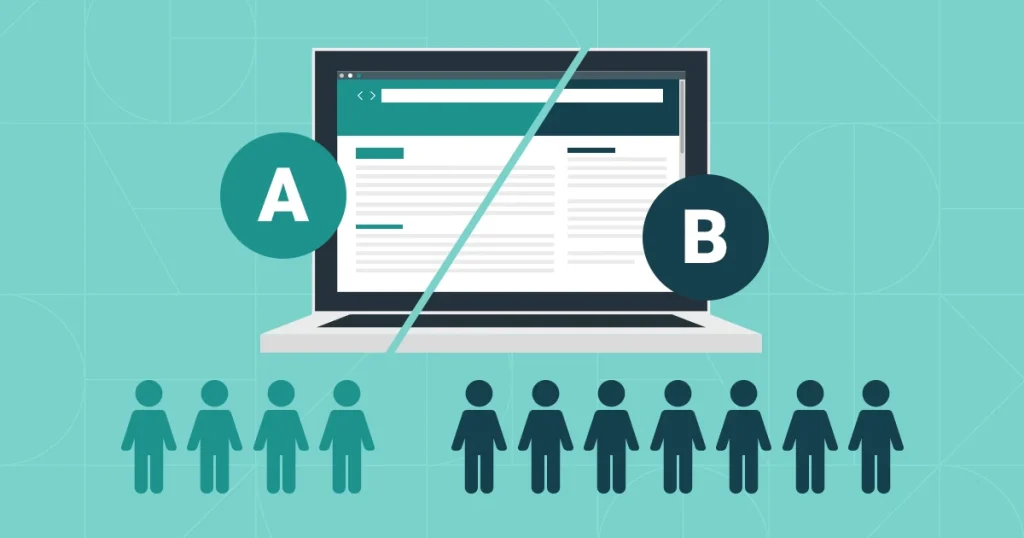
Pricing models include retainers (AUD $5,000–$10,000/month for mid-tier), project-based, or performance-based fees. Demand transparency—no hidden costs for tools like A/B testing. ROI projections are critical: Expect forecasts like Customer Acquisition Cost under AUD 50 for e-commerce, tracked via shared dashboards (e.g., Google Data Studio). netStripes tailors pricing to deliver sustainable ROI, aligning with Australian market benchmarks.

6. Prioritise Communication and Cultural Alignment

Effective collaboration hinges on communication. In Australia’s time zones, agencies should offer responsive channels like Slack or Zoom, with weekly check-ins. Test responsiveness with pre-RFP queries. Reports should be clear—monthly PDFs with visuals on traffic sources and actionable insights, not raw data.

Cultural fit is vital. Do they understand Australian consumer behaviour, like humour in social copy or local slang? netStripes’ Australian-based team ensures campaigns resonate, whether crafting playful retail ads or professional B2B content. Hybrid collaboration (virtual and in-person) fosters stronger partnerships post-COVID.

7. Spot Red Flags

Avoid agencies promising “guaranteed #1 Google rankings” (impossible due to algorithm complexity) or lacking clear contracts with exit clauses. High turnover in reviews suggests instability, and no local case studies signal inexperience. Non-compliance with ACCC advertising guidelines is a deal-breaker. netStripes stands out with transparent processes and proven Australian results.

Conclusion: Partner with netStripes for Australian Success

Choosing a digital marketing agency in Australia demands a strategic approach—defining goals, evaluating local expertise, and ensuring cultural alignment. By following this guide, you’ll avoid pitfalls and find a partner that drives growth in Australia’s competitive digital landscape.

netStripes, a leading Australian digital marketing agency, has over a decade of experience empowering businesses to thrive. From boosting e-commerce conversions to amplifying brand reach, our data-driven strategies comply with local regulations and deliver measurable ROI. Whether you’re targeting urban professionals or regional markets, netStripes crafts tailored campaigns that resonate with Australian audiences. Ready to elevate your digital presence? Visit netstripes.com.au to unlock your business’s potential today.


E-Commerce Digital Marketing Strategy Guide

The marketing landscape has undergone a profound transformation. No longer confined to traditional mediums like television commercials or roadside billboards, businesses are now thriving in the digital realm. At netStripes, we believe a robust online presence is non-negotiable for any e-commerce venture aiming for long-term success. If your business isn’t leveraging digital channels, you’re leaving substantial revenue on the table.

Digital marketing encompasses a diverse range of tactics, including social media engagement, email campaigns, and search engine optimisation (SEO). Complementary approaches such as pay-per-click (PPC) advertising, content marketing, influencer collaborations, and affiliate programs further amplify your reach. For e-commerce businesses, the challenge lies in selecting the right mix of strategies that align with your goals. It can feel overwhelming at first, but with a structured plan, you can navigate this terrain effectively.

Why Every E-Commerce Business Needs a Solid Digital Marketing Strategy

Smart Insights reveal a startling reality: nearly half of all brands operate without a defined digital marketing strategy, and a significant portion fail to integrate it into their overall marketing efforts. This lack of direction makes it difficult to measure success, iterate on failures, and scale operations. At netStripes, we’ve seen firsthand how a well-crafted strategy can turn underperforming online stores into revenue powerhouses.

Unlike traditional marketing, which often relies on broad, one-size-fits-all messaging, digital marketing demands precision. Today’s consumers are informed, selective, and expect personalised experiences. They research products online, read reviews, and compare prices before making a purchase. A strategic digital approach allows you to target these savvy shoppers cost-effectively, driving traffic, conversions, and loyalty.

Whether you’re a startup launching your first online store or an established retailer looking to expand, partnering with a digital expert like netStripes can provide the guidance you need. But if you’re ready to dive in yourself, follow this comprehensive guide to crafting your e-commerce digital marketing strategy.

Step-by-Step Guide to Crafting Your E-Commerce Digital Marketing Strategy

Building an effective strategy requires a methodical approach. Here at netStripes, we recommend these seven key steps to ensure your efforts are targeted, measurable, and scalable:

  1. Define Your Business Goals and Objectives
  2. Develop Detailed Buyer Personas
  3. Identify Your Audience’s Online Hangouts
  4. Audit Your Current Digital Channels
  5. Leverage Automation and Personalisation Tools
  6. Prioritise Mobile Optimisation
  7. Monitor, Measure, and Iterate

Let’s explore each step in detail.

1. Define Your Business Goals and Objectives

The foundation of any successful strategy is clarity on what you aim to achieve. Without specific goals, your marketing efforts can become scattered and ineffective. We advocate using the SMART criteria—Specific, Measurable, Achievable, Relevant, and Time-bound—to set benchmarks that guide your actions.

For an e-commerce business, goals might include boosting sales, expanding your customer base, or improving brand awareness. Consider these examples:

  • Increase overall website conversions by 25% within the next quarter through targeted email campaigns.
  • Roll out three new product promotions by the end of the year, including a limited-time discount and a bundle offer.
  • Grow your email subscriber list to 15,000 and achieve 50,000 monthly unique visitors by optimising SEO and content.

By setting these goals, you create a roadmap. Track progress using tools like Google Analytics or e-commerce platforms such as Shopify’s built-in dashboards. Regularly review and adjust to stay on course. At netStripes, our clients often see a 30-50% uplift in key metrics after implementing SMART goals.

2. Develop Detailed Buyer Personas

Knowing your audience is paramount in e-commerce. Buyer personas are semi-fictional representations of your ideal customers, built from data and insights. Use tools like Google Analytics, Facebook Insights, or customer surveys to gather information on demographics, behaviours, and preferences.

A well-rounded persona might look like this:

  • Alexandra, 28-35 years old: A working professional with a young family, residing in urban areas. She shops online for convenience, prioritises eco-friendly products, and is influenced by social proof like user reviews. Her pain points include time constraints and budget limitations, while her aspirations involve sustainable living and family wellness.

Key questions to ask when building personas:

  • What challenges does your product solve for them?
  • What are their online shopping habits, preferred payment methods, and deal-breakers?
  • Who are their influencers—friends, bloggers, or celebrities?

Incorporate psychographics, such as values and lifestyle, to make personas more actionable. For instance, if your e-commerce store sells fitness gear, target personas who frequent health forums or follow wellness influencers on Instagram. This level of detail ensures your marketing resonates, leading to higher engagement rates.

3. Identify Your Audience’s Online Hangouts

Once you know who your customers are, pinpoint where they spend their time digitally. This step involves analysing data to determine the most effective channels for reaching them.

For example:

  • If you’re in the fashion industry, platforms like Instagram and Pinterest are goldmines for visual discovery.
  • B2B e-commerce might thrive on LinkedIn for professional networking.
  • Search engines like Google are crucial for intent-based queries, such as “best wireless earbuds under $100.”

Use analytics to track referral sources. If a significant portion of your traffic comes from TikTok, invest in short-form video content. For immediate needs, like emergency purchases, PPC ads on Google can capture high-intent users. Budget-conscious shoppers might respond well to targeted Facebook ads highlighting flash sales.

At netStripes, we help clients map these touchpoints, often uncovering untapped opportunities like Reddit communities or niche forums that drive qualified traffic.

4. Audit Your Current Digital Channels

Before expanding, evaluate what’s already in place. Conduct a thorough audit of your website, social media profiles, email lists, and ad campaigns. Identify strengths, weaknesses, and gaps.

Ask:

  • Is your website user-friendly, with fast load times and intuitive navigation?
  • Which social channels generate the most engagement and sales?
  • Are your PPC campaigns yielding a positive ROI?

For instance, if your site attracts only 200 monthly visitors but your goal is 2,000, consider revamping your blog with SEO-optimised content or improving product pages with high-quality images and videos. Tools like SEMrush or Ahrefs can provide insights into performance metrics. Discontinue underperforming channels to reallocate resources effectively.

This audit phase is where many e-commerce businesses falter, but it’s essential for optimisation. netStripes’ audits have helped clients double their traffic by focusing on high-impact areas.

5. Leverage Automation and Personalization Tools

In the competitive e-commerce space, personalisation is a game-changer. Automation tools allow you to deliver tailored experiences at scale. Segment your audience based on past behaviors—such as abandoned carts or browsing history—and send personalised emails via platforms like Mailchimp or Klaviyo.

Retargeting ads on Facebook or Google can remind users of viewed products, increasing conversion rates by up to 70%. Implement chatbots for real-time customer support and dynamic pricing for personalised offers.

Benefits include:

  • Improved customer satisfaction through relevant recommendations.
  • Higher retention rates with loyalty programs automated via CRM systems.
  • Efficient resource use, freeing your team for strategic tasks.

Start small: Automate welcome emails for new subscribers, then scale to complex funnels. netStripes specialises in integrating these tools seamlessly into your strategy.

6. Prioritise Mobile Optimization

With mobile devices accounting for over 55% of global web traffic, ignoring mobile is a costly mistake. Ensure your e-commerce site is responsive, adapting to screens of all sizes, including tablets and wearables.

Key mobile best practices:

  • Compress images for faster loading (aim for under 3 seconds).
  • Use large, tappable buttons and readable fonts.
  • Implement mobile-specific SEO, like voice search optimisation.
  • Test email campaigns on mobile to avoid formatting issues.

Google’s mobile-first indexing means non-optimised sites rank lower. Tools like Google’s Mobile-Friendly Test can highlight improvements. At netStripes, we’ve optimised sites that saw a 40% increase in mobile conversions post-implementation.

7. Monitor, Measure, and Iterate

A strategy isn’t set in stone. Use KPIs like conversion rate, customer acquisition cost (CAC), and return on ad spend (ROAS) to track performance. Tools such as Google Analytics, Hotjar for heatmaps, and A/B testing platforms help refine tactics.

Schedule monthly reviews to celebrate wins and address shortfalls. For example, if email open rates drop, experiment with subject lines. This iterative approach ensures sustained growth.

Additional Tips for E-Commerce Success

Highlight Your Unique Value Proposition (UVP): What makes your store stand out? Whether it’s free shipping, exclusive products, or exceptional customer service, weave your UVP into all marketing materials. Think of Amazon’s Prime delivery—it’s a differentiator that builds loyalty.

Invest in Content Marketing and Blogging: Create valuable content like how-to guides, product reviews, and industry insights. This boosts SEO, positions you as an expert, and nurtures leads. Aim for consistent posting, optimised with keywords like “e-commerce digital marketing strategy.”

Prepare for Scalability: As leads pour in, ensure your operations can handle the influx. Train staff, integrate inventory management software, or outsource fulfillment to avoid bottlenecks.

Explore Emerging Trends: Stay ahead with tactics like AI-driven recommendations, AR try-ons for products, or social commerce integrations on platforms like Instagram Shopping.

Wrapping Up: Take Action Today

Crafting an e-commerce digital marketing strategy is an ongoing journey that demands commitment and adaptability. Start with these steps, create a content calendar, budget wisely, and monitor results diligently. If it feels daunting, netStripes is here to help. As Australia’s leading digital specialist for SMEs, we offer tailored solutions to elevate your online presence and drive revenue growth.

How Much Do Google Ads Cost in Australia in 2025?

Aussie businesses are relying on Google Ads to drive traffic, generate leads, and boost sales. But one question keeps popping up for marketers and business owners: how much do Google Ads cost? The answer isn’t simple. Google Ads operates on a dynamic, auction-based system, where costs fluctuate based on competition, strategy, and targeting. For Australian companies, understanding the intricacies of Google Ads costs is crucial in competitive markets.

This guide dives into the Google Ads cost landscape for 2025, tailored specifically for Australia. We’ll break down the pricing model, key factors affecting costs, average benchmarks, campaign breakdowns, budgeting tips, and optimisation strategies. Whether you’re a small e-commerce shop or a B2B service provider, this knowledge will help you allocate your marketing budget more effectively. By the end, you’ll have a clear roadmap to make Google Ads work harder for your bottom line.

Understanding the Google Ads Pricing Model

Google Ads cost

Google Ads isn’t about fixed prices; it’s an auction system built to reward relevance and performance. Every time someone searches on Google, an auction happens in milliseconds to decide which ads show up—and at what Google Ads cost. Advertisers bid on keywords, but you only pay when someone interacts with your ad, usually via a click (Cost Per Click or CPC).

There are several campaign types, each with its own billing method:

  • Search Ads: Text ads appearing above organic results. Billed on CPC, perfect for intent-driven queries.
  • Display Ads: Visual banners on the Google Display Network (millions of websites). Often uses Cost Per Mille (CPM) for impressions or CPC.
  • Video Ads: On YouTube, billed via views (CPV) or CPC.
  • Shopping Ads: Product listings for e-commerce, CPC-based.
  • Performance Max: AI-driven campaigns across all Google channels, optimising for conversions.

Bidding strategies shape Google Ads cost. Manual bidding lets you set exact amounts per click, while Smart Bidding (powered by Google’s AI) adjusts bids based on factors like device, location, and time of day. For Aussie advertisers, Smart Bidding is a ripper, factoring in local nuances like peak shopping hours during EOFY sales.

Billing happens post-auction: Google charges your linked payment method daily or monthly, with no upfront fees beyond your set budget. You control spending through daily budgets—say, $50 AUD per day caps monthly spend at about $1,500. This flexibility makes Google Ads scalable for Aussie SMEs, but without a solid strategy, costs can blow out.

In 2025, Google’s focus on privacy (post-cookie era) and AI enhancements like Performance Max has refined the model, making it more efficient but still variable. Getting your head around this foundation is key to understanding Google Ads cost.

Factors Influencing Google Ads Cost in Australia

No two Google Ads cost scenarios are the same, thanks to a range of variables. For Australian businesses, local competition in sectors like retail and finance can push prices higher than global averages. Here’s a rundown of the top factors:

1. Industry Competition:

High-stakes sectors like legal services or insurance face fierce bidding wars. In Australia CPCs can top $10 AUD due to limited ad space and high ROI potential.

2. Keyword Relevance and Competition:

Broad terms like “shoes” cost less than long-tail specifics like “running shoes for flat feet Brisbane” (lower competition, higher intent). Tools like Google Keyword Planner help gauge this—aim for a mix to balance Google Ads cost and quality traffic.

3. Quality Score:

Google’s 1-10 rating (based on ad relevance, landing page experience, and expected CTR) directly impacts costs. A score of 7+ can cut CPC by 50% through better ad positions. For Aussies, optimising for mobile (80% of searches) boosts this score.

4. Geographic Targeting:

Costs vary by location. Targeting affluent areas like Sydney’s CBD ramps up bids due to higher consumer value, while regional spots like Darwin might be 20-30% cheaper. In 2025, hyper-local targeting via Google My Business integration sharpens this further.

5. Bidding Strategy and Ad Scheduling:

Automated bidding optimises for conversions, but aggressive strategies during peak times (e.g., evenings in AEST) raise costs. Scheduling ads for business hours can trim unnecessary spend.

6. Device and Ad Format:

Mobile clicks often cost more in Australia (due to on-the-go searches), while video views are cheaper. Seasonal trends, like Black Friday surges, also spike Google Ads cost.

7. Market Trends and Seasonality:

With Australia’s e-commerce boom (projected 15% growth in 2025), retail CPCs are climbing. Economic factors, like inflation, indirectly affect advertiser budgets and competition.

By auditing these, businesses can predict and control Google Ads cost. For example, a quick competitor analysis via SEMrush can reveal if your bids are over the odds.

Average Google Ads Costs in Australia for 2025

Google Ads Cost
Website Development

So, what’s the rough figure for Google Ads cost in Australia? As a top google ads agency in Australia as per our research the Google ads costs Based on 2025 benchmarks from industry reports, the average CPC for Search Ads sits between $2-4 AUD across most sectors. Display Ads are much cheaper at $0.50-1 AUD per click, while Video Ads average $0.10-0.30 AUD per view.

Breaking it down by industry (netStripes Research):

  • Retail/E-commerce: $1.50-3 AUD CPC. High volume, low competition for niche products.
  • Finance/Insurance: $4-8 AUD. Fierce competition for terms like “home loans Perth.”
  • Legal Services: $6-15 AUD. Top-end due to high lead value.
  • Healthcare: $3-6 AUD. Regulated but competitive for “dentist near me.”
  • Real Estate: $2-5 AUD. Location-specific spikes in hot markets like Brisbane.
  • Automotive: $2-4 AUD. Seasonal boosts during new model releases.

Cost Per Acquisition (CPA) averages $50-100 AUD for leads, with conversion rates at 4-8%. For small businesses, a $1,000 monthly budget might deliver 200-400 clicks, depending on optimisation.

These numbers reflect a 10-15% increase from 2024, driven by AI tools boosting ad efficiency and post-pandemic digital shifts. Keep in mind, Google Ads cost is fluid—check the Google Ads dashboard for real-time insights.

Cost Breakdown by Campaign Types

Diving deeper, Google Ads cost varies heaps by format. Search campaigns dominate Aussie budgets (60% allocation), with CPCs as noted. Display, at 20% of spend, offers broad reach but lower conversion (1-2% CTR), keeping costs down.

Performance Max campaigns, blending all types, average $2.50 CPC but shine in ROAS (Return on Ad Spend) at 4:1 for well-optimised setups. Shopping Ads for e-tailers hit $1-2.50 CPC, with visual appeal driving 20% higher clicks.

Hidden costs? No direct fees, but agency management (5-15% of spend) or tools like Google Analytics add-ons can add up. For Australian businesses, GST (10%) applies to ad spend over $75K annually, nudging effective Google Ads cost higher for big players.

Tips to Optimise and Reduce Google Ads Cost

Mastering Google Ads cost means getting proactive. Start with negative keywords to filter out irrelevant traffic, potentially cutting waste by 20%. Use ad extensions (sitelinks, callouts) for 15% CTR boosts without extra bids.

A/B test creatives weekly—high performers lower effective CPC via Quality Score gains. Tap into audience targeting for remarketing, which drops costs 30-50% as these users convert better.

Link up Google Analytics for conversion tracking; aim for a 5%+ rate to justify spend. Finally, quarterly audits ensure bids align with ROI—tools like Google Ads Editor make this a breeze.

For SMEs, starting small ($500-2,000/month) scales safely, focusing on high-intent keywords.

Conclusion: Maximise Your Google Ads Investment with netStripes

Navigating Google Ads cost in Australia for 2025 takes strategy, not guesswork. From auction dynamics to industry benchmarks, the key is that costs are manageable with the right approach. Whether your average CPC lands at $2 or $10, the real metric is ROI—turning clicks into customers.

That’s where netStripes steps in. As a top-tier Google Ads agency in Australia, netStripes specialises in crafting tailored campaigns that keep Google Ads costs down while maximising results. Our team of certified experts handles everything from keyword research and bid optimisation to A/B testing and performance reporting, helping businesses in retail, finance, and more achieve 3-5x ROAS. We’ve helped hundreds of Aussie brands scale smartly, whether you’re a startup in Hobart or an enterprise on the Gold Coast.

Ready to sort out your Google Ads cost and turbocharge growth? Contact netStripes today for a free audit, and let’s turn your ad spend into sustainable success.

Digital Marketing Strategy for Australian Businesses in 2025

In the fast-paced world of Australian business, a robust digital marketing strategy is no longer a luxury—it’s an essential tool for survival and growth. As we step into 2025, the digital space continues to evolve, driven by advancements in technology, shifting consumer behaviours, and economic pressures unique to our market. At netStripes, we’ve been at the forefront of helping small and medium-sized enterprises (SMEs) navigate this terrain for over a decade. Our approach combines smart strategy, killer websites, and proven digital marketing to transform goals into achievements. This guide explores the creation of an effective digital marketing strategy specifically designed for Australian businesses, leveraging our expertise in digital transformation.

Whether you’re a retailer or a service provider or a startup, understanding and implementing a comprehensive digital marketing strategy can propel your brand forward. We’ll explore key components, emerging trends, and practical steps to ensure your business thrives in 2025 and beyond.

What is a Digital Marketing Strategy?

Digital Marketing Strategy

At its core, a digital marketing strategy is a blueprint that outlines how your business will leverage online channels to achieve its objectives. It’s not just about posting on social media or running ads; it’s a holistic plan that integrates strategy, branding, website design, promotion, and ongoing support. In Australia, where digital adoption is high, with over 90% of the population online, a well-crafted strategy can mean the difference between blending in and standing out.

From our perspective at netStripes, a strong digital marketing strategy begins with goal setting. What do you want to achieve? Increased leads, higher sales, or greater brand awareness? We refine and craft this strategy to align with your business model, ensuring it’s realistic and measurable. Key elements include:

  • Audience Targeting: Identifying your ideal customers based on demographics, behaviours, and location. In Australia, this might involve focusing on urban millennials in capital cities or regional baby boomers.
  • Channel Selection: Choosing the right platforms, from Google Ads and SEO to social media like Facebook, Instagram, and LinkedIn.
  • Content Creation: Developing high-value content that resonates, such as blogs, videos, and eBooks.
  • Measurement and Optimisation: Using data to track performance and make continuous improvements.

Without this foundation, even the flashiest campaigns can fall flat. We’ve seen countless SMEs waste resources on disjointed efforts; a unified strategy ensures every dollar spent contributes to growth.

Emerging Trends Shaping Digital Marketing in Australia for 2025

Digital Marketing Strategy

As we look ahead to 2025, several trends are set to dominate the Australian digital marketing scene. Economic uncertainties, such as inflation and supply chain issues, are pushing businesses to be more efficient. Meanwhile, technologies like AI, voice search, and augmented reality are opening new avenues.

One major trend is the rise of personalised marketing. Australian consumers expect tailored experiences. Think targeted ads based on browsing history or location-specific offers. At NetStripes, we incorporate retargeting ads into our strategies to re-engage potential customers, boosting conversion rates by up to 70% in some cases.

Sustainability is another hot topic. With Australians increasingly eco-conscious, brands that highlight green practices in their digital marketing strategy gain a competitive edge. Integrate this into your online branding to build trust.

Voice search optimisation is crucial too. With smart speakers in one in four Australian homes, optimising for conversational queries is a must. SEO strategies must evolve beyond keywords to focus on natural language.

Social commerce is booming, especially on platforms like Instagram and TikTok. Australian e-commerce sales are projected to hit $80 billion by 2025, driven by shoppable posts and influencer partnerships. A digital marketing strategy that ignores this misses out on direct sales opportunities.

Finally, data privacy regulations like the Australian Privacy Principles demand compliance. Transparent data handling in your strategy not only avoids fines but also fosters customer loyalty.

Crafting a High-Impact Website: The Heart of Your Digital Marketing Strategy

Your website is the digital storefront of your business—it’s where strategy meets execution. In 2025, Australian users expect fast-loading, mobile-optimised sites with intuitive navigation. A poorly designed site can lead to high bounce rates, undermining your entire digital marketing strategy.

At NetStripes, we specialise in high-impact websites that embody your brand’s strategy. Our process starts with refining your business model, then crafting an online presence that builds trust and credibility. Features like responsive design, secure e-commerce integration, and SEO-friendly architecture are non-negotiable.

Consider this: 85% of Australians research online before purchasing. A custom-built site, unlike DIY platforms such as Wix or Squarespace, allows for bespoke elements that align with big-brand standards. We’ve helped over 10,000 businesses create sites that compete with larger rivals on even terms.

Incorporate elements like compelling calls-to-action, high-quality imagery, and integrated chatbots for real-time engagement. Security is paramount too—cyber threats are rising, so including robust protections ensures peace of mind.

A website isn’t static; it’s a living part of your digital marketing strategy. Regular updates, A/B testing, and analytics integration keep it performing optimally.

Promoting Your Business: Ads, SEO, and Social Media Mastery

Digital Marketing Strategy

Promotion is where your digital marketing strategy comes alive. In Australia, where digital ad spend is expected to exceed $15 billion in 2025 (AD News), smart allocation is key.

Start with SEO—optimising your site and content for search engines like Google. Focus on local SEO for Australian-specific searches, using tools like Google My Business. Long-tail keywords, such as “digital marketing strategy for Sydney SMEs,” drive targeted traffic.

Paid ads amplify this. Google Ads target high-intent searches, while social platforms like Facebook and Instagram allow precise audience segmentation. LinkedIn is ideal for B2B strategies, connecting with professionals across Australia.

Retargeting keeps your brand top-of-mind. If a user visits your site but doesn’t convert, follow-up ads can increase conversions significantly.

Content marketing ties it all together. Blogs, videos, and eBooks position you as an authority. At NetStripes, we produce resources like “The Small Business Digital Engagement Manifesto” to inspire growth.

A data-driven approach ensures continuous improvement. Track metrics like click-through rates, conversion rates, and ROI using tools like Google Analytics. Monthly reviews allow for agile adjustments, saving time and money.

Supporting SMEs: Making Digital Marketing Accessible and Effective

Australian SMEs face unique challenges—limited budgets, time constraints, and competition from big players. A tailored digital marketing strategy addresses these head-on.

Cost-effectiveness is crucial. Our solutions at NetStripes provide big-business quality at SME prices, from strategy refinement to full implementation. No more piecing together freelancers or DIY tools; a holistic system handles everything.

Time efficiency is another benefit. By outsourcing to experts, business owners become time-rich, focusing on core operations while we manage ads, SEO, and support.

Expert support includes website cybersecurity and tech assistance, ensuring reliability. We’ve supported over 7,000 SMEs with this model, driving measurable results like increased leads and sales.

Compare this to alternatives: Freelancers offer piecemeal services, lacking integration. DIY sites are cheap but lack professionalism. netStripes delivers a complete solution—from goal setting to achievement.

Measuring Success and Adapting for the Future

Digital Marketing Strategy

No digital marketing strategy is complete without measurement. In 2025, AI-powered analytics will provide deeper insights, predicting trends and automating optimisations.

Key performance indicators (KPIs) include website traffic, engagement rates, and customer acquisition costs. Tools like Google Analytics and social insights dashboards make tracking straightforward.

Adaptation is key. Australian markets can shift quickly—think post-pandemic consumer habits. Regular audits ensure your strategy remains relevant.

Incorporate feedback loops: Customer surveys and A/B testing refine approaches. A flexible strategy positions your business for long-term success.

Conclusion: Partner with NetStripes for Your Digital Marketing Success

As we’ve explored in this guide, a comprehensive digital marketing strategy is vital for Australian businesses in 2025. From refining your goals and building a high-impact website to leveraging ads, SEO, and data-driven promotions, the growth path is clear but requires expertise.

At NetStripes, we help businesses build their digital marketing strategy to grow their business effectively. With our complete solution—encompassing digital strategy, online branding, promotion, and support—we’ve empowered over 10,000 SMEs to achieve world-class results affordably. Whether you’re looking to strengthen your brand, generate leads, or drive sales, our team of experts is here to guide you from goal setting to goal achievement.

Ready to transform your business? Take the first step with our free assessment tool at netstripes.com and receive an instant report. Let’s craft a digital marketing strategy that fuels your growth in 2025 and beyond.