AI Automation with Openclaw: The Complete Business Owner’s Guide

How ambitious SMEs can turn AI into a reliable growth engine

Executive summary — why you should read this

Every week I speak with business owners who feel overwhelmed by the growing list of tools, platforms, and tasks required just to keep their business running. Emails, enquiries, proposals, follow-ups, onboarding, reporting, internal coordination — the list never ends.

Most businesses are not short of ideas. They are short of time, capacity, and consistency.

This is where AI automation platforms like Openclaw are becoming transformational.

But here is the reality I see every day:
Many businesses try automation, set up a few workflows, and quietly abandon it within months. Not because the technology doesn’t work — but because the strategy behind it was missing.

This guide is different.

We are going to combine:

  • A practical step-by-step understanding of Openclaw
  • The real business strategy needed to make automation succeed
  • The governance, adoption, and ROI frameworks most guides ignore
  • Clear, actionable pro tips you can implement immediately

If you are an ambitious business owner who wants to build a reliable growth engine, this article will show you how AI automation can become one of the most valuable team members you will ever hire.

The reality facing modern SMEs

openclaw

Small and mid-sized businesses are expected to operate like large enterprises — but with a fraction of the resources.

You must:

  • Respond to enquiries instantly
  • Deliver excellent customer experience
  • Maintain marketing momentum
  • Keep operations efficient
  • Support your team
  • And still grow revenue

This pressure is not slowing down. It is accelerating.

Openclaw AI automation is no longer a “nice to have”. It is quickly becoming a competitive advantage.

Businesses that adopt it strategically will move faster, respond quicker, and scale more efficiently than competitors who rely solely on manual processes.

What Openclaw actually is — in simple terms
open claw

Think of Openclaw as a 24/7 digital operations assistant.

It connects your tools, listens for triggers, and performs tasks automatically.

It can:

  • Monitor emails, forms, and customer interactions
  • Update your CRM
  • Send responses and notifications
  • Create tasks and workflows
  • Generate reports
  • Route enquiries to the right people

In practical terms, it removes repetitive work from your team so they can focus on higher-value activities.

Many businesses save 10–20 hours per week once automation is implemented properly.

Before you start: the most important mindset shift

The biggest mistake businesses make is this:

They think automation is about technology.

It is not.

Openclaw automation is about business outcomes.

Technology is simply the tool.

Before touching any platform, we must answer one question:

What business problems are we trying to solve?

Step 1 — Define your automation success metrics

If you skip this step, automation will fail.

Before setting up Openclaw, define success clearly.

Your automation success framework

Choose metrics in three categories:

1) Efficiency metrics

  • Hours saved per week
  • Tasks automated per month
  • Reduction in manual work

2) Revenue metrics

  • Lead response speed
  • Conversion rate improvements
  • Sales cycle reduction

3) Customer experience metrics

  • Response time
  • Consistency of communication
  • Customer satisfaction

Pro tip

Start with a simple target:
Save 10 hours per week within 90 days.

This is achievable and measurable.

Step 2 — Choose high-ROI automation first
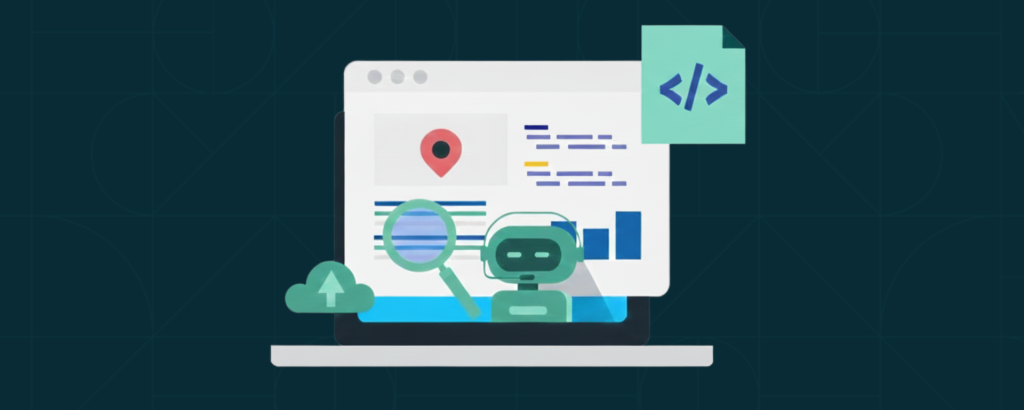
openclaw

Do not automate everything.

Start with high-impact workflows.

The top 5 automations every SME should start with

1) Lead capture and routing

When a website enquiry arrives:

  • Capture details
  • Send confirmation email
  • Add to CRM
  • Assign to salesperson
  • Create follow-up task

Instant response dramatically increases conversions.

2) Sales follow-up sequences

Most leads are lost due to slow or inconsistent follow-up.

Openclaw Automation can:

  • Send follow-up emails
  • Schedule reminders
  • Track responses

3) Customer onboarding

New clients need:

  • Welcome emails
  • Information requests
  • Task creation
  • Internal notifications

Automation ensures a professional, consistent experience.

4) Internal reporting

Weekly reports often consume hours.

Automation can:

  • Collect data
  • Generate summaries
  • Send dashboards to leadership.

5) Appointment and meeting workflows

Openclaw Automate confirmations, reminders, and follow-ups.

This reduces no-shows and improves customer experience.

Step 3 — Setting up Openclaw

openclaw

The technical setup is straightforward.

You will need:

  • A professional email account
  • Admin access to tools you want to connect
  • Basic understanding of workflows
  • About 30–60 minutes for initial setup

Account creation

  • Register your account
  • Verify email and enable security
  • Choose your plan
  • Complete your profile

Configure your AI assistant

Define:

  • Name and personality
  • Tone and language
  • Permissions and access levels

Pro tip

Start with restrictive permissions and expand gradually.

Step 4 — Integrate your business tools
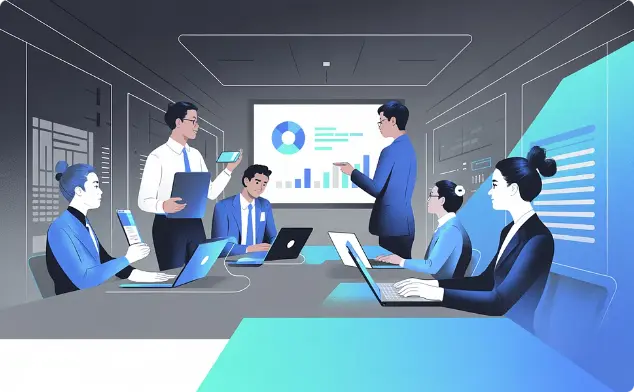
openclaw

The power of Openclaw comes from integration.

Common integrations include:

  • Google Workspace
  • Slack or Teams
  • CRM platforms
  • Marketing tools
  • Calendar systems
  • Zapier and APIs

The goal is to create a single automation layer across your tech stack.

Step 5 — Build your first workflows

Automation works through triggers and actions.

Examples of triggers:

  • New email received
  • Form submission
  • Calendar booking
  • CRM update

Examples of actions:

  • Send notification
  • Create task
  • Update database
  • Send email response

Pro tip

Start with simple workflows and expand gradually.

The part most guides ignore: team adoption

Technology does not fail.
Adoption fails.

Your team must understand:

  • Why automation is being introduced
  • How it helps them
  • What tasks it will support

Internal launch strategy

  1. Announce the initiative clearly
  2. Explain the benefits
  3. Provide training
  4. Celebrate early wins

Position automation as a support tool, not a replacement.

Data privacy and security considerations

This is essential.

Before connecting systems, define:

  • What data can be accessed
  • Who has permission
  • How access is monitored

Establish:

  • Access controls
  • Audit trails
  • Permission reviews

This protects your business and your clients.

AI guardrails and risk management

openclaw

Openclaw AI must operate within clear boundaries.

Define:

  • When automation should escalate to humans
  • Approval processes for customer communications
  • Brand voice guidelines

Always include a human-in-the-loop for critical communication.

Your knowledge base strategy

AI is only as good as the knowledge it uses.

Prepare:

  • FAQs
  • Service descriptions
  • Processes
  • Templates
  • Documentation

Maintain and update this regularly.

This dramatically improves automation performance.

Measuring ROI and performance

Track Openclaw automation weekly and monthly.

Key metrics:

  • Hours saved
  • Tasks automated
  • Response time improvements
  • Conversion improvements
  • Cost savings

Pro tip

Create a simple automation dashboard and review monthly.

Your automation maturity roadmap

openclaw

Automation evolves over time.

Stage 1 — Starter

Basic workflows and quick wins.

Stage 2 — Operational

Cross-tool workflows.

Stage 3 — Scaled

Multi-department automation.

Stage 4 — Intelligent

AI insights and predictions.

Stage 5 — Autonomous

Advanced AI-driven operations.

Think long-term.

Department automation opportunities

Sales

  • Lead qualification
  • Follow-ups
  • Proposal generation

Marketing

  • Campaign reporting
  • Content workflows
  • Lead nurturing

Customer service

  • Enquiry routing
  • FAQ responses
  • Ticket creation

HR

  • Recruitment workflows
  • Onboarding processes

Finance

  • Invoice reminders
  • Reporting automation

Cost and ROI expectations

Most SMEs recover automation investment quickly.

Typical outcomes:

  • 10–20 hours saved weekly
  • Faster lead response
  • Improved customer experience
  • Reduced operational overhead

Automation often pays for itself within months.

Your first 90-day automation roadmap

Month 1

  • Define goals
  • Connect tools
  • Launch first workflows

Month 2

  • Expand automations
  • Train team
  • Track results

Month 3

  • Optimise workflows
  • Measure ROI
  • Plan next stage

Final thoughts

AI automation is not about replacing people.

It is about empowering your team to focus on meaningful work.

Businesses that adopt automation strategically will:

  • Move faster
  • Respond quicker
  • Scale more efficiently
  • Deliver better customer experiences

This is how you turn AI into a reliable growth engine.

Actionable pro tips recap

  1. Start with clear business goals.
  2. Automate high-ROI workflows first.
  3. Focus on team adoption.
  4. Protect data and set AI guardrails.
  5. Measure results and iterate.

If you have been considering automation, now is the time to start.

The businesses that act early will create a meaningful competitive advantage in the years ahead.
Custom Website Development Tips for Brisbane E-Commerce Stores

In Brisbane’s thriving retail scene, e-commerce stores are capitalising on Queensland’s growing online market. With Australia’s e-commerce sector expanding rapidly—projected to reach significant milestones by 2030 and mobile purchases dominating 70-80% of transactions—local businesses must invest in custom websites to stand out. Brisbane e-commerce players benefit from strong logistics, proximity to innovation hubs, and a consumer base that values fast delivery, local relevance, and seamless experiences. Custom development allows tailored solutions that off-the-shelf platforms often can’t match, enabling better personalisation, integrations, and performance. In 2026, Brisbane stores adopting custom approaches see higher conversions through AI features, mobile optimisation, and authentic branding that resonates with Queensland shoppers.

Brisbane’s E-Commerce Landscape in 2026

Brisbane’s e-commerce market thrives amid Australia’s broader growth, where online sales form a substantial share of retail. High disposable incomes in suburbs like the CBD, Fortitude Valley, and South Brisbane drive demand for personalised shopping. Trends show strong mobile commerce uptake, with 70-80% of purchases on phones, alongside rising expectations for instant or same-day delivery—boosted by trials in SEQ like drone services. Consumers prioritise sustainability, local products, and trust signals such as “made in Australia” or Brisbane-specific messaging. Competition from national players intensifies, but custom sites help local stores differentiate with geo-targeted features, faster load times, and integrations suited to Queensland’s supply chains. Those investing in custom development gain edges in personalisation and scalability.

Key Trends Driving Custom E-Commerce Development in 2026

e- commerce

Custom websites align with 2026’s top Australian e-commerce shifts.

  • Mobile-first and responsive design are essential, as most traffic comes from phones. Prioritise lightning-fast loading, intuitive touch navigation, and AMP-like performance.
  • AI Personalisation transforms experiences with dynamic recommendations, chatbots, and predictive search based on user behaviour.
  • Headless Commerce decouples frontend from backend for flexibility—ideal for custom UIs while using robust backends like Shopify or BigCommerce APIs.
  • Social Commerce Integration embeds shoppable posts from Instagram and TikTok directly.
  • Sustainability Features highlight eco-friendly products, carbon calculators, or local sourcing to appeal to conscious Brisbane buyers.
  • BNPL and Secure Payments with local options build trust.
  • Hyperlocal Elements include state-specific shipping, Brisbane weather-themed promotions, or suburb-targeted content.

These trends reward custom builds over templates, offering deeper control for Brisbane’s competitive market.

Core Tips for Custom Website Development

Focus on these elements for high-performing Brisbane e-commerce sites.

  • Choose the Right Tech Stack — Use headless setups with frameworks like Next.js or Gatsby for speed. Pair with platforms like Shopify Plus, WooCommerce, or BigCommerce for commerce logic, allowing full frontend customisation.
  • Prioritise User Experience (UX) — Implement streamlined navigation, high-quality images, zoom features, and quick-view options. Reduce friction with one-click checkout and guest options.
  • Incorporate AI and Automation — Add personalised product suggestions, abandoned cart recovery, and AI chat for queries.
  • Optimise for Speed and SEO — Use Core Web Vitals, image optimisation, and schema markup. Target local searches like “Brisbane online fashion” with geo-optimised content.
  • Ensure Mobile Optimisation — Test rigorously across devices; adopt progressive web app (PWA) features for app-like feel.
  • Build Strong Security and Compliance — Implement SSL, PCI-DSS compliance, GDPR-like privacy, and secure payments.
  • Integrate Local Logistics — Connect with Australia Post, Sendle, or local couriers for real-time tracking and Brisbane-fast delivery.
  • Focus on Accessibility and Inclusivity — Meet WCAG standards for broader reach.

Step-by-Step Guide to Custom Development

Extend A Home Website: Free Guide Page
  1. Define Goals and Audience — Research Brisbane demographics; set KPIs like conversion rate or AOV.
  2. Select Platform and Team — Choose headless-capable base; partner with experienced developers familiar with Australian e-commerce.
  3. Plan Architecture — Design scalable backend with APIs; map user journeys.
  4. Design and Prototype — Create wireframes emphasising mobile; incorporate brand elements like Queensland-inspired visuals.
  5. Develop Core Features — Build product catalogue, cart, checkout; add AI personalisation and integrations.
  6. Test Thoroughly — Conduct usability, speed, cross-browser, and security tests.
  7. Launch and Optimise — Go live; monitor analytics and iterate monthly.

Budget 10-15% of projected revenue initially, focusing on ROI drivers like speed and personalisation.

Overcoming Common Challenges

Brisbane stores often face high development costs or scope creep. Start with MVP focusing on core features, then scale. Partner with local agencies for cost-effective, market-savvy solutions. Address integration issues early with thorough planning.

Conclusion: Partner with Netstripes for Brisbane E-Commerce Success

2026 offers Brisbane e-commerce stores immense potential through custom websites that deliver personalised, fast, and locally relevant experiences. By embracing mobile-first design, AI, and headless architecture, you can outpace competitors and drive sustainable growth.

Netstripes, a leading Sydney-based digital marketing agency and web design company with expertise across Australia, specialises in custom e-commerce development tailored for businesses like yours. Offering high-impact website design, SEO, Google Ads, social media integration, and data-driven strategies, Netstripes helps refine your online model, create seamless stores, and achieve measurable results. Their approach supports Brisbane stores in competing effectively with hyper-local features and optimised performance.

Ready to build a custom e-commerce website that dominates in Brisbane? Contact us today for a complimentary consultation and launch your winning online presence in 2026.

The 2026 Digital Playbook for Sydney SMEs: Outpace Local Competitors and Grow

In Sydney small and medium-sized enterprises (SMEs) face intense local competition amid rising costs, regulatory changes, and evolving consumer expectations. As 2026 unfolds, digital transformation is no longer optional—it’s the key differentiator. Australian SMEs adopting AI-driven tools, hyper-personalisation, and data-led marketing are achieving stronger growth and customer loyalty. With Sydney’s tech-savvy market demanding seamless online experiences, a well-crafted digital strategy enables local businesses to capture more market share efficiently.

Sydney’s SME Landscape in 2026

Sydney SMEs, which form the backbone of New South Wales’ economy, contend with persistent challenges like inflation, labour shortages, and compliance pressures. Economic forecasts highlight wage growth supporting consumer spending, yet businesses must navigate supply chain disruptions and stricter regulations in retail and services.

Opportunities emerge from the city’s innovation ecosystem, including access to AI technologies and digital grants. Consumers in areas like the CBD, Eastern Suburbs, and Inner West increasingly expect personalised, mobile-first interactions. Over 70% of searches are mobile-driven, and AI adoption is accelerating, with many SMEs using tools for efficiency. Those prioritising digital strategies see higher visibility and conversions, turning local advantages into sustained leads.

Key Digital Trends Shaping 2026 for Sydney SMEs

Digital Trends 2026 What Every Small Business Owner Should Know

2026 brings transformative trends that Sydney SMEs must embrace to stay ahead.

1. AI Integration and Automation dominate, with generative AI enabling content creation, customer service chatbots, and predictive analytics. SMEs use AI for hyper-personalised campaigns, boosting engagement significantly.

2. Hyper-Personalisation is essential. Data analytics allow geo-targeted promotions for Sydney suburbs, from Bondi beachgoers to Parramatta professionals, improving conversion rates.

3. Short-Form Video and Social Commerce thrive on platforms like Instagram Reels and TikTok. Video content, expected to comprise most traffic, showcases authentic local stories effectively.

4. Answer Engine Optimisation (AEO) evolves SEO. Focus on being cited in AI overviews through structured data and authoritative content.

5. Omnichannel and Privacy-First Approaches build trust. Integrate online and in-store experiences while prioritising data security amid rising cyber threats.

6. Sustainability and Authentic Marketing resonate with eco-conscious Sydneysiders. Highlight green practices to differentiate your brand.

These trends, driven by AI and consumer shifts, reward agile SMEs over larger competitors.

Core Elements of a Winning Digital Strategy

Build a robust strategy around three pillars: clear planning, strong online presence, and targeted promotion.

1. Start with a digital maturity audit to assess your website, social channels, and analytics. Set SMART goals, such as increasing qualified leads by 30% in the next quarter.

2. Develop a refined business model aligned with digital goals. Craft high-impact websites that embody your brand, build trust, and convert visitors.

3. Leverage data-driven advertising including Google Ads, SEO, social media (Facebook, Instagram, LinkedIn), and retargeting. AI tools optimise campaigns for better ROI.

4. Incorporate cybersecurity and ongoing support to protect growth. Monthly metric reviews ensure continuous improvement.

Step-by-Step Guide to Implementation

Extend A Home Website: Free Guide Page
  1. Assess and Plan — Conduct a free audit using tools like Google Analytics. Identify gaps in mobile optimisation and local SEO.
  2. Define Your Audience — Create personas based on Sydney demographics. Target high-value suburbs with tailored messaging.
  3. Build Foundations — Launch or redesign a mobile-responsive website optimised for speed and conversions.
  4. Execute Channels — Roll out SEO for organic traffic, paid ads for quick wins, and social content for engagement.
  5. Integrate AI — Pilot tools for personalisation, automation, and analytics. Scale successful elements.
  6. Measure and Optimise — Track KPIs like cost per lead and ROI. Adjust monthly based on performance data.

Allocate 7-10% of revenue to digital efforts, focusing on high-ROI activities. Partner with experts for efficient execution.

Overcoming Common Barriers

Time-poor owners often delay digital adoption. Outsourcing to specialists addresses this, providing tailored, cost-effective solutions. Sydney’s ecosystem offers accessible support to implement hyper-local strategies that competitors miss.

Budget constraints are mitigated by starting small—focus on one channel, measure results, then expand.

Conclusion: Partner with Netstripes for Lasting Success

2026 presents Sydney SMEs with a clear choice: lead digitally or risk falling behind. By embracing AI, personalisation, and strategic execution, you can outpace local competitors, drive sustainable growth, and build resilience.

Netstripes, a leading Sydney-based digital marketing agency and web design company, specialises in helping SMEs like yours. With expertise in digital strategy advisory, high-impact website design, SEO, Google Ads, social media marketing, and data-driven advertising, Netstripes refines your business model, creates world-class online presence, and delivers measurable results. Their holistic approach empowers time-poor owners to compete effectively and achieve goals.

Would you be ready to craft your winning digital strategy? You can contact us today for a complimentary consultation and take the first step towards dominating your local market in 2026.

Best SEO Services for Small Businesses in Sydney 2026

Sydney’s small businesses face fierce local competition in 2026, from bustling CBD cafes to Inner West tradies and Eastern Suburbs professionals. With AI reshaping search—driving fewer clicks but higher-intent traffic—effective SEO remains essential for visibility, leads, and sustainable growth. Australian SMEs investing in smart SEO see strong ROI, often outpacing paid ads in long-term cost efficiency. In a market where over 70% of consumers start with local searches, tailored SEO services help Sydney small businesses dominate Google, Maps, and emerging AI overviews. The right partner delivers measurable results without breaking tight budgets.

Sydney’s Small Business SEO Landscape in 2026

seo services

Sydney SMEs navigate rising costs, regulatory shifts, and evolving consumer habits. Local searches dominate, with “near me” queries surging and AI assistants influencing recommendations. Trends like Answer Engine Optimisation (AEO), Generative Engine Optimisation (GEO), and entity-based search reward authoritative, helpful content over keyword stuffing.

Small businesses benefit from hyper-local focus—optimising for suburbs like Bondi, Parramatta, or North Sydney—while adapting to AI-driven results. Challenges include limited budgets and time, but opportunities abound: updated Google Business Profiles, strong E-E-A-T (Experience, Expertise, Authoritativeness, Trustworthiness), and voice/local search yield quick wins. Data shows top local pack rankings capture significant clicks, making specialised SEO crucial for outpacing competitors.

Key SEO Trends Shaping 2026 for Sydney Small Businesses

2026 SEO evolves beyond traditional rankings.

AI and AEO/GEO Dominance — Optimise for AI overviews and generative answers. Focus on being cited in zero-click results through structured data, schema markup, and brand mentions.

Local SEO Expansion — Beyond Google Business Profile: consistent NAP across directories, review management, and geo-targeted content for Sydney suburbs.

People-First Content — High-quality, original content with first-hand experience outperforms AI-generated material. Topic clusters around pillar pages build authority.

Technical Foundations — Core Web Vitals, mobile speed, crawlability, and accessibility remain non-negotiable for AI and user trust.

Voice and Personalised Search — Conversational queries and location-based intent require natural language optimisation.

Cross-Channel Visibility — Mentions, reviews, and PR citations boost entity signals for AI recommendations.

These shifts favour agile small businesses partnering with experts who deliver tailored, ethical strategies.

What to Look for in the Best SEO Services for Sydney SMEs

Top services prioritise transparency, results, and affordability.

Proven Local Expertise — Sydney-focused agencies understand suburb nuances and competition.

Custom Strategies — No one-size-fits-all: technical audits, on-page optimisation, content planning, link building, and local pack dominance.

Transparent Reporting — Monthly insights on rankings, traffic, leads, and ROI.

Ethical Practices — White-hat techniques avoiding penalties.

Budget-Friendly Packages — Entry-level from $1,000–$2,500/month for SMEs, scaling with growth.

AI-Ready Tactics — Tools for keyword forecasting, content optimisation, and AEO.

Look for agencies with strong reviews, case studies from similar businesses, and no lock-in contracts.

Step-by-Step Guide to Choosing and Implementing SEO Services

  1. Assess Needs — Audit your site for technical issues, Google Business Profile health, and current rankings. Set goals like 30% lead increase.
  2. Research Providers — Compare via Clutch, Semrush, or local directories. Prioritise Sydney-based with SME focus.
  3. Request Proposals — Seek free audits and clear plans. Ask about AEO strategies and local SEO tactics.
  4. Start Small — Begin with technical fixes and content optimisation for quick wins.
  5. Execute and Monitor — Launch on-page changes, build content clusters, manage reviews. Track via Google Analytics and Search Console.
  6. Optimise Continuously — Review monthly; adjust for algorithm updates and performance.

Allocate 8-12% of revenue initially, focusing on high-ROI areas like local SEO.

Overcoming Common Challenges for Sydney Small Businesses

Budget constraints? Opt for phased approaches starting with essentials. Time-poor? Choose agencies handling execution. Competition? Hyper-local content and reviews differentiate you.

Many SMEs succeed by partnering with specialists who deliver tailored plans without overwhelming costs.

Conclusion: Partner with Netstripes for Top-Tier SEO Results

In 2026, the best SEO services empower Sydney small businesses to thrive amid AI changes, securing visibility, trust, and growth. By focusing on local relevance, quality content, and emerging trends, you build lasting digital equity.

Netstripes, a leading Sydney-based digital marketing agency and web design company, excels in SEO tailored for SMEs. With expertise in local SEO, technical optimisation, content strategy, Google Ads integration, and data-driven approaches, Netstripes delivers transparent, results-focused services. Their team helps refine your online presence, target Sydney suburbs effectively, and adapt to 2026 trends like AEO and GEO for measurable leads and revenue.

Ready to elevate your SEO and outrank local competitors? Contact us today for a complimentary SEO audit and consultation—unlock your business’s full potential in Sydney’s competitive market.

How AI Overviews Are Impacting SEO in Australia 2026

In 2026, Australia’s search landscape has transformed dramatically with Google AI Overviews (formerly Search Generative Experience or SGE) firmly established. Rolled out nationwide since late 2024, AI Overviews now appear in a significant portion of queries—reaching up to 39% in Australian searches by mid-2025, far exceeding global averages. This generative AI feature synthesises information from multiple sources to deliver direct, comprehensive answers at the top of results, often reducing the need for clicks. For Australian businesses, from Sydney SMEs to Melbourne retailers and Brisbane service providers, this shift challenges traditional SEO while opening new paths to visibility through Answer Engine Optimization (AEO) and entity-based authority. Studies show AI Overviews correlate with a 34.5% drop in click-through rates (CTR) for top organic positions, with some sites experiencing 20-60% traffic declines. Yet, those adapting see sustained or improved brand exposure, especially in local and informational searches where 46% of Australian queries carry local intent.

Australia’s AI Search Landscape in 2026

Search Engine Optimisation Strategy

Australia leads global AI search adoption, with users averaging 1.42 AI queries per person. Google AI Overviews dominate, appearing in 39% of searches—nearly triple the global rate—thanks to aggressive rollout starting October 2024. Features like follow-up questions transitioning to conversational AI Mode (powered by Gemini) are expanding, with full integration expected mid-2026 in tier-1 markets like Australia.

This evolution accelerates zero-click searches, where users get answers without visiting sites. Gartner forecasts a 25% drop in traditional search volume by year-end 2026, as AI chatbots and agents gain ground. For local businesses, this means hyper-local queries (e.g., “best plumber in Parramatta”) increasingly resolve via AI summaries citing authoritative sources. Informational and educational queries face the heaviest impact, while transactional and local pack results remain more resilient. Australian consumers value quick, trusted answers, boosting satisfaction but pressuring organic traffic. Businesses not adapting face 37% visibility declines, while AI-optimised ones maintain relevance across Google, ChatGPT, Perplexity, and emerging tools.

Key Impacts of AI Overviews on SEO

AI Overviews reshape SEO fundamentals in Australia.

Reduced Organic CTR and Traffic — Presence of AI Overviews lowers CTR by 34.5% for position 1 results, with zero-click rates surging. High-funnel informational content suffers most, as answers appear directly.

Shift to Citation and Visibility — Ranking in traditional blue links matters less than being cited in AI summaries. AI pulls from top organic results (80%+ overlap with top 3 preview links), rewarding strong E-E-A-T (Experience, Expertise, Authoritativeness, Trustworthiness).

Rise of AEO and GEO — Answer Engine Optimization (AEO) focuses on direct answers in AI responses, while Generative Engine Optimization (GEO) targets broader LLM visibility. Techniques include structured data, schema markup, and conversational content.

Local SEO Evolution — With high local intent, optimise for geo-specific entities, consistent NAP, reviews, and suburb-level content to appear in AI recommendations.

Measurement Challenges — Traditional metrics like clicks falter; track AI citations, brand mentions across platforms, and assisted conversions.

Opportunities in Adaptation — AI traffic often converts better due to higher intent. Businesses embracing AEO see quicker wins, with technical tweaks yielding citations in 3-8 weeks.

These changes demand a hybrid approach: maintain core SEO while prioritising AI-friendly content.

Strategies to Adapt Your SEO for AI Overviews in 2026

To thrive, Australian businesses must evolve.

Build Topical Authority — Create deep, interconnected content clusters demonstrating expertise. Use semantic variety, related entities, and first-hand insights over keyword density.

Optimise for Direct Answers — Structure content with clear topic sentences, FAQ schema, tables, and bullet points. Answer queries upfront in the first paragraph for easy extraction.

Enhance Technical Foundations — Ensure fast loading (local CDNs for Australian speeds), mobile optimisation, Core Web Vitals, and comprehensive schema (FAQ, HowTo, LocalBusiness).

Strengthen E-E-A-T Signals — Showcase author bios, citations, reviews, and original research. Consistent brand mentions across web build entity trust for AI citations.

Diversify Visibility — Optimise for multi-platform: Google AI Overviews, ChatGPT, Perplexity. Use PR for earned mentions that AI cross-references.

Monitor and Iterate — Track AI visibility tools for citations. Run prompt tests and adjust based on performance.

Start with audits and phased implementation—focus on high-impact pages first.

Overcoming Challenges for Australian Businesses

Traffic drops concern many, but adaptation mitigates risks. Budget for AI-specific tactics (adding 20-25% to SEO costs). Time-poor owners benefit from specialists handling AEO. Competition intensifies, but hyper-local focus differentiates. Partnering with experts ensures ethical, effective strategies without penalties.

Conclusion: Partner with Netstripes to Navigate AI-Driven SEO

In 2026, AI Overviews redefined SEO in Australia, shifting from click-focused rankings to authoritative citations and multi-platform visibility. Embracing AEO, strong E-E-A-T, and structured content positions businesses to maintain relevance, capture intent, and drive growth amid zero-click realities.

Netstripes, a leading Sydney-based digital marketing agency and web design company serving businesses across Australia, specialises in future-proof SEO including AI Overviews optimisation, AEO strategies, local SEO, technical enhancements, content planning, and data-driven tracking. Their expertise helps SMEs adapt seamlessly, secure citations in AI results, and achieve measurable visibility and leads in this evolving landscape.

Ready to transform your SEO strategy for the AI era? Get your free AI Visibility Audit and a tailored 2026 roadmap Contact Netstripes today for a complimentary AI visibility audit and tailored strategy—stay ahead in Australia’s competitive search environment in 2026.

What Is Search Engine Optimisation (SEO)?

The Ultimate 2025 Guide for Australian Business Owners in Australia

If you’ve ever wondered why some Australian businesses show up on page 1 of Google while yours is nowhere to be seen—even though you have a better product or service—this guide is for you.

Search Engine Optimisation (SEO) is the reason.

In simple terms:

SEO is the art + science of getting your website to rank higher on Google (and Bing) so that your ideal customers find YOU instead of your competitors—without paying for ads.

Done right, SEO delivers the highest-ROI marketing channel most Australian businesses will ever have.

Here’s everything you need to know in 2025.

1. Why SEO Still Matters More Than Ever in Australia

  • 93% of all online experiences begin with a search engine
  • 75% of users never scroll past the first page of Google
  • Organic search drives 53% of all website traffic (BrightEdge 2025)
  • Australian consumers trust organic results 8.5× more than paid ads

In short: If you’re not visible on Google, you’re invisible to most of your potential customers.

2. How Google Actually Works (Simplified)

  • Crawling – Google’s bots discover your pages
  • Indexing – Google stores and analyses your content
  • Ranking – When someone searches, Google picks the 10 most relevant + trustworthy pages to show

SEO influences every single one of these steps.

3. The 4 Main Pillars of Modern SEO in 2025

Pillar 1: Technical SEO (The Foundation)

Everything must work perfectly behind the scenes)

  • Fast loading speed (Core Web Vitals)
  • Mobile-friendliness
  • Secure (HTTPS)
  • Proper site structure and XML sitemaps
  • No broken links or duplicate content
  • Correct use of schema markup

Google won’t rank a technically broken site—no matter how good the content is.

Pillar 2: On-Page SEO (What’s on the Page)
  • Keyword-optimised title tags and meta descriptions
  • Proper heading structure (H1, H2, H3)
  • Strategic keyword placement without stuffing
  • High-quality, helpful content that fully answers the searcher’s question
  • Internal linking
  • Optimised images (alt text, file names, WebP format)
Pillar 3: Content (The #1 Ranking Factor in 2025)

Google’s Helpful Content Update made this crystal clear:

→ Create content for humans, not for search engines.

Top-ranking pages in Australia now average 1,800–2,500 words of genuinely useful, up-to-date content.

Examples of content that wins in 2025:

  • Ultimate guides (“How to Choose the Best Bookkeeper in Perth 2025”)
  • Comparison posts (“Xero vs MYOB vs QuickBooks Australia”)
  • Local guides (“New 2025 ATO Rules Every Tradie Must Know”)
  • Case studies and client success stories
Pillar 4: Off-Page SEO (Trust & Authority)

Mostly about backlinks—when reputable websites link to yours.

One high-quality backlink from news.com.au, smh.com.au, or an industry association is worth 1,000 low-quality directory links.

Other off-page signals:

  • Brand mentions (even without a link)
  • Google Business Profile strength (huge for local SEO)
  • Social signals and shares

4. Local SEO – The Game-Changer for Australian Businesses

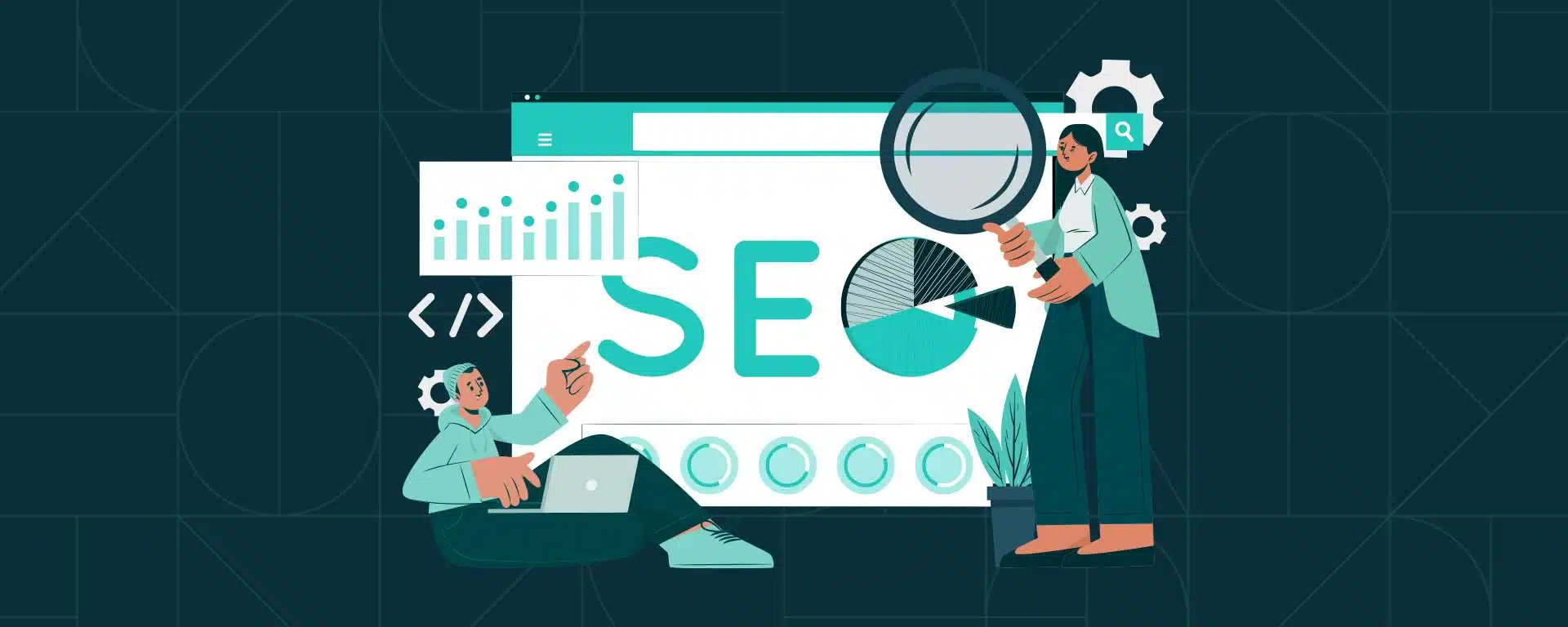
Seo analysis concept set. Character optimizing and analyzing web traffic to improve conversion rate and website performance. Vector illustration

If you serve a specific area (Sydney, Brisbane, Perth, regional towns), local SEO can send you more customers than almost anything else.

Key local ranking factors in 2025:

  • Optimised Google Business Profile (photos, posts, reviews)
  • Consistent NAP (Name, Address, Phone) across the web
  • Local keyword targeting (“electrician near me”, “conveyancer Adelaide”)
  • Reviews (quantity + recency + reply rate)
  • Local backlinks and citations

5. How Long Does SEO Take in Australia?

Realistic timeline (2025 data):

  • New website: 6–12 months to see strong results
  • Existing website with some authority: 3–6 months
  • Hyper-competitive niches (solar, finance, law): 12–18 months

SEO is not a quick fix—it’s a long-term asset that keeps growing.

6. Real Australian Success Story

A Melbourne-based migration agent was getting 90% of leads from expensive Google Ads.

After 14 months of proper SEO with Netstripes:

  • Organic traffic grew from 800 → 31,000 visits/month
  • 68% of all new enquiries now come from Google organic
  • Google Ads spend cut by 73%
  • Revenue from organic leads up 340%

7. SEO vs Google Ads – Quick Comparison

SEO (Organic) Google Ads (Paid)
Cost Time + expertise Ongoing daily spend
Trust Very high Lower (marked as “Ad”)
Traffic when you stop Keeps coming Stops immediately
Best for Long-term growth Fast results + testing

Smart Australian businesses use both—but build their house on SEO.

The Bottom Line

SEO isn’t about “tricking” Google.

It’s about building a faster, better, more helpful website than your competitors—and then helping Google understand that.

When you do it right, the results compound year after year.

Ready to Finally Get Found on Google?

At Netstripes, we’ve helped hundreds of Australian businesses—from sole traders to ASX-listed companies—dominate their local and national search results with proven, white-hat SEO strategies.

No lock-in contracts. No fluffy reports. Just real rankings, traffic, and leads.

Book your free SEO Strategy Session today and discover exactly what’s holding your website back—and get a custom roadmap to page 1.

What Is Search Engine Optimisation (SEO)?

The Ultimate 2025 Guide for Australian Business Owners in Australia

If you’ve ever wondered why some Australian businesses show up on page 1 of Google while yours is nowhere to be seen—even though you have a better product or service—this guide is for you.

Search Engine Optimisation (SEO) is the reason.

In simple terms:

SEO is the art + science of getting your website to rank higher on Google (and Bing) so that your ideal customers find YOU instead of your competitors—without paying for ads.

Done right, SEO delivers the highest-ROI marketing channel most Australian businesses will ever have.

Here’s everything you need to know in 2025.

1. Why SEO Still Matters More Than Ever in Australia

  • 93% of all online experiences begin with a search engine
  • 75% of users never scroll past the first page of Google
  • Organic search drives 53% of all website traffic (BrightEdge 2025)
  • Australian consumers trust organic results 8.5× more than paid ads

In short: If you’re not visible on Google, you’re invisible to most of your potential customers.

2. How Google Actually Works (Simplified)

  • Crawling – Google’s bots discover your pages
  • Indexing – Google stores and analyses your content
  • Ranking – When someone searches, Google picks the 10 most relevant + trustworthy pages to show

SEO influences every single one of these steps.

3. The 4 Main Pillars of Modern SEO in 2025

Pillar 1: Technical SEO (The Foundation)

Everything must work perfectly behind the scenes)

  • Fast loading speed (Core Web Vitals)
  • Mobile-friendliness
  • Secure (HTTPS)
  • Proper site structure and XML sitemaps
  • No broken links or duplicate content
  • Correct use of schema markup

Google won’t rank a technically broken site—no matter how good the content is.

Pillar 2: On-Page SEO (What’s on the Page)
  • Keyword-optimised title tags and meta descriptions
  • Proper heading structure (H1, H2, H3)
  • Strategic keyword placement without stuffing
  • High-quality, helpful content that fully answers the searcher’s question
  • Internal linking
  • Optimised images (alt text, file names, WebP format)
Pillar 3: Content (The #1 Ranking Factor in 2025)

Google’s Helpful Content Update made this crystal clear:

→ Create content for humans, not for search engines.

Top-ranking pages in Australia now average 1,800–2,500 words of genuinely useful, up-to-date content.

Examples of content that wins in 2025:

  • Ultimate guides (“How to Choose the Best Bookkeeper in Perth 2025”)
  • Comparison posts (“Xero vs MYOB vs QuickBooks Australia”)
  • Local guides (“New 2025 ATO Rules Every Tradie Must Know”)
  • Case studies and client success stories
Pillar 4: Off-Page SEO (Trust & Authority)

Mostly about backlinks—when reputable websites link to yours.

One high-quality backlink from news.com.au, smh.com.au, or an industry association is worth 1,000 low-quality directory links.

Other off-page signals:

  • Brand mentions (even without a link)
  • Google Business Profile strength (huge for local SEO)
  • Social signals and shares

4. Local SEO – The Game-Changer for Australian Businesses

Seo analysis concept set. Character optimizing and analyzing web traffic to improve conversion rate and website performance. Vector illustration

If you serve a specific area (Sydney, Brisbane, Perth, regional towns), local SEO can send you more customers than almost anything else.

Key local ranking factors in 2025:

  • Optimised Google Business Profile (photos, posts, reviews)
  • Consistent NAP (Name, Address, Phone) across the web
  • Local keyword targeting (“electrician near me”, “conveyancer Adelaide”)
  • Reviews (quantity + recency + reply rate)
  • Local backlinks and citations

5. How Long Does SEO Take in Australia?

Realistic timeline (2025 data):

  • New website: 6–12 months to see strong results
  • Existing website with some authority: 3–6 months
  • Hyper-competitive niches (solar, finance, law): 12–18 months

SEO is not a quick fix—it’s a long-term asset that keeps growing.

6. Real Australian Success Story

A Melbourne-based migration agent was getting 90% of leads from expensive Google Ads.

After 14 months of proper SEO with Netstripes:

  • Organic traffic grew from 800 → 31,000 visits/month
  • 68% of all new enquiries now come from Google organic
  • Google Ads spend cut by 73%
  • Revenue from organic leads up 340%

7. SEO vs Google Ads – Quick Comparison

SEO (Organic) Google Ads (Paid)
Cost Time + expertise Ongoing daily spend
Trust Very high Lower (marked as “Ad”)
Traffic when you stop Keeps coming Stops immediately
Best for Long-term growth Fast results + testing

Smart Australian businesses use both—but build their house on SEO.

The Bottom Line

SEO isn’t about “tricking” Google.

It’s about building a faster, better, more helpful website than your competitors—and then helping Google understand that.

When you do it right, the results compound year after year.

Ready to Finally Get Found on Google?

At Netstripes, we’ve helped hundreds of Australian businesses—from sole traders to ASX-listed companies—dominate their local and national search results with proven, white-hat SEO strategies.

No lock-in contracts. No fluffy reports. Just real rankings, traffic, and leads.

Book your free SEO Strategy Session today and discover exactly what’s holding your website back—and get a custom roadmap to page 1.

Digital Trends 2026: What Every Small Business Owner Should Know

Featuring insights from Dinesh De Silva, CEO, NetStripes

From smarter AI tools to new ways of connecting with customers, technology is reshaping how small and medium businesses grow, market, and operate. The good news? You don’t need a massive budget to stay ahead of the digital trends 2026.

Most of these innovations that are reshaping the business world in 2026 are accessible and affordable, enabling small and medium-sized businesses to harness enterprise-level technology.

Here’s our guide to the 10 Digital Trends that matter most in 2026 and how you can apply them to gain an edge.

1. AI Assistants & Everyday Automation

Digital Trends 2026 AI

AI has officially become part of everyday business. By 2026, smart assistants will be doing much more than writing text; they’ll be managing schedules, qualifying leads, replying to emails, and even running parts of your business while you sleep.

Tools like ChatGPT Teams, Fyxer AI, HubSpot AI, n8n, and Zapier Agents are making automation easier and more affordable than ever.

Pro tip: Choose one repetitive task, such as appointment scheduling or customer follow-ups, and automate it. Once you see the time savings, you’ll be hooked.

2. Smarter Dashboards & Connected Tools

Digital Trends 2026 - dashboards

If you’re tired of juggling spreadsheets and tabs, you’ll love this trend. In 2026, more small businesses are connecting their website, socials, email, and ad platforms into one simple dashboard.

Tools like Looker Studio, Metricool, or Databox show you what’s working in real time, so you can make quick, confident decisions without having to refer to multiple sheets or tabs.

Pro tip: Start by linking your Google Analytics, Meta Ads, and CRM data into one dashboard. You’ll spot insights you’ve never seen before.

3. Generative AI: Fast, Creative, Affordable

Digital Trends 2026 - Gen AI

Generative AI is changing the way brands create ads, blogs, videos, and even customer testimonials. You no longer need a big marketing team to create great content. 

With Canva Magic Studio, Adobe Firefly, and ChatGPT, you can design visuals, write posts, and draft videos in minutes, all while keeping your unique style intact.

The most important thing is to keep your brand’s personality clear. AI can do much of the work, but your personal touch still makes content feel authentic and relatable.

Pro tip: Use AI for the first draft, then polish it with your personal touch. You’ll create faster and still sound like you.

4. Personalisation That Feels Human

Digital Trends 2026 - brands personalization

Customers expect more than generic messages. In 2026, personalisation means delivering the right message at the right time, without needing a big data team.

Nowadays, smart CRMs, social ad platforms, and eCommerce tools analyse real-time data to recommend products, predict needs, and deliver the right message at the right time.

AI-driven platforms like Mailchimp, ActiveCampaign, Shopify, and Meta Ads make this simple by analysing customer behaviour and suggesting what to say next.

Action tip: Try one personalised campaign, such as product recommendations or location-based offers. Measure how much better it performs than your usual emails.

5. Human Brands Win

Digital Trends 2026 - human brands

In a world that is dominated by automation and AI, authenticity has become your biggest competitive edge. 

Online consumers still crave a ‘’human touch’’ and want to know who they’re buying from. Your story, your values, and your passion all matter when it comes to selling your products or services.

By showing up as you, you create trust, relatability, and loyalty that no algorithm can replicate.

Pro tip: Create short videos or posts that share the story behind your business; why you started, what drives you, or even a glimpse of your team in action. Let your audience see the real faces and emotions behind the brand.

“Your greatest strength in the age of AI is still you.”

6. Strategy Before Software

Digital Trends 2026 - strategy before software

Before jumping into new tools or digital trends 2026, start with a clear digital strategy. Too many businesses are pouring money into websites, ads, or AI subscriptions without a clear direction and then end up wondering why the results fall short.

A strong digital strategy gives every action meaning. It connects your goals, audience, and resources so each decision moves your business forward with a purpose.

That’s where tools like netStripes’ Xell.ai come in handy, helping you refine your business strategy by identifying your strengths and uncovering opportunities before you invest.

Pro tip: Define your target audience, goals, and how you’ll measure success. When your strategy is prioritised, every tool you add works harder for you.

7. Customer Experience Is the New Marketing

Digital Trends 2026  - customer experience in marketing

Every click, email, and interaction shapes how customers perceive your business. In today’s hyper-connected world, marketing isn’t just about what you say; it’s about how people feel every time they engage with you.

The businesses winning in digital trends 2026 are those using digital tools to deliver seamless, stress-free experiences. That means faster responses, easier bookings, consistent communication, and proactive support, the kind that makes customers say, “That was simple.”

When your customer experience is smooth and reliable, it becomes your most powerful marketing tool, driving word-of-mouth, loyalty, and repeat sales automatically.

Action tip: Map your customer journey. Look for one area that causes friction (like response time or booking ease) and fix it with automation or AI.

Digital Trends 2026 - Conversational & Visual Search

People are no longer typing keywords, they’re asking questions and showing pictures.
AI-driven search tools like ChatGPT Search and Google’s AI Overviews are changing how customers find businesses.

Now, people ask questions like ‘Where can I find a family accountant near Parramatta?’ and AI tools respond with one or two top answers instead of a long list of links.

To stay discoverable, businesses need to optimise content for conversational and visual queries. That means writing in natural language, using structured data, and including clear visuals or videos where possible.

Pro tip: Update your website FAQ and blog sections to answer common customer questions directly. This format is more likely to be picked up by AI search engines and featured in conversational results.

9. Build Your Own Audience

Digital Trends 2026 - audience building

Social media is powerful, but it’s rented space. Algorithms shift, reach drops, and one policy change can make your audience disappear overnight.

The most successful business owners in 2026 are focusing on building their own micro-communities.

By building your own audience through newsletters, private groups, or membership content, you gain control over how and when you connect with customers. It’s not just about followers anymore, it’s about relationships that last beyond the feed.

When you create a direct line of communication, you can share valuable insights, announce new offers, and build loyalty without depending on social media platforms to do the work.

Action tip: Turn your best social content into a monthly email or private online group. It’s your space, not the algorithm’s.

10. Keep Learning, Always

Digital Trends 2026-Learning

Technology won’t slow down, and neither should you. The businesses that thrive in 2026 aren’t necessarily the biggest; they’re the ones that stay curious and keep adapting.

When learning becomes part of your company culture, innovation follows. Whether it’s exploring new digital tools, attending webinars, or encouraging your team to upskill, continuous learning keeps your business agile, competitive, and future-ready.

Action tip: Block an hour or two in your calendar each month to explore a new tool or digital trends 2026 on your own or as a team. Curiosity compounds over time.

Where to Begin

  1. Automate one task with AI.
  2. Connect your digital tools into a single view.
  3. Personalise your customer experience.
  4. Share your story online.
  5. Keep learning and improving every month.

You don’t need to do it all at once, just start slow, stay curious, and focus on progress, not perfection.

Digital Trends 2026 - Dinesh De Silva netstripes

Conclusion

2026 isn’t about chasing technology for technology’s sake.  It’s about using it wisely to save time, serve customers better, and grow your business with confidence with these top digital trends.

At netStripes, we believe innovation should always be practical, affordable, and human-centred, empowering business owners to do more, with less, while staying true to who they are.

To find out more about how you can apply these digital trends to your business, book a FREE digital advisory session with our digital strategists.