Featuring insights from Dinesh De Silva, CEO, NetStripes
From smarter AI tools to new ways of connecting with customers, technology is reshaping how small and medium businesses grow, market, and operate. The good news? You don’t need a massive budget to stay ahead of the digital trends 2026.
Most of these innovations that are reshaping the business world in 2026 are accessible and affordable, enabling small and medium-sized businesses to harness enterprise-level technology.
Table of Contents
Here’s our guide to the 10 Digital Trends that matter most in 2026 and how you can apply them to gain an edge.
1. AI Assistants & Everyday Automation
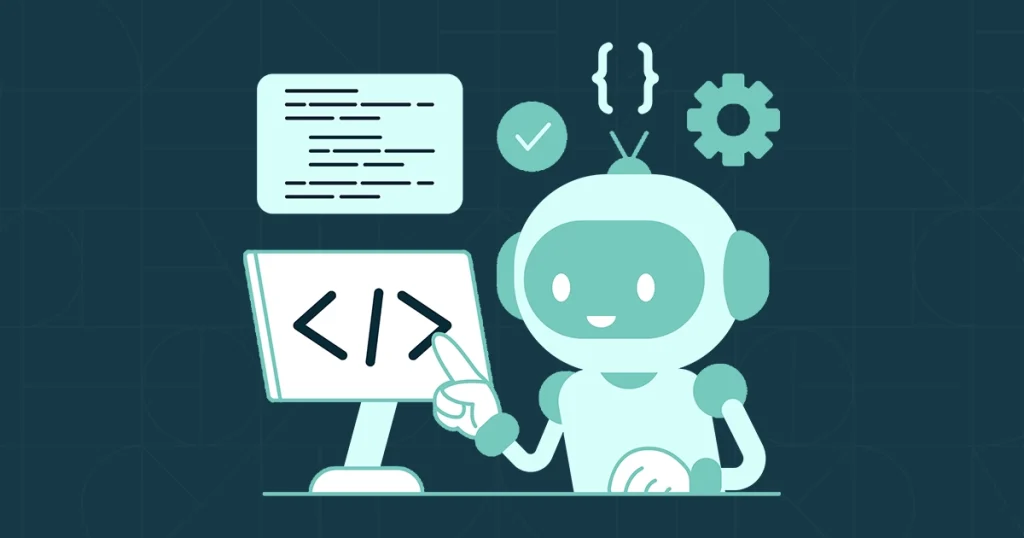
AI has officially become part of everyday business. By 2026, smart assistants will be doing much more than writing text; they’ll be managing schedules, qualifying leads, replying to emails, and even running parts of your business while you sleep.
Tools like ChatGPT Teams, Fyxer AI, HubSpot AI, n8n, and Zapier Agents are making automation easier and more affordable than ever.
Pro tip: Choose one repetitive task, such as appointment scheduling or customer follow-ups, and automate it. Once you see the time savings, you’ll be hooked.
2. Smarter Dashboards & Connected Tools
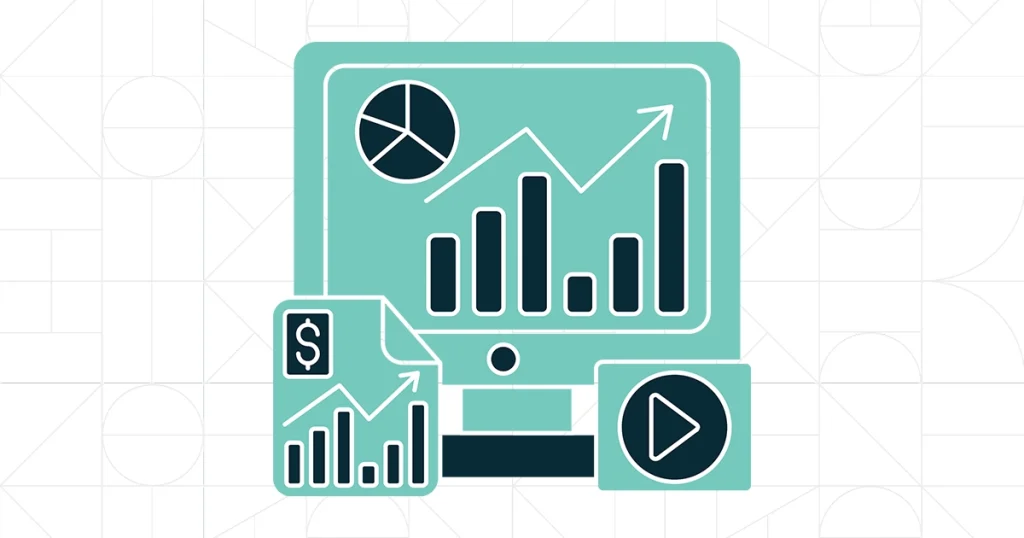
If you’re tired of juggling spreadsheets and tabs, you’ll love this trend. In 2026, more small businesses are connecting their website, socials, email, and ad platforms into one simple dashboard.
Tools like Looker Studio, Metricool, or Databox show you what’s working in real time, so you can make quick, confident decisions without having to refer to multiple sheets or tabs.
Pro tip: Start by linking your Google Analytics, Meta Ads, and CRM data into one dashboard. You’ll spot insights you’ve never seen before.
3. Generative AI: Fast, Creative, Affordable
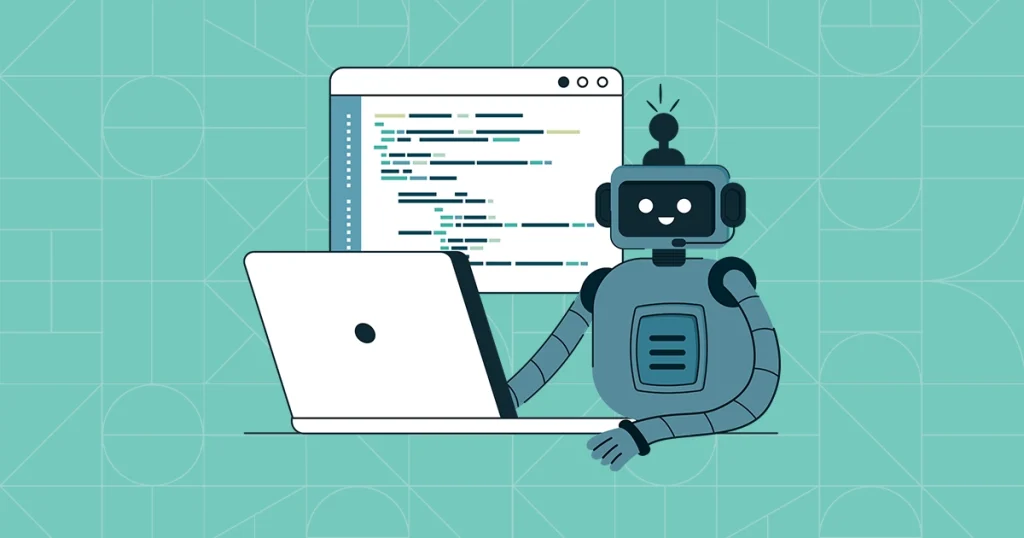
Generative AI is changing the way brands create ads, blogs, videos, and even customer testimonials. You no longer need a big marketing team to create great content.
With Canva Magic Studio, Adobe Firefly, and ChatGPT, you can design visuals, write posts, and draft videos in minutes, all while keeping your unique style intact.
The most important thing is to keep your brand’s personality clear. AI can do much of the work, but your personal touch still makes content feel authentic and relatable.
Pro tip: Use AI for the first draft, then polish it with your personal touch. You’ll create faster and still sound like you.
4. Personalisation That Feels Human
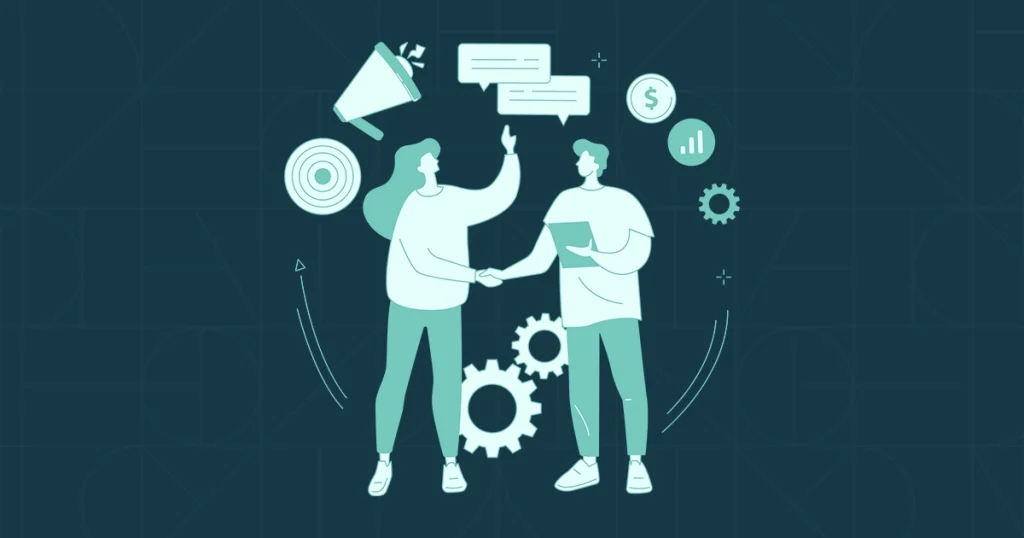
Customers expect more than generic messages. In 2026, personalisation means delivering the right message at the right time, without needing a big data team.
Nowadays, smart CRMs, social ad platforms, and eCommerce tools analyse real-time data to recommend products, predict needs, and deliver the right message at the right time.
AI-driven platforms like Mailchimp, ActiveCampaign, Shopify, and Meta Ads make this simple by analysing customer behaviour and suggesting what to say next.
Action tip: Try one personalised campaign, such as product recommendations or location-based offers. Measure how much better it performs than your usual emails.
5. Human Brands Win
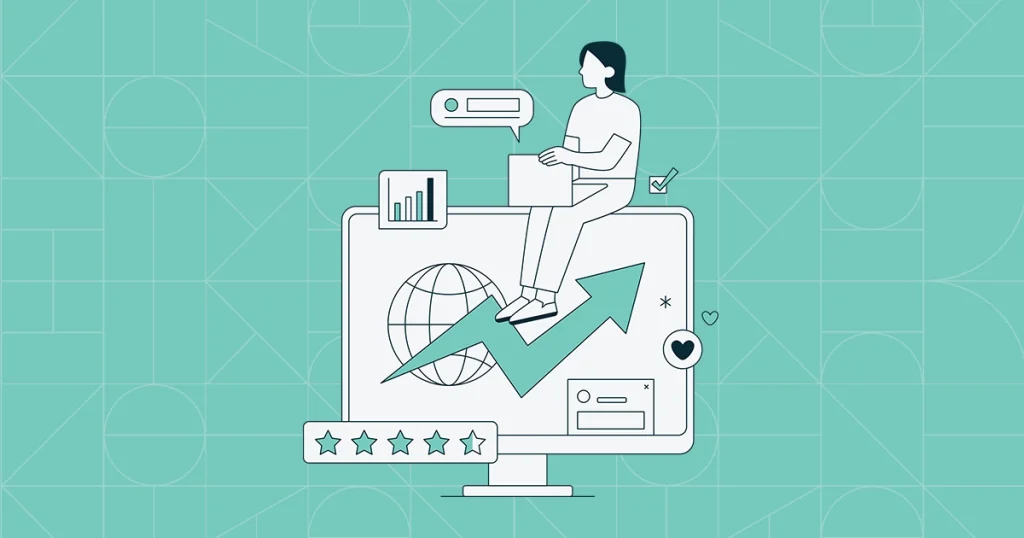
In a world that is dominated by automation and AI, authenticity has become your biggest competitive edge.
Online consumers still crave a ‘’human touch’’ and want to know who they’re buying from. Your story, your values, and your passion all matter when it comes to selling your products or services.
By showing up as you, you create trust, relatability, and loyalty that no algorithm can replicate.
Pro tip: Create short videos or posts that share the story behind your business; why you started, what drives you, or even a glimpse of your team in action. Let your audience see the real faces and emotions behind the brand.
“Your greatest strength in the age of AI is still you.”
6. Strategy Before Software

Before jumping into new tools or digital trends 2026, start with a clear digital strategy. Too many businesses are pouring money into websites, ads, or AI subscriptions without a clear direction and then end up wondering why the results fall short.
A strong digital strategy gives every action meaning. It connects your goals, audience, and resources so each decision moves your business forward with a purpose.
That’s where tools like netStripes’ Xell.ai come in handy, helping you refine your business strategy by identifying your strengths and uncovering opportunities before you invest.
Pro tip: Define your target audience, goals, and how you’ll measure success. When your strategy is prioritised, every tool you add works harder for you.
7. Customer Experience Is the New Marketing
Every click, email, and interaction shapes how customers perceive your business. In today’s hyper-connected world, marketing isn’t just about what you say; it’s about how people feel every time they engage with you.
The businesses winning in digital trends 2026 are those using digital tools to deliver seamless, stress-free experiences. That means faster responses, easier bookings, consistent communication, and proactive support, the kind that makes customers say, “That was simple.”
When your customer experience is smooth and reliable, it becomes your most powerful marketing tool, driving word-of-mouth, loyalty, and repeat sales automatically.
Action tip: Map your customer journey. Look for one area that causes friction (like response time or booking ease) and fix it with automation or AI.
8. Conversational & Visual Search
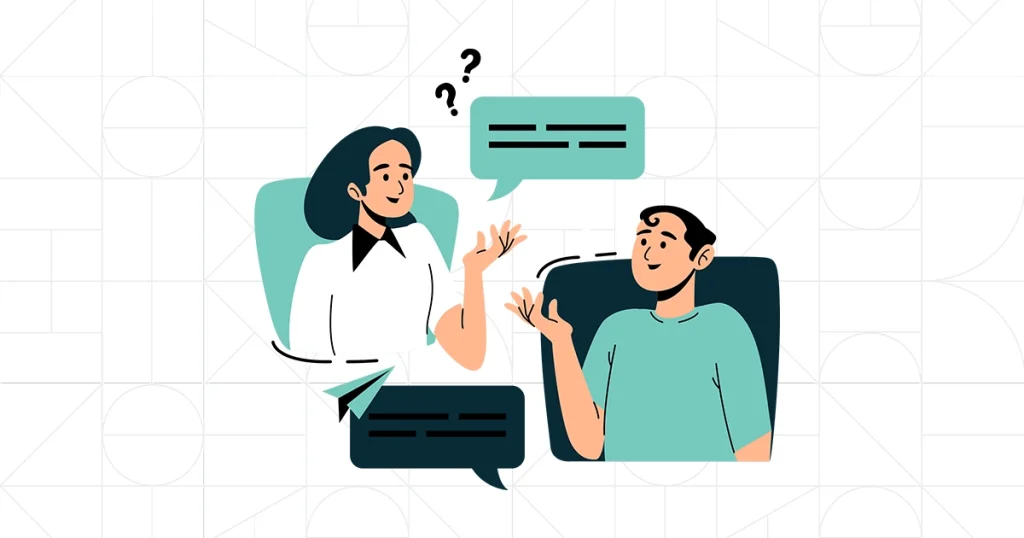
People are no longer typing keywords, they’re asking questions and showing pictures.
AI-driven search tools like ChatGPT Search and Google’s AI Overviews are changing how customers find businesses.
Now, people ask questions like ‘Where can I find a family accountant near Parramatta?’ and AI tools respond with one or two top answers instead of a long list of links.
To stay discoverable, businesses need to optimise content for conversational and visual queries. That means writing in natural language, using structured data, and including clear visuals or videos where possible.
Pro tip: Update your website FAQ and blog sections to answer common customer questions directly. This format is more likely to be picked up by AI search engines and featured in conversational results.
9. Build Your Own Audience
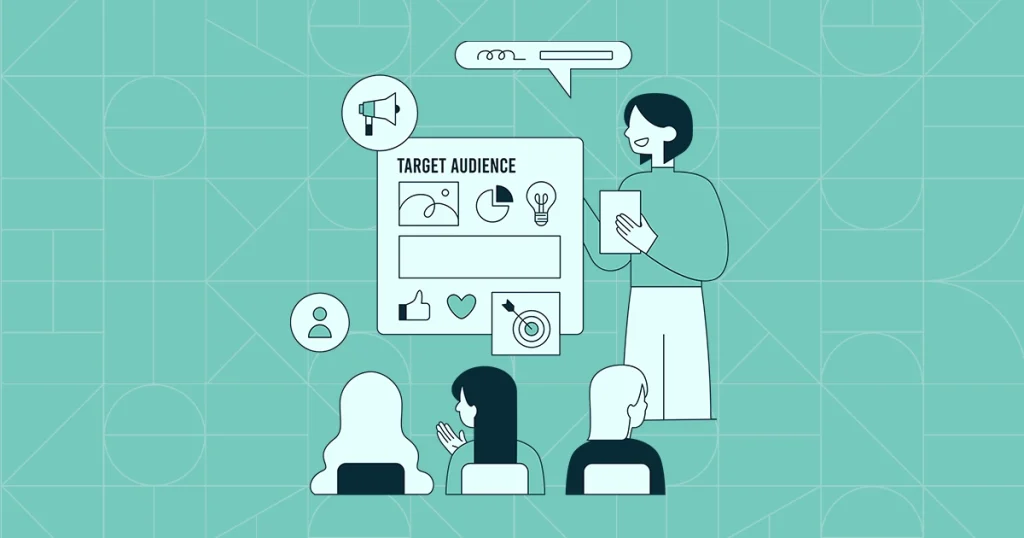
Social media is powerful, but it’s rented space. Algorithms shift, reach drops, and one policy change can make your audience disappear overnight.
The most successful business owners in 2026 are focusing on building their own micro-communities.
By building your own audience through newsletters, private groups, or membership content, you gain control over how and when you connect with customers. It’s not just about followers anymore, it’s about relationships that last beyond the feed.
When you create a direct line of communication, you can share valuable insights, announce new offers, and build loyalty without depending on social media platforms to do the work.
Action tip: Turn your best social content into a monthly email or private online group. It’s your space, not the algorithm’s.
10. Keep Learning, Always
Technology won’t slow down, and neither should you. The businesses that thrive in 2026 aren’t necessarily the biggest; they’re the ones that stay curious and keep adapting.
When learning becomes part of your company culture, innovation follows. Whether it’s exploring new digital tools, attending webinars, or encouraging your team to upskill, continuous learning keeps your business agile, competitive, and future-ready.
Action tip: Block an hour or two in your calendar each month to explore a new tool or digital trends 2026 on your own or as a team. Curiosity compounds over time.
Where to Begin
- Automate one task with AI.
- Connect your digital tools into a single view.
- Personalise your customer experience.
- Share your story online.
- Keep learning and improving every month.
You don’t need to do it all at once, just start slow, stay curious, and focus on progress, not perfection.
Conclusion
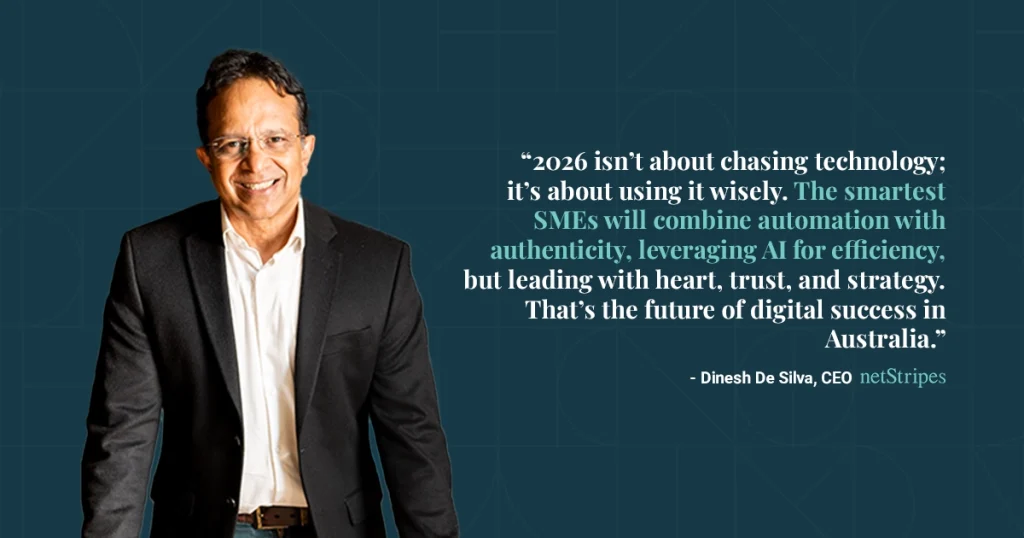
2026 isn’t about chasing technology for technology’s sake. It’s about using it wisely to save time, serve customers better, and grow your business with confidence with these top digital trends.
At netStripes, we believe innovation should always be practical, affordable, and human-centred, empowering business owners to do more, with less, while staying true to who they are.
To find out more about how you can apply these digital trends to your business, book a FREE digital advisory session with our digital strategists.