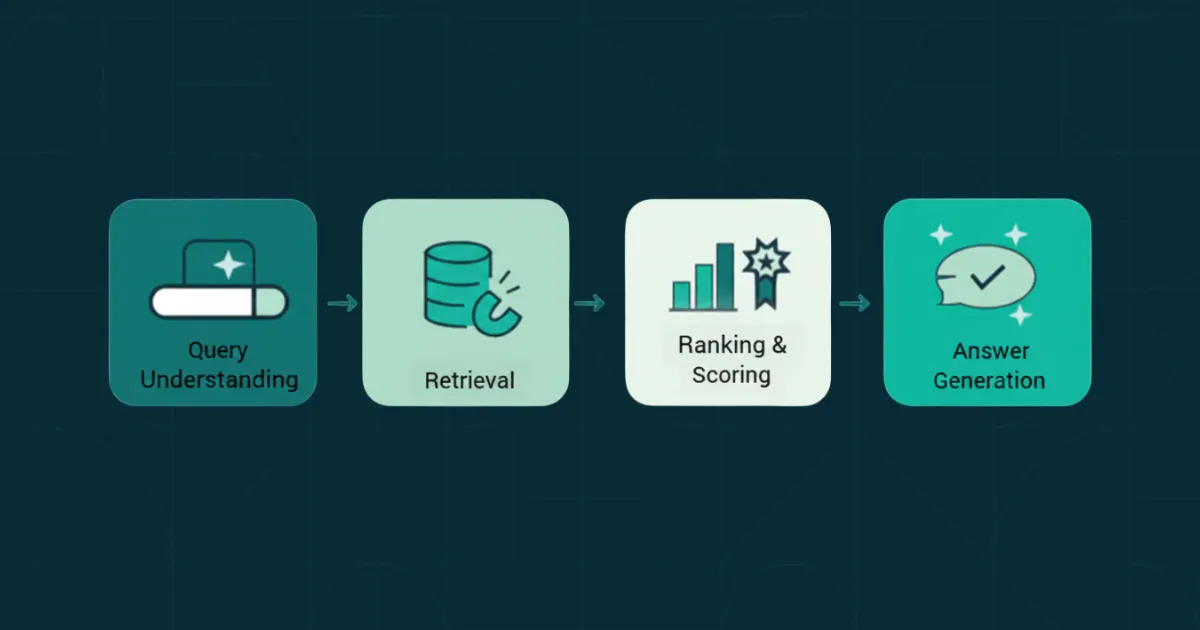
AEO vs GEO vs SEO: What’s the Difference, and Which Does Your Business Need in 2027?

The way people search for information online is changing. For years, businesses focused on Search Engine Optimisation (SEO) to improve their Google rankings, attract organic traffic and generate leads. However, the growth of artificial intelligence is introducing new ways for customers to discover businesses, compare services and make purchasing decisions.

Today, someone looking for a digital marketing agency in Sydney might search Google, ask ChatGPT for recommendations, explore Google’s AI Overviews or use Perplexity to compare different providers.

This shift has brought two important terms into digital marketing: Answer Engine Optimisation (AEO) and Generative Engine Optimisation (GEO).

While all three approaches aim to improve online visibility, AEO and GEO are often used to describe overlapping activities focused on answer-based and AI-powered search experiences.

For Australian businesses, understanding AEO vs GEO vs SEO is becoming important when planning digital marketing investments for 2027.

But do you need all three? Should you invest in GEO instead of traditional SEO? And how can your business become more visible across Google and AI-powered platforms?

Let’s explore the differences and understand which approach makes sense for your business.

1. What Is SEO (Search Engine Optimisation)?

AEO vs GEO vs SEO

Search Engine Optimisation (SEO) is the process of improving a website’s visibility in organic search engine results.

When someone searches for a product, service or solution on Google or Bing, search engines display relevant websites based on various ranking systems and signals.

SEO helps businesses improve their chances of appearing for searches related to their products and services.

For example, a business offering accounting services in Brisbane might target searches such as:

  • Accountant in Brisbane
  • Small business accountant Brisbane
  • Business tax accountant Australia
  • Accounting services for small businesses

A well-planned SEO strategy helps the business reach people actively searching for these services.

What Does Traditional SEO Include?

SEO involves several activities that work together to improve website visibility.

  • Keyword Research: Identifying relevant search terms based on customer needs, search intent and business objectives.
  • Technical SEO: Improving website speed, crawlability, indexing, mobile usability and overall technical performance.
  • On-Page SEO: Optimising page titles, headings, descriptions, content and internal links.
  • Content Marketing: Publishing useful blogs, service pages, guides and resources that answer customer questions.
  • Link Building: Earning relevant backlinks from credible websites to strengthen a website’s reputation and authority.
  • Local SEO: Improving visibility for location-based searches through Google Business Profile, local landing pages, reviews and consistent business information.

Why SEO Still Matters in 2027

Although AI-powered search is growing, traditional SEO remains an important foundation for online visibility.

Google’s guidance confirms that its AI search experiences, including AI Overviews and AI Mode, continue to rely on established Search systems and SEO fundamentals.

For Australian businesses, this means technical optimisation, helpful and original content, clear website structure and relevance to search intent remain important.

SEO is not becoming irrelevant. The way people interact with search results is evolving.

2. What Is AEO (Answer Engine Optimisation)?

AEO vs GEO vs SEO

Answer Engine Optimisation (AEO) generally focuses on structuring website content so search engines and answer-based platforms can understand it and use relevant information when responding to specific questions.

Traditional search often presents users with a list of websites. Answer-focused experiences may instead provide a direct response to a question.

For example, someone might ask:

“What should a small business look for when choosing an SEO agency in Australia?”

Rather than simply displaying websites targeting that keyword, an answer engine may present a concise explanation with relevant supporting sources.

AEO aims to improve the chances of your content being selected as a useful answer.

How Does AEO Work?

AEO focuses on understanding the questions customers ask and creating content that answers them clearly. Important AEO practices include:

a. Answer Questions Directly- Provide clear explanations near the beginning of relevant sections instead of making readers search through lengthy paragraphs.

b. Use Question-Based Headings

Create headings that reflect actual customer questions, such as:

  • What is SEO?
  • How does Google Ads work?
  • How much does SEO cost in Australia?
  • Why does my website need technical SEO?

c. Structure Content Clearly

Use descriptive headings, short paragraphs, bullet points, tables and FAQs to make information easier to navigate.

d. Provide Accurate Information

Support important claims with credible references, relevant examples and current information.

e. Use Structured Data Where Appropriate

Implement relevant schema markup to help search engines understand information about your organisation, services, products and content.

Schema should accurately reflect visible website information. It can support search understanding and eligibility for certain search features, but it does not guarantee an answer placement.

Where Does AEO Matter?

AEO can support visibility across answer-focused search experiences, including:

  • Google Featured Snippets
  • Google’s People Also Ask results
  • Voice search responses
  • Google AI Overviews and AI Mode
  • Conversational question-answering experiences

AEO is particularly relevant for businesses whose customers frequently research services, compare options or ask questions before making a purchase.

For example, an Australian mortgage broker could create useful content answering questions about loan eligibility, interest rates, refinancing and borrowing capacity.

This helps potential customers find relevant information while building awareness of the business.

3. What Is GEO (Generative Engine Optimisation)?

AEO vs GEO vs SEO

Generative Engine Optimisation (GEO) focuses on improving a brand’s visibility within AI-generated answers and recommendations.

Unlike traditional search results, generative AI platforms can combine information from multiple sources to create a conversational response.

Examples of platforms and experiences include:

  • ChatGPT
  • Google AI Overviews
  • Google AI Mode
  • Perplexity
  • Gemini

Consider someone asking ChatGPT:

“Which digital marketing agencies in Sydney are suitable for small businesses looking to generate more leads?”

An AI platform may generate a response mentioning several agencies, describing their services and providing links to relevant websites.

GEO focuses on improving the quality, accessibility and credibility of a business’s online presence to support its chances of being discovered, mentioned or cited in these AI-generated responses.

How Does GEO Work?

GEO extends beyond optimising individual website pages. It considers how a business is represented across its broader online presence.

Important GEO practices include:

a. Build Strong Brand Identity

Make sure your website clearly explains your business name, services, expertise, location and target audience.

b. Develop Topical Authority

Publish useful, connected content covering important topics within your industry.

For example, an Australian financial services business could develop content around equipment finance, business loans, commercial lending, loan eligibility and financing requirements.

c. Strengthen Your Online Reputation

Build a credible online reputation through genuine customer reviews, relevant industry publications, professional organisations and trustworthy third-party references.

d. Publish Original and Informative Content

Provide expert insights, original research, practical examples, case studies and accurate information rather than simply rewriting content already available online.

e. Maintain Consistent Business Information

Ensure your business name, services, location, contact information and other important details are accurate across your website and relevant online platforms.

f. Improve Website Accessibility

Make sure important website content can be accessed by the relevant search engines and AI services. Review crawler permissions, robots.txt settings, indexing restrictions and website infrastructure.

Why GEO Matters for Australian Businesses

Customers are increasingly exploring AI-powered tools to research products, compare service providers and understand different purchasing options.

For Australian businesses, appearing in relevant AI-generated answers could create another opportunity to reach potential customers.

A company operating in Sydney, Melbourne, Brisbane or Perth should consider how its services and expertise are represented not only on its website but also across credible online sources.

However, GEO is still evolving. No business or agency can guarantee that ChatGPT, Gemini or Perplexity will recommend a particular company.

The objective should be to build a credible digital presence that supports visibility across different discovery platforms.

4. AEO vs GEO vs SEO: What Are the Key Differences?

Although SEO, AEO and GEO share many optimisation principles, they are commonly used to describe different aspects of online visibility. The distinction between AEO and GEO, however, is not universally defined.

Here is a practical comparison for businesses.

Comparison SEO AEO GEO
Full form Search Engine Optimisation Answer Engine Optimisation Generative Engine Optimisation
Main objective Improve organic search visibility Become a useful direct answer Improve visibility in AI-generated answers
Primary focus Rankings and search traffic Answer relevance and extraction AI mentions and citations
Common platforms Google, Bing Featured snippets, voice search, answer experiences ChatGPT, Gemini, Perplexity, AI search
Content approach Search-intent-focused content Clear, direct answers Comprehensive, authoritative content
Important activities Technical SEO, keywords, backlinks Question-based content, structured answers Topical authority, brand mentions, entity clarity
Measurement Rankings, clicks, impressions and conversions Answer visibility and featured result presence AI citations, mentions and referral traffic

The important thing to understand: These are not completely separate marketing disciplines. Strong SEO supports AEO and GEO, while answer-focused content and broader brand authority can strengthen the overall search strategy.

Google describes AEO and GEO as terms used for work focused on improving visibility in AI search experiences. However, from Google’s perspective, optimising for its generative AI search features is still part of SEO.

5. Do You Need SEO, AEO and GEO Separately in 2027?

This is one of the most important questions for businesses planning their digital marketing budgets.

The short answer is that most businesses should build one integrated search strategy rather than investing in three completely separate optimisation programmes.

The right balance depends on your industry, competition, website performance, customer behaviour and business objectives.

When Should You Prioritise SEO?

SEO should be a priority if:

  • Your website receives very little organic traffic.
  • Your important service pages are not ranking.
  • Your website has technical SEO problems.
  • Your business depends on Google search enquiries.
  • Your competitors have stronger organic visibility.
  • You need to build sustainable organic traffic.

For example, a new plumbing business in Sydney should first establish its website, service pages, location targeting, technical SEO and local search presence.

Without these foundations, focusing exclusively on AI visibility may not address its biggest marketing challenges.

When Should You Prioritise AEO?

AEO deserves greater attention if:

  • Your customers frequently ask questions before purchasing.
  • Your industry involves complex products or services.
  • Your website publishes educational resources.
  • You want to improve visibility for question-based searches.
  • Your content is useful but difficult to navigate or extract answers from.

For example, a healthcare clinic could create clear educational resources answering common questions about treatments, appointments and available services.

This makes the information more useful for patients and easier to understand across different search experiences.

When Should You Prioritise GEO?

GEO may deserve greater attention if:

  • Customers use AI platforms to compare businesses.
  • Your industry has strong competition for brand recommendations.
  • Your business wants to improve its presence in AI-generated answers.
  • Your website already has reasonable SEO foundations.
  • Your brand has limited recognition across credible third-party sources.
  • You want to monitor how AI platforms describe your business.

For example, a Sydney-based digital marketing agency could strengthen its website content, publish original industry insights, earn credible business mentions and monitor whether AI platforms accurately identify its services.

This can help build a stronger digital footprint beyond traditional keyword rankings.

6. How Australian Businesses Can Combine SEO, AEO and GEO

Rather than treating these approaches as separate projects, businesses should build a connected strategy.

Consider an Australian business offering commercial finance services.

Its integrated search strategy could look like this:

Step 1: Build the SEO Foundation

Develop dedicated pages for equipment finance, commercial vehicle finance, business loans and other relevant services.

Improve technical SEO, conduct keyword research and build relevant internal links.

Step 2: Introduce AEO-Focused Content

Create helpful resources answering questions such as:

  • What is equipment finance?
  • What documents are required for an equipment loan?
  • How does commercial vehicle finance work?
  • What should businesses consider before applying for finance?

Provide direct answers supported by useful explanations.

Step 3: Strengthen GEO Visibility

Publish expert insights, demonstrate industry experience, earn credible industry mentions and maintain accurate business information across relevant online platforms.

Develop content that explains the business’s services and expertise clearly.

Step 4: Measure All Three Approaches

Review traditional search performance, answer-based visibility and brand mentions or citations across relevant AI platforms.

Most importantly, connect these activities to qualified enquiries, appointments and completed sales.

This creates a more complete understanding of how customers discover the business.

7. How to Measure SEO, AEO and GEO Performance in 2027

One of the biggest challenges with AI search optimisation is measurement.

Traditional SEO has established reporting tools and metrics. By comparison, AEO and GEO measurement is less standardised, with limited direct reporting available across different AI platforms.

Businesses should consider the following indicators.

SEO Performance Metrics

  • Keyword rankings.
  • Organic clicks and impressions.
  • Organic website traffic.
  • Search visibility.
  • Indexed pages.
  • Organic conversion rates.
  • Qualified enquiries.
  • Revenue from organic search.

Useful tools include Google Search Console, Google Analytics 4 and professional SEO platforms.

AEO Performance Metrics

  • Featured snippet appearances.
  • Visibility for question-based searches.
  • Presence in relevant answer experiences.
  • Brand mentions in direct answers.
  • Referral traffic from answer-focused platforms, where identifiable.

GEO Performance Metrics

  • Brand mentions across AI platforms.
  • AI-generated citations and source links.
  • Share of relevant AI responses mentioning your business.
  • Accuracy of business descriptions.
  • AI referral traffic.
  • Leads and conversions influenced by AI discovery.

For example, a business could regularly test 20 relevant customer questions across ChatGPT, Gemini and Perplexity to understand whether its brand is mentioned and which sources are referenced.

These checks should be repeated using consistent questions and recorded over time because AI responses can vary.

Google’s Search Central guidance also recommends using Search Console to monitor performance associated with its generative search experiences, where reporting is available.

The goal is to move beyond simply measuring visibility and understand whether that visibility contributes to business growth.

8. Common Mistakes Businesses Should Avoid

AEO vs GEO vs SEO

As AEO and GEO become more popular, businesses may encounter misleading claims and unnecessary optimisation activities.

Here are some mistakes to avoid.

Treating GEO as a Replacement for SEO

Traditional SEO remains important for search visibility and provides a foundation for AI search discovery. Do not abandon technical SEO, keyword research or useful website content.

Assuming Schema Guarantees AI Citations

Structured data helps search engines understand website information, but there is no special schema that guarantees inclusion in AI-generated answers.

Use schema appropriately as part of your wider SEO strategy.

Publishing Large Volumes of Generic AI Content

Publishing more articles does not automatically improve visibility. Focus on accuracy, original insights, customer relevance and genuine expertise.

Ignoring Third-Party Brand Presence

Your website is not the only source of information about your business. Relevant reviews, industry publications, partnerships and genuine brand mentions can contribute to your broader digital reputation.

Expecting Guaranteed AI Recommendations

No agency can guarantee that ChatGPT, Gemini or another AI platform will recommend your business for a particular question.

Be cautious of providers promising guaranteed AI rankings or citations without explaining the actual work involved.

9. A Practical Search Optimisation Roadmap for Australian Businesses in 2027

If your business wants to prepare for changing search behaviour, consider following this practical roadmap.

Priority Recommended activity Business objective
First Technical SEO and website improvements Establish a strong search foundation
Second Keyword research and service page optimisation Attract relevant organic traffic
Third Question-based content and FAQs Improve answer-focused visibility
Fourth Build topical authority and original resources Demonstrate expertise
Fifth Strengthen brand mentions and online reputation Improve broader digital credibility
Sixth Monitor AI visibility and citations Understand generative search presence
Seventh Track qualified leads and revenue Measure commercial performance

The timing and effort required will vary depending on your website’s existing condition, competition and available resources.

For smaller Australian businesses, starting with technical SEO, local search and important service pages may provide a more practical foundation before expanding into more specialised AEO and GEO activities.

Conclusion: The Future of Search Is About Being Found, Answered and Recommended

SEO, AEO and GEO describe different but closely connected approaches to improving online visibility.

SEO helps businesses improve their presence in traditional search results. AEO focuses on making useful information available as direct answers. GEO aims to improve a brand’s visibility within generative AI responses.

For Australian businesses preparing for 2027, the opportunity is not to choose one and abandon the others. It is to understand how customers discover information and develop a connected strategy that supports visibility across these experiences.

A strong technical foundation, useful content, clear answers, genuine expertise and a credible online reputation remain important across all three approaches.

At netStripes, we help Australian businesses combine traditional SEO with emerging AI search optimisation strategies to build stronger online visibility and generate measurable business outcomes.

Whether your business needs to improve Google rankings, strengthen its presence in AI-generated answers or build a more comprehensive search strategy, the right approach starts with understanding your current digital performance.

Explore our SEO Agency Services in Australia and discover how a connected search strategy can help your business grow in 2027.

Don’t just aim to rank on Google. Build a digital presence that helps your business get found, understood and considered wherever your customers search.


The Future of Content Marketing: How AI Watermarking Changes the Game for Australian Businesses

Artificial intelligence is transforming the way businesses create, publish and distribute content. From blog articles and social media posts to marketing images, videos and advertisements, AI tools are making content production faster and more accessible than ever.

However, as AI-generated content becomes increasingly realistic, an important question is emerging: How can audiences tell whether the content they see is authentic, AI-generated or modified using artificial intelligence?

This is where AI watermarking is becoming increasingly important.

AI watermarking can help identify the origin of certain digital content, giving businesses another way to provide transparency about how their marketing materials are created. Technologies such as Google SynthID and C2PA Content Credentials are contributing to this shift by helping identify AI-generated content and record information about how digital assets were created or modified.

For Australian businesses, this development presents an opportunity to rethink content marketing. The future will not simply be about producing more content with AI. It will be about creating valuable, trustworthy and transparent content that builds stronger relationships with customers.

Let’s explore how AI watermarking is changing content marketing and what businesses should consider when preparing their digital strategies.

1. What Is AI Watermarking and Why Does It Matter?

AI watermarking involves embedding identifiable signals into digital content to help indicate whether it was generated or modified using AI

Unlike traditional visible watermarks, which usually display a logo or text over an image, some AI watermarks are invisible to the human eye and can be detected using specialised technology.

AI watermarking can be used across different content formats, including:

  • Images: Identifying images generated or modified using AI.
  • Videos: Embedding signals that help establish whether video content was AI-generated.
  • Audio: Identifying synthetic voices, music or other AI-generated audio.
  • Text: Using specialised techniques to identify certain AI-generated text.

For example, a Melbourne-based marketing agency might use AI to generate images for a client’s advertising campaign. Depending on the generation tool, those images may contain embedded watermarks or content provenance information.

This information can help people understand whether AI was involved in creating or modifying the content and, where provenance records are available, provide further details about its history.

The importance of AI watermarking comes down to transparency. As audiences become more exposed to synthetic content, knowing how digital information was created can help them make better-informed decisions.

2. How AI Watermarking Is Changing Content Marketing

Traditional content marketing has focused on creating informative articles, attractive images, engaging videos and useful social media content.

AI has made it possible to produce these materials more efficiently. However, faster production also creates challenges around originality, authenticity and audience trust.

AI watermarking and content provenance introduce additional ways to support accountability in the content creation process.

Here are some important ways it could influence content marketing.

Greater Transparency in AI-Assisted Content

Businesses increasingly use AI to support content creation. Some use it for research and editing, while others use it to generate complete images, videos or written drafts.

Watermarking and clear content labels can help audiences identify AI-generated or modified material, although the information available will depend on the technology and disclosure method used.

For example, an Australian eCommerce business using AI-generated product lifestyle images could clearly disclose that the visuals are AI-generated, rather than presenting them as photographs of actual customers or products.

This is particularly important when content could influence purchasing decisions.

Stronger Brand Credibility

Trust is an important part of successful content marketing.

Customers want to know whether the information they read, watch or hear is reliable. When businesses communicate clearly about their use of AI, they can demonstrate accountability and build confidence in their marketing activities.

For Australian businesses operating in competitive industries, transparency can become an important part of brand reputation.

Better Content Provenance

Content provenance refers to information about where digital content originated and how it has been created or edited.

Technologies such as C2PA Content Credentials can record verifiable information about a digital file’s origin and editing history.

This can be particularly useful for businesses publishing product images, campaign videos, corporate communications and other visual materials.

This can also help marketing teams maintain a clearer record of how digital assets are produced and managed.

3. Understanding AI Watermarking Technologies: SynthID and C2PA

AI content identification and provenance are developing through different technologies and standards. Two important examples are Google SynthID and C2PA Content Credentials.

Although they support content transparency, they work differently.

Google SynthID

Google DeepMind developed SynthID to identify content generated using supported Google AI technologies.

It embeds imperceptible digital watermarks into AI-generated images, videos, audio and certain text outputs.

Unlike a visible logo, the watermark is designed to remain undetectable during normal viewing while allowing compatible detection systems to identify its presence.

For example, an AI-generated image may look completely natural to someone viewing it. However, compatible verification technology can help determine whether it contains a SynthID watermark.

This can be useful for marketers, publishers and businesses seeking additional information about whether supported Google AI tools were used to generate or modify digital media.

C2PA Content Credentials

The Coalition for Content Provenance and Authenticity (C2PA) has developed an open technical standard for recording the origin and editing history of digital content.

Content Credentials can provide information such as:

  • The software or tools used to create content.
  • Whether AI was involved in its creation.
  • Details of subsequent modifications.
  • Information about the content’s origin and provenance.

For example, a marketing team could use compatible tools to retain information about how a campaign image was created and edited.

One important distinction is that C2PA uses signed provenance information and metadata rather than relying solely on an invisible watermark embedded in the media.

Metadata can sometimes be removed when files are edited or shared, so Content Credentials and digital watermarking can complement each other.

Together, these technologies represent an important development in making digital content more transparent and verifiable.

4. What AI Watermarking Means for SEO and Content Marketing

One common question among marketers is whether AI watermarking will influence Google rankings or determine how search engines evaluate website content.

It is important to understand that watermarking and SEO serve different purposes.

Watermarking can help identify AI-generated content, while SEO focuses on making useful and relevant information discoverable through search engines.

Google does not identify AI watermarks as a direct ranking factor. Its guidance instead emphasises the quality, accuracy, originality and usefulness of content, regardless of how it is produced.

However, the broader shift towards content authenticity and transparency has implications for content marketing.

Businesses should focus on the following areas.

Create Helpful and Original Content

AI can assist with research, outlines, editing and content production. However, publishing large volumes of generic AI-generated articles without adding meaningful value is not a sustainable content strategy.

Businesses should include:

  • Original insights and industry experience.
  • Accurate information and credible references.
  • Relevant Australian examples.
  • Expert opinions and practical recommendations.
  • Clear explanations that answer customer questions.

For example, an Australian financial services business should provide accurate information about local finance requirements rather than relying on generic AI-generated explanations.

Maintain Human Editorial Oversight

AI-generated content should be reviewed before publication.

Marketing teams should verify facts, check statistics, review claims and ensure that the final material reflects the business’s expertise and brand voice.

This is especially important in industries such as healthcare, finance, legal services and professional consulting, where inaccurate information can have serious consequences.

Make Content Creation More Transparent

Businesses should establish clear internal processes for documenting AI involvement in content production.

This could include recording:

  • Which AI tools were used.
  • Whether content was AI-assisted, AI-modified or AI-generated.
  • Who reviewed and approved the final material.
  • Whether visual assets contain provenance information.
  • Where original files and content credentials are stored.

These practices can improve accountability and make content management more consistent.

5. The Role of AI Watermarking in Social Media and Video Marketing

Future of Content Marketing

Social media platforms have become major distribution channels for business content.

Australian businesses use Facebook, Instagram, LinkedIn, TikTok and YouTube to publish promotional material, educational videos, product demonstrations and customer stories.

AI makes it easier to create these assets, but realistic synthetic images, voices and videos can also create confusion when audiences cannot distinguish between genuine and generated material.

AI watermarking and clear disclosures can help address this challenge.

Consider an Australian real estate business creating a promotional video using AI-generated property visuals.

If the visuals represent a real property, the business should ensure that they do not mislead potential buyers about the property’s actual appearance or features.

Similarly, an eCommerce business should avoid using AI-generated product images that inaccurately represent the products customers will receive.

Practical steps for businesses:

  • Clearly label synthetic visuals when disclosure is appropriate.
  • Avoid presenting AI-generated testimonials as genuine customer experiences.
  • Use authentic customer photographs and videos only with appropriate permission.
  • Retain original files and provenance information.
  • Review platform-specific AI disclosure requirements before publishing.
  • Ensure marketing visuals accurately represent the products or services being promoted.

The objective is not to avoid AI-generated content. It is to use it responsibly without compromising customer trust.

6. What Australian Businesses Should Know About AI Transparency

AI transparency is becoming an important consideration for businesses across Australia.

The Australian Government’s National AI Centre has published guidance titled Being clear about AI-generated content, which explains how organisations can communicate when AI is used to create or modify digital content.

The guidance identifies several transparency methods:

Labelling: Adding a visible statement indicating that content has been created or modified using AI.

Watermarking: Embedding visible or hidden markers into images, videos or audio.

Metadata recording: Maintaining information about the content’s origin, creation process and modifications.

Importantly, the appropriate level of disclosure depends on the content’s potential impact and how extensively AI has been involved. Not every minor AI-assisted edit requires the same level of disclosure as a realistic synthetic video depicting a real person.

The guidance is particularly relevant when content relates to areas such as healthcare, recruitment, finance, legal information and public communications.

Businesses should also consider existing Australian laws concerning misleading representations, privacy, copyright and consumer protection when using AI-generated marketing materials.

AI watermarking should therefore be viewed as part of a broader responsible content strategy rather than a standalone compliance solution.

7. How Businesses Can Prepare for the Future of AI-Powered Content Marketing

As AI watermarking and content provenance technologies continue to develop, businesses should prepare their marketing processes for a more transparency-focused digital environment.

Here are six practical steps to consider.

Establish an AI content policy

Define how employees and marketing agencies can use AI for blogs, images, videos, advertisements and social media content.

Identify AI-generated assets

Maintain records of which content has been created or significantly modified using AI. This makes it easier to manage disclosures and verify content when necessary.

Use appropriate provenance tools

Where suitable, use content creation tools that support digital watermarking or C2PA Content Credentials.

Introduce human content reviews

Ensure that experienced team members check accuracy, originality, brand consistency and customer relevance before publication.

Prioritise genuine customer experiences

Use authentic reviews, case studies, business photographs and expert contributions to strengthen credibility.

Review your content marketing strategy regularly

Monitor changes in AI technology, platform policies and Australian guidance to ensure your content practices remain relevant.

These steps can help businesses use AI efficiently while maintaining transparency and accountability.

Conclusion: The Future of Content Marketing Is Built on Creativity, Transparency and Trust

AI is changing content marketing by making it faster and easier for businesses to create articles, images, videos and other digital assets.

However, as AI-generated content becomes more common, audiences will increasingly need ways to understand where information comes from and whether it has been modified.

Technologies such as SynthID and C2PA Content Credentials are helping establish new approaches to identifying AI-generated content and verifying digital content provenance.

For Australian businesses, the opportunity is to combine AI-powered efficiency with original ideas, human expertise, accurate information and responsible publishing practices.

The future of content marketing will not belong simply to businesses that publish the most content. It will favour brands that create useful, credible and transparent experiences for their audiences.

At netStripes, we believe successful digital marketing requires more than producing content. It requires a connected strategy that combines AI-driven insights, SEO, content marketing and brand development to support measurable business growth.

If your business wants to strengthen its content strategy and prepare for the next stage of digital marketing, explore our Digital Marketing Services in Australia.

Create content with purpose. Use AI responsibly. Build a brand your customers can trust.

How to Win Across AI, Search, Social & YouTube: A Digital Growth Strategy for Australian Businesses

The way customers discover and choose businesses is changing. People no longer rely on Google alone to find products, services, or recommendations. They might ask ChatGPT for suggestions, compare businesses on Google Search, discover brands on Instagram or Facebook, and watch YouTube videos before deciding to buy.

For Australian businesses, this creates both an opportunity and a challenge. Being visible on just one platform may no longer be enough to reach customers throughout their buying journey.

The opportunity is to build a connected digital marketing strategy that combines AI visibility, search engine optimisation (SEO), social media marketing and YouTube.

Whether you run a small business in Sydney, an established company in Melbourne or a growing brand serving customers across Australia, your marketing channels should work together to attract, engage and convert potential customers.

Here is how businesses can strengthen their presence across these four important digital channels.

1. AI Search: Make Your Business Visible in AI-Generated Answers

How to Win Across AI, Search, Social & YouTube

AI-powered platforms are changing how people research businesses and make decisions. Tools such as ChatGPT, Google AI Overviews, Gemini and Perplexity can help users to ask detailed questions and receive summarised answers, recommendations and supporting sources.

For example, someone looking for a digital marketing agency in Australia might ask an AI assistant:

“Which digital marketing agencies in Sydney help small businesses generate more leads?”

Instead of browsing multiple websites individually, the user may receive suggestions for relevant businesses and sources to explore further.

This means companies need to think beyond traditional Google rankings and consider how their brands are represented in AI-generated answers.

How Australian businesses can improve AI visibility:

  • Publish informative content that directly answers customer questions.
  • Clearly explain your products, services, expertise and service locations.
  • Maintain consistent business information across your website and online directories.
  • Implement relevant structured data and schema markup.
  • Build genuine reviews, industry mentions and authoritative backlinks.
  • Create detailed service pages supported by useful educational content.
  • Ensure search and AI crawlers can access important website content.

For example, an accounting firm in Brisbane should publish useful information about business tax, accounting services and financial reporting rather than relying exclusively on a homepage describing its services.

The goal is to make your business easier for AI systems and potential customers to understand, verify and trust.

2. Google Search: Build Strong Organic and Paid Visibility

Google Search remains an important channel for customers who are actively looking for products and services.

When someone searches for “commercial painters in Sydney” or “equipment finance broker in Brisbane”, they are often looking for a specific service. Appearing in relevant results can help businesses attract enquiries from potential customers with clear intent.

A successful search strategy combines organic SEO with paid advertising.

Search Engine Optimisation (SEO)

SEO helps your website appear in relevant organic search results without paying for every click.

Businesses should focus on:

  • Keyword research based on customer search intent.
  • Technical SEO, including website speed, indexing and mobile usability.
  • High-quality service pages and informative blog content.
  • Internal linking between relevant website pages.
  • Local SEO and Google Business Profile optimisation.
  • Building topical authority and credible backlinks.

For Australian businesses serving specific areas, local relevance is particularly important. A Sydney-based business should create useful location pages and content that reflects the needs of customers in the areas it serves.

Google Ads

SEO takes time to build organic visibility, whereas Google Ads can help businesses reach potential customers through paid placements.

Effective Google Ads campaigns should include:

  • Relevant keyword and search intent targeting.
  • Compelling ad copy.
  • Accurate conversion tracking.
  • Location and audience targeting.
  • Negative keyword management.
  • Well-optimised landing pages.
  • Regular performance and lead quality reviews.

Businesses should measure the commercial outcomes of their search campaigns, including qualified enquiries and conversions, rather than focusing only on impressions and clicks.

Combining SEO and Google Ads helps businesses reach customers through both organic and paid search opportunities.

3. Social Media: Turn Attention into Trust and Engagement

How to Win Across AI, Search, Social & YouTube

Social media is no longer just a platform for sharing company updates. It plays an important role in brand discovery, customer engagement, reputation building and lead generation.

Platforms such as Facebook, Instagram and LinkedIn give Australian businesses opportunities to connect with different audiences.

However, simply posting regularly does not guarantee results. Businesses need to create content that is relevant to their audience and aligned with their marketing objectives.

Choose Platforms Based on Your Audience

Different platforms serve different business purposes.

  • Facebook: Useful for local business communities, customer engagement, promotions and targeted advertising.
  • Instagram: Suitable for visual storytelling, product demonstrations, behind-the-scenes content and brand awareness.
  • LinkedIn: Valuable for B2B businesses, professional services, industry insights and building business relationships.

Rather than trying to maintain an active presence everywhere, businesses should prioritise platforms where their potential customers spend time.

Create Content That Provides Value

A balanced social media strategy should include:

  • Educational posts answering common customer questions.
  • Customer testimonials and genuine success stories.
  • Product and service demonstrations.
  • Behind-the-scenes content.
  • Industry updates and practical advice.
  • Short-form videos and reels.
  • Promotional campaigns with clear calls to action.

For example, an Australian home renovation company could share before-and-after project images, renovation tips, customer feedback and short videos explaining its services.

This helps potential customers understand the business before contacting it.

Use Paid Social Advertising Strategically

Organic social media builds familiarity over time, while paid advertising can extend reach and target specific audiences.

Meta Ads, covering Facebook and Instagram, can help businesses promote services, generate enquiries, retarget website visitors and test different creative messages.

The strongest results often come from combining useful organic content with carefully managed paid campaigns.

4. YouTube: Build Visibility Through Video and Educational Content

How to Win Across AI, Search, Social & YouTube

Video has become an important part of how customers research products, compare services and learn about businesses.

YouTube provides businesses with an opportunity to demonstrate expertise, explain complex services and build trust through useful visual content.

Unlike many social media posts that may have a short visibility window, well-optimised YouTube videos can continue attracting viewers through search and recommendations over time.

Create Videos Around Customer Questions

Businesses should start by identifying the questions their customers regularly ask.

For example:

  • A financial services company could explain different business finance options.
  • A construction company could demonstrate its building process.
  • A healthcare provider could create educational videos about its services.
  • An eCommerce business could publish product demonstrations and comparison videos.

These videos help customers understand what a business offers before making a decision.

Optimise Videos for YouTube Search

Publishing a video is only one part of the process. Businesses also need to make their content discoverable.

Important YouTube optimisation practices include:

  • Use relevant keywords in video titles.
  • Write informative video descriptions.
  • Create engaging and relevant thumbnails.
  • Add captions and accurate subtitles.
  • Organise related videos into playlists.
  • Include clear calls to action.
  • Embed relevant videos on supporting website pages.

For example, a Sydney-based home renovation business publishing a video about kitchen renovations should use a descriptive title and explain the project, process and services in its description.

YouTube should also support the wider marketing strategy. A useful video can be embedded into a service page, shared across social media and referenced in relevant blog content.

This allows one piece of content to contribute to visibility across multiple channels.

5. Connect All Four Channels Instead of Marketing in Silos

One common mistake is managing AI search, SEO, Google Ads, social media and YouTube as completely separate activities.

A connected approach allows each channel to support the others.

Consider an Australian business offering commercial cleaning services.

Its digital marketing journey could look like this:

Step 1 – AI Discovery: A business owner asks an AI assistant for advice on choosing a commercial cleaning provider.

Step 2 – Google Search: They search for commercial cleaning services in their city and discover the company’s website.

Step 3 – Social Media: They visit the company’s LinkedIn or Facebook page to review its projects, customer feedback and business updates.

Step 4 – YouTube: They watch a video explaining the company’s cleaning process and service standards.

Step 5 – Conversion: They return to the website, review the service information and submit an enquiry.

The customer may not follow this exact journey every time. They might discover the company through YouTube first or see a Google advertisement before searching for reviews.

The important point is that each channel should provide a consistent brand experience and make the next step easier.

6. Repurpose Content to Increase Marketing Efficiency

Creating fresh content for every platform can become expensive and time-consuming, particularly for small and medium-sized Australian businesses.

Content repurposing allows businesses to turn one valuable idea into multiple marketing assets.

For example, a business publishing a blog about choosing the right business finance solution could transform it into:

  • A YouTube video explaining the key considerations.
  • Short Instagram and Facebook videos highlighting important points.
  • A LinkedIn post discussing industry insights.
  • An email newsletter sharing the article.
  • An FAQ section answering related customer questions.
  • Supporting content for relevant AI and organic search queries.

This approach helps businesses maintain consistent communication without having to start from scratch for every platform.

AI tools can assist with research, content outlines, transcription and adapting content into different formats. However, human expertise should guide the final messaging to ensure accuracy, originality and relevance.

7. Measure What Matters Across Every Channel

Having a presence across multiple platforms is not enough. Businesses need to understand which activities are contributing to enquiries, sales and revenue.

Each marketing channel should have relevant performance indicators.

Channel Important performance indicators
AI Search Brand mentions, citations, referral traffic and resulting enquiries
Google SEO Organic clicks, rankings, impressions and conversions
Google Ads Cost per conversion, qualified leads and return on ad spend
Social Media Engagement, reach, referral traffic and leads
YouTube Watch time, audience retention, engagement and website conversions

Businesses should also use tools such as Google Analytics 4, Google Search Console, Google Ads conversion tracking and CRM reporting to understand their overall marketing performance.

For example, a campaign might generate significant social media engagement but very few qualified enquiries. Meanwhile, a smaller SEO campaign could attract fewer visitors but generate more paying customers.

Understanding these differences helps businesses allocate their marketing budgets more effectively.

8. Building an Integrated Digital Marketing Strategy for 2027

How to Win Across AI, Search, Social & YouTube

As digital platforms continue to evolve, Australian businesses should focus on building a marketing system that can adapt to changing customer behaviour.

Here are five practical priorities for the year ahead:

1. Strengthen your website foundations

Ensure your website is technically sound, mobile-friendly, easy to navigate and structured around your products and services.

2. Improve search and AI visibility

Invest in SEO, useful content, local search optimisation and a consistent online brand presence.

3. Build a consistent social media presence

Develop a content calendar that reflects customer interests, business goals and the platforms most relevant to your audience.

4. Invest in useful video content

Create educational videos, product demonstrations, customer stories and service explanations that help potential customers make informed decisions.

5. Connect marketing performance with revenue

Track the complete customer journey, from initial discovery to qualified enquiry and completed sale. Use these insights to improve your marketing decisions.

Bringing these activities together gives businesses a more consistent and measurable approach to digital growth.

Conclusion: Winning Online Requires More Than One Marketing Channel

The digital landscape is becoming increasingly connected. Customers move between AI assistants, Google Search, social media and YouTube as they research, compare and choose businesses.

For Australian businesses, success requires more than ranking on Google or maintaining a social media account. It means building a consistent presence across the platforms customers use throughout their buying journey.

AI search helps businesses become discoverable in new ways. SEO and Google Ads capture search demand. Social media builds relationships and brand trust. YouTube demonstrates expertise through video content.

When these channels work together, businesses can create more opportunities to attract the right audience, generate qualified enquiries and grow revenue.

At netStripes, we help Australian businesses bring SEO, Google Ads, Meta Ads, social media marketing, content and digital strategy together into a connected growth system.

If your business wants to improve its online visibility and build a stronger digital marketing strategy, explore our Digital Marketing Services in Australia and discover how an integrated approach can support your business growth.

Don’t rely on just one channel to grow your business. Build a digital presence that works wherever your customers search, discover and engage.

Artificial Intelligence SEO: A Guide to AI for SEO in Australia

Search engine optimisation is evolving rapidly. Artificial intelligence is now influencing how businesses research keywords, create content, analyse search data and understand user behaviour. For Australian businesses, this creates new opportunities to improve visibility while also introducing new challenges around content quality, search intent and trust.

Artificial intelligence SEO is not about replacing traditional SEO with AI. Instead, it is about using AI strategically to make SEO processes more efficient, data-driven and scalable while keeping human expertise at the centre.

In this guide, we explore how AI for SEO works, where it can deliver the most value and how Australian businesses can use AI SEO without compromising quality or search performance.

What Is Artificial Intelligence SEO?

Artificial intelligence SEO refers to using AI technologies to support and improve different SEO activities. These technologies can analyse large amounts of information, identify patterns, generate ideas and assist marketers with tasks that traditionally required significant manual effort.

AI can assist with:

  • Keyword research and search intent analysis
  • Content planning and topic research
  • Competitor analysis
  • Content optimisation
  • Meta title and description ideas
  • Internal linking opportunities
  • Technical SEO analysis
  • SEO reporting and data interpretation
  • Identifying content gaps
  • Understanding changing search behaviour

However, AI should be viewed as a tool that supports experienced SEO professionals rather than a replacement for human expertise.

Google states that appropriate use of AI or automation is not inherently against its guidelines. The key consideration is whether content is helpful, reliable and created primarily to benefit people rather than to manipulate search rankings.

Why Is AI for SEO Becoming Important?

Traditional SEO involves analysing thousands of keywords, URLs, competitors and search results. AI can process and organise large volumes of information quickly, helping SEO teams identify potential patterns and opportunities.

For Australian businesses competing in the crowded markets such as Sydney, Melbourne, Brisbane and Perth, this can be particularly valuable.

For example, an SEO team can use AI to identify relationships between related search queries, categorise keywords by intent and generate potential content topics. An SEO professional can then validate these insights using tools such as Google Search Console and other SEO platforms before implementing them.

The result is a more efficient workflow without removing human judgement.

How AI Is Changing Keyword Research

ai for seo

Keyword research is one of the areas where AI can provide significant assistance.

Instead of simply identifying keywords with high search volume, AI for SEO can help analyse the meaning behind searches and group related queries according to search intent.

For example, a business targeting “digital marketing agency Australia” might discover related searches around:

  • SEO services Australia
  • SEO agency Sydney
  • Google Ads agency Australia
  • digital marketing services
  • local SEO services
  • SEO consultant Australia

These keywords should not necessarily become separate pages. AI can help identify which queries represent the same search intent and which deserve dedicated content.

This is important because Google increasingly understands topics, entities and relationships between concepts rather than relying solely on exact keyword matches.

AI SEO and Content Creation

Content creation is one of the most discussed applications of AI in SEO.

AI can help SEO teams create:

  • Content briefs
  • Article structures
  • Topic clusters
  • FAQs
  • Headline ideas
  • Meta descriptions
  • Content refresh recommendations
  • First drafts and outlines

However, publishing large volumes of generic AI-generated articles without adding meaningful value is unlikely to be a sustainable SEO strategy.

Google’s guidance emphasises on creating unique, valuable and people-first content that provides genuine value to users. It specifically warns against creating large numbers of pages primarily to manipulate search rankings.

A better approach is AI-assisted content creation, where AI supports the workflow without replacing human expertise. AI can help with research and structure, while experienced writers and subject matter experts add Australian context, original insights, examples, statistics and practical advice.

Using AI to Improve Existing Content

AI SEO is not limited to creating new content.

One of the most valuable applications is analysing existing website content to identify improvement opportunities.

AI can help identify:

  • Pages with declining visibility
  • Topics that are not fully covered
  • Missing subtopics
  • Potential content duplication
  • Weak headings
  • Poorly aligned search intent
  • Internal linking opportunities
  • Potential keyword cannibalisation

For example, if an Australian business has an existing page targeting “SEO services Sydney”, AI can help compare the page structure with the questions and topics appearing across relevant search results.

The SEO team can then decide whether the page needs additional information, improved structure, stronger internal links or a clearer conversion path.

AI and Technical SEO

Technical SEO can involve analysing large amounts of website data, making AI useful for identifying potential issues and patterns.

AI can assist with areas such as:

  • Crawl issue analysis
  • Redirect reviews
  • Broken links
  • Duplicate pages
  • Metadata analysis
  • Internal linking
  • Indexation issues
  • Structured data checks
  • Website architecture

However, AI recommendations should always be validated before implementation. A technical SEO change can affect hundreds or thousands of URLs, so AI-generated recommendations should always be reviewed before implementation.

Google also continues to emphasise fundamental technical requirements for visibility in its generative AI search experiences, including crawlability, indexability and good page experience.

AI SEO and Google’s AI Search Experiences

artificial intelligence seo

Search is no longer limited to traditional blue links.

Google’s AI Overviews and AI Mode are creating additional ways for users to discover information. This means businesses should think beyond individual keyword rankings and focus on creating useful, authoritative content that search systems can understand.

Importantly, traditional SEO still matters.

Google’s guidance states that existing SEO best practices remain relevant because its generative AI search experiences rely on core Search systems to find and retrieve relevant information.

This means Australian businesses should continue investing in:

  • Technical SEO
  • Helpful, high-quality content
  • Internal linking
  • Relevant backlinks
  • Search intent
  • Local SEO
  • Structured data
  • Website usability
  • Strong brand signals

AI search does not eliminate SEO. It expands the ways in which SEO visibility can occur.

How Australian Businesses Can Use AI for SEO

A practical AI SEO strategy should combine automation with human expertise.

1. Use AI for research

Start by using AI to analyse topics, identify related questions and develop potential keyword groups.

2. Validate AI-generated insights

Do not rely entirely on AI-generated recommendations. Check search volumes, rankings, traffic and user behaviour using reliable SEO and first-party data sources.

Google Search Console can provide first-party data that helps businesses understand their website’s performance in Google search.

3. Create genuinely useful content

Use AI to assist with the process, but add original Australian insights, examples, experience and expertise.

4. Optimise for users first

Content should answer the user’s question clearly rather than simply inserting keywords.

5. Monitor performance

Track rankings, organic traffic, conversions and engagement. Where reporting is available, businesses can also use Search Console data to understand how their website performs across Google’s evolving search experiences..

Common AI SEO Mistakes to Avoid

AI can make SEO faster, but poor implementation can create new problems.

Publishing unedited AI content

AI-generated text can contain inaccuracies, generic statements or outdated information. Human review is essential.

Creating hundreds of low-value pages

Generating a page for every minor keyword variation can create duplicate or thin content. Google’s guidance specifically warns against scaled content created primarily to manipulate search rankings.

Ignoring search intent

A page can contain all the right keywords and still fail if it does not satisfy what the searcher actually wants.

Treating AI as an SEO strategy

AI is a tool, not a strategy. Businesses still need clear goals, audience research, technical foundations and a strong content plan.

Forgetting the Australian audience

Australian businesses should consider local terminology, relevant locations, regulations, customer expectations and buying behaviour when creating SEO content.

The Future of AI SEO in Australia

The relationship between AI and SEO will continue to evolve. Search engines are becoming better at understanding complex questions, relationships between topics and user intent.

For Australian businesses, the opportunity is not simply to produce more content. It is to produce better, more useful and more authoritative content while using AI to make research, analysis and optimisation more efficient.

Google’s guidance for generative AI search reinforces this principle: unique, valuable, people-first content remains central to visibility in both traditional and AI-powered search.

Businesses that combine AI capabilities with strong SEO fundamentals, human expertise and genuine customer value can be better positioned as search continues to evolve.

Final Thoughts

Artificial intelligence SEO is becoming an important part of modern digital marketing. From keyword research and content planning to technical analysis and performance monitoring, AI can help SEO teams work faster and identify opportunities that may otherwise be difficult to find.

But effective AI for SEO is not about automating everything. The strongest approach combines AI’s ability to analyse information at scale with human judgement, experience and creativity.

For Australian businesses, AI SEO should therefore be treated as an evolution of SEO rather than a replacement for it. By combining AI with technical SEO, high-quality content, search intent, local expertise and a people-first strategy, businesses can build stronger organic visibility and prepare for the future of search.

If your business wants to understand how AI can be incorporated into a broader SEO strategy, working with an experienced Australian digital marketing team can help you identify practical opportunities while keeping your strategy aligned with Google’s evolving search environment.

AI Automation with Openclaw: The Complete Business Owner’s Guide

How ambitious SMEs can turn AI into a reliable growth engine

Executive summary — why you should read this

Every week I speak with business owners who feel overwhelmed by the growing list of tools, platforms, and tasks required just to keep their business running. Emails, enquiries, proposals, follow-ups, onboarding, reporting, internal coordination — the list never ends.

Most businesses are not short of ideas. They are short of time, capacity, and consistency.

This is where AI automation platforms like Openclaw are becoming transformational.

But here is the reality I see every day:
Many businesses try automation, set up a few workflows, and quietly abandon it within months. Not because the technology doesn’t work — but because the strategy behind it was missing.

This guide is different.

We are going to combine:

  • A practical step-by-step understanding of Openclaw
  • The real business strategy needed to make automation succeed
  • The governance, adoption, and ROI frameworks most guides ignore
  • Clear, actionable pro tips you can implement immediately

If you are an ambitious business owner who wants to build a reliable growth engine, this article will show you how AI automation can become one of the most valuable team members you will ever hire.

The reality facing modern SMEs

Small and mid-sized businesses are expected to operate like large enterprises — but with a fraction of the resources.

You must:

  • Respond to enquiries instantly
  • Deliver excellent customer experience
  • Maintain marketing momentum
  • Keep operations efficient
  • Support your team
  • And still grow revenue

This pressure is not slowing down. It is accelerating.

Openclaw AI automation is no longer a “nice to have”. It is quickly becoming a competitive advantage.

Businesses that adopt it strategically will move faster, respond quicker, and scale more efficiently than competitors who rely solely on manual processes.

What Openclaw actually is- in simple terms

Think of Openclaw as a 24/7 digital operations assistant.

It connects your tools, listens for triggers, and performs tasks automatically.

It can:

  • Monitor emails, forms, and customer interactions
  • Update your CRM
  • Send responses and notifications
  • Create tasks and workflows
  • Generate reports
  • Route enquiries to the right people

In practical terms, it removes repetitive work from your team so they can focus on higher-value activities.

Many businesses save 10–20 hours per week once automation is implemented properly.

Before you start: the most important mindset shift

The biggest mistake businesses make is this:

They think automation is about technology.

It is not.

Openclaw automation is about business outcomes.

Technology is simply the tool.

Before touching any platform, we must answer one question:

What business problems are we trying to solve?

Step 1 — Define your automation success metrics

If you skip this step, automation will fail.

Before setting up Openclaw, define success clearly.

Your automation success framework

Choose metrics in three categories:

1) Efficiency metrics

  • Hours saved per week
  • Tasks automated per month
  • Reduction in manual work

2) Revenue metrics

  • Lead response speed
  • Conversion rate improvements
  • Sales cycle reduction

3) Customer experience metrics

  • Response time
  • Consistency of communication
  • Customer satisfaction

Pro tip

Start with a simple target:
Save 10 hours per week within 90 days.

This is achievable and measurable.

Step 2 — Choose high-ROI automation first

Do not automate everything.

Start with high-impact workflows.

The top 5 automations every SME should start with

1) Lead capture and routing

When a website enquiry arrives:

  • Capture details
  • Send confirmation email
  • Add to CRM
  • Assign to salesperson
  • Create follow-up task

Instant response dramatically increases conversions.

2) Sales follow-up sequences

Most leads are lost due to slow or inconsistent follow-up.

Openclaw Automation can:

  • Send follow-up emails
  • Schedule reminders
  • Track responses

3) Customer onboarding

New clients need:

  • Welcome emails
  • Information requests
  • Task creation
  • Internal notifications

Automation ensures a professional, consistent experience.

4) Internal reporting

Weekly reports often consume hours.

Automation can:

  • Collect data
  • Generate summaries
  • Send dashboards to leadership.

5) Appointment and meeting workflows

Openclaw Automate confirmations, reminders, and follow-ups.

This reduces no-shows and improves customer experience.

Step 3- Setting up Openclaw

The technical setup is straightforward.

You will need:

  • A professional email account
  • Admin access to tools you want to connect
  • Basic understanding of workflows
  • About 30–60 minutes for initial setup

Account creation

  • Register your account
  • Verify email and enable security
  • Choose your plan
  • Complete your profile

Configure your AI assistant

Define:

  • Name and personality
  • Tone and language
  • Permissions and access levels

Pro tip

Start with restrictive permissions and expand gradually.

Step 4- Integrate your business tools

The power of Openclaw comes from integration.

Common integrations include:

  • Google Workspace
  • Slack or Teams
  • CRM platforms
  • Marketing tools
  • Calendar systems
  • Zapier and APIs

The goal is to create a single automation layer across your tech stack.

Step 5 — Build your first workflows

Automation works through triggers and actions.

Examples of triggers:

  • New email received
  • Form submission
  • Calendar booking
  • CRM update

Examples of actions:

  • Send notification
  • Create task
  • Update database
  • Send email response

Pro tip

Start with simple workflows and expand gradually.

The part most guides ignore: team adoption

Technology does not fail.
Adoption fails.

Your team must understand:

  • Why automation is being introduced
  • How it helps them
  • What tasks it will support

Internal launch strategy

  1. Announce the initiative clearly
  2. Explain the benefits
  3. Provide training
  4. Celebrate early wins

Position automation as a support tool, not a replacement.

Data privacy and security considerations

This is essential.

Before connecting systems, define:

  • What data can be accessed
  • Who has permission
  • How access is monitored

Establish:

  • Access controls
  • Audit trails
  • Permission reviews

This protects your business and your clients.

AI guardrails and risk management

Openclaw AI must operate within clear boundaries.

Define:

  • When automation should escalate to humans
  • Approval processes for customer communications
  • Brand voice guidelines

Always include a human-in-the-loop for critical communication.

Your knowledge base strategy

AI is only as good as the knowledge it uses.

Prepare:

  • FAQs
  • Service descriptions
  • Processes
  • Templates
  • Documentation

Maintain and update this regularly.

This dramatically improves automation performance.

Measuring ROI and performance

Track Openclaw automation weekly and monthly.

Key metrics:

  • Hours saved
  • Tasks automated
  • Response time improvements
  • Conversion improvements
  • Cost savings

Pro tip

Create a simple automation dashboard and review monthly.

Your automation maturity roadmap

Automation evolves over time.

Stage 1 — Starter

Basic workflows and quick wins.

Stage 2 — Operational

Cross-tool workflows.

Stage 3 — Scaled

Multi-department automation.

Stage 4 — Intelligent

AI insights and predictions.

Stage 5 — Autonomous

Advanced AI-driven operations.

Think long-term.

Department automation opportunities

Sales

  • Lead qualification
  • Follow-ups
  • Proposal generation

Marketing

  • Campaign reporting
  • Content workflows
  • Lead nurturing

Customer service

  • Enquiry routing
  • FAQ responses
  • Ticket creation

HR

  • Recruitment workflows
  • Onboarding processes

Finance

  • Invoice reminders
  • Reporting automation

Cost and ROI expectations

Most SMEs recover automation investment quickly.

Typical outcomes:

  • 10–20 hours saved weekly
  • Faster lead response
  • Improved customer experience
  • Reduced operational overhead

Automation often pays for itself within months.

Your first 90-day automation roadmap

Month 1

  • Define goals
  • Connect tools
  • Launch first workflows

Month 2

  • Expand automations
  • Train team
  • Track results

Month 3

  • Optimise workflows
  • Measure ROI
  • Plan next stage

Final thoughts

AI automation is not about replacing people.

It is about empowering your team to focus on meaningful work.

Businesses that adopt automation strategically will:

  • Move faster
  • Respond quicker
  • Scale more efficiently
  • Deliver better customer experiences

This is how you turn AI into a reliable growth engine.

Actionable pro tips recap

  1. Start with clear business goals.
  2. Automate high-ROI workflows first.
  3. Focus on team adoption.
  4. Protect data and set AI guardrails.
  5. Measure results and iterate.

If you have been considering automation, now is the time to start.

The businesses that act early will create a meaningful competitive advantage in the years ahead.

How Google AI Overviews Are Changing SEO in Australia in 2027

Australia’s search landscape is continuing to evolve in 2027 as artificial intelligence reshapes how people discover information, compare businesses and make purchasing decisions. Google AI Overviews, AI Mode and conversational search experiences are changing traditional search behaviour, giving users direct answers instead of requiring them to visit multiple websites.

For Australian businesses, including Sydney SMEs, Melbourne retailers and Brisbane service providers, these developments create both challenges and opportunities. Traditional SEO remains important, but achieving visibility now involves more than securing a position on Google’s first page. Businesses must also establish authority, provide trustworthy information and create content that AI-powered search platforms can understand, reference and recommend.

The growing adoption of platforms such as ChatGPT, Google Gemini and Perplexity is also expanding the search landscape beyond conventional search engines. This makes Answer Engine Optimisation (AEO) and Generative Engine Optimisation (GEO) increasingly important components of a modern digital marketing strategy.

In 2027, Australian businesses that combine traditional SEO with AI-focused optimisation, strong brand authority and useful content will be better positioned to maintain online visibility, attract qualified visitors and generate leads.

Australia’s AI Search Landscape in 2027

AI-powered search is becoming an increasingly important part of Australia’s digital ecosystem. Consumers are using a combination of traditional search engines, AI assistants and conversational platforms to research products, compare services and find answers to everyday questions.

Google AI Overviews provide AI-generated summaries directly within search results, combining information from multiple sources to answer users’ queries. Google AI Mode takes this further by allowing users to explore topics through conversational interactions and follow-up questions.

Meanwhile, platforms such as ChatGPT, Gemini and Perplexity are changing how people research businesses and evaluate purchasing options.

Several developments are shaping Australia’s search environment in 2027:

AI-Powered Search Experiences — Search engines increasingly provide summarised answers, recommendations and contextual information instead of relying exclusively on traditional organic listings.

Growth of Conversational Search — Users are asking longer, more specific questions and using follow-up prompts to explore topics, compare options and make informed decisions.

Rise of Zero-Click Searches — More searches can be completed without a website visit when AI-generated summaries provide sufficient information directly on the results page.

Greater Importance of Brand Authority — AI platforms need reliable information to generate answers. Consistent brand mentions, credible references, expert contributions and authoritative content can strengthen a business’s online reputation.

Local AI Search Opportunities — Location-specific queries such as “best digital marketing agency in Sydney” or “reliable mortgage broker in Brisbane” create opportunities for businesses with strong local SEO foundations and consistent business information.

Multi-Platform Search Behaviour — Consumers increasingly move between Google, ChatGPT, Gemini and Perplexity when researching services and comparing businesses.

For Australian businesses, the opportunity is to build visibility across these different discovery channels rather than depending entirely on traditional Google rankings.

Key Impacts of AI Overviews on SEO in 2027

google ai overviews

AI-powered search is changing how websites attract visitors, establish credibility and compete for online visibility.

1. Changes in Organic Click-Through Rates

AI Overviews can answer informational queries directly within Google search results, potentially reducing clicks to websites that previously received traffic from traditional organic listings.

For example, someone searching for “what is SEO and how does it work?” may receive a detailed AI-generated explanation without visiting a website.

However, searches involving detailed comparisons, professional services, product research and purchasing decisions can still create opportunities for website visits.

Businesses should therefore focus on attracting qualified traffic rather than measuring SEO success through rankings and clicks alone.

2. Greater Focus on AI Citations and Brand Visibility

Traditional SEO focuses heavily on achieving high organic rankings. AI-driven search introduces another important opportunity: getting a business’s website or brand referenced within AI-generated responses.

When AI platforms use information from a website to support their answers, businesses can gain additional brand exposure and credibility.

This makes useful content, subject expertise, trustworthy references and consistent brand information increasingly important.

3. The Growth of Answer Engine Optimisation (AEO) and Generative Engine Optimisation (GEO)

AEO focuses on making website content easy for search engines and AI assistants to understand and use when answering questions.

GEO focuses on improving a brand’s visibility across generative AI platforms such as ChatGPT, Gemini and Perplexity.

Both approaches complement traditional SEO through strategies such as:

  • Creating clear, question-based content.
  • Providing direct and informative answers.
  • Implementing relevant structured data.
  • Building topical authority through interconnected content.
  • Strengthening brand mentions and authoritative references.
  • Publishing original insights, research and practical examples.

4. Local SEO Is Becoming More Important

AI-powered search does not eliminate the importance of local SEO. Businesses still need strong local signals to help search engines understand their services, location and relevance to nearby customers.

For Australian businesses, this includes maintaining an accurate Google Business Profile, consistent business details, genuine customer reviews and useful location-specific website content.

A Melbourne plumbing company, for example, should provide clear information about its services, service areas, customer experiences and local expertise.

5. New SEO Measurement Requirements

Traditional metrics such as organic traffic, keyword rankings and click-through rates remain useful, but they do not provide a complete picture of AI search performance.

Businesses should also monitor:

  • AI-generated brand mentions and citations.
  • Visibility across Google AI Overviews and AI Mode.
  • Brand references in ChatGPT, Gemini and Perplexity.
  • Organic traffic from AI-related referral sources.
  • Leads and conversions generated through organic search.
  • Branded search demand and assisted conversions.

Combining these measurements provides a more comprehensive understanding of digital visibility.

6. New Opportunities for Businesses with Strong Expertise

AI-generated answers need reliable information. Businesses that publish original insights, demonstrate practical experience and provide accurate information have opportunities to establish themselves as useful sources.

For Australian SMEs, this means moving beyond generic SEO articles and creating content that demonstrates real knowledge of their industries, customers and services.

Effective SEO Strategies for Google AI Overviews in 2027

Adapting to AI-powered search requires a combination of technical SEO, content optimisation, brand building and ongoing performance monitoring.

The following strategies can help Australian businesses strengthen their visibility in 2027.

1. Build Strong Topical Authority

Topical authority involves demonstrating comprehensive knowledge of a particular subject through useful, interconnected website content.

Rather than publishing isolated articles targeting individual keywords, develop content clusters around your main products, services and industry topics.

For example, an Australian digital marketing agency could create interconnected resources covering:

  • Search engine optimisation.
  • Technical SEO.
  • Local SEO.
  • Answer Engine Optimisation.
  • Generative Engine Optimisation.
  • Google AI Overviews.
  • Content marketing.
  • Google Ads and lead generation.

Link related articles to relevant service pages to establish clear website relationships and help visitors discover additional information.

2. Optimise Content for Direct Answers

AI-powered search experiences often respond to specific questions. Structuring website content around these questions can make information easier to understand and extract.

Consider implementing the following practices:

  • Answer the primary question clearly near the beginning of each section.
  • Use descriptive H2 and H3 headings.
  • Include relevant FAQs based on genuine customer questions.
  • Break complex information into short paragraphs.
  • Use bullet points and comparison tables where appropriate.
  • Include practical examples, statistics and supporting references.
  • Avoid unnecessary introductions and repetitive keyword usage.

For example, an article targeting “How much does SEO cost in Australia?” should provide a straightforward explanation of pricing factors before discussing different SEO packages.

3. Strengthen E-E-A-T Signals

Google’s Experience, Expertise, Authoritativeness and Trustworthiness (E-E-A-T) principles remain important considerations when creating helpful content.

Businesses should demonstrate credibility through:

  • Detailed author biographies and relevant professional experience.
  • Accurate company information and contact details.
  • Genuine customer reviews and testimonials.
  • Original case studies and project examples.
  • Reliable external references.
  • Regular content reviews and updates.
  • Clear explanations of products and services.

Publishing original information and demonstrating real-world experience can help differentiate a business from websites containing generic, AI-generated material.

4. Implement Relevant Schema Markup

Structured data helps search engines understand the information presented on a website.

Depending on the business and page type, relevant schema implementations may include:

  • Organization schema.
  • LocalBusiness schema.
  • Service schema.
  • Article schema.
  • BreadcrumbList schema.
  • Product schema.
  • Person schema.

Use accurate structured data that reflects visible website content and follows Google’s current guidelines.

Schema markup does not guarantee inclusion in AI Overviews or rich results, but it can improve search engines’ understanding of website entities and content.

5. Improve Technical SEO and Website Performance

A technically sound website provides a strong foundation for traditional and AI-driven search visibility.

Important areas to review include:

  • Website loading speed and Core Web Vitals.
  • Mobile responsiveness and usability.
  • HTTPS security.
  • XML sitemap accessibility.
  • Correct robots.txt configuration.
  • Crawlability and indexability.
  • Canonical tags and duplicate content.
  • Broken links and redirect issues.
  • Logical internal linking.
  • Image optimisation and accessibility.

Businesses should also ensure that relevant website content is accessible to the search crawlers they intend to support, while maintaining appropriate security and privacy controls.

6. Strengthen Brand Authority Beyond Your Website

AI search visibility is not determined by website optimisation alone. A business’s wider online presence can contribute to how its brand and expertise are understood.

Focus on building a consistent digital footprint through:

  • Industry publications and relevant media coverage.
  • Genuine customer reviews.
  • Professional industry directories.
  • Relevant LinkedIn discussions and company updates.
  • Expert contributions and interviews.
  • Relevant community discussions.
  • Partnerships and authoritative backlinks.
  • Educational videos and informative resources.

The objective is to establish a recognisable, credible brand with consistent information across relevant online platforms.

7. Optimise for Multiple AI Search Platforms

Google is no longer the only platform businesses should consider when planning their search visibility.

Different AI platforms retrieve, process and present information in different ways.

Businesses should consider:

  • Google AI Overviews: Focus on helpful content, strong organic SEO foundations and relevant supporting information.
  • Google AI Mode: Create comprehensive resources that address related questions and support deeper research.
  • ChatGPT: Build brand authority, publish useful content and ensure important public website information is accessible.
  • Perplexity: Provide well-structured, informative content supported by reliable sources.
  • Google Gemini: Strengthen website content, brand information and relevant search visibility signals.

No single optimisation technique guarantees citations across these platforms. Consistent improvements to content quality, technical accessibility and brand credibility provide a stronger foundation.

How Australian Businesses Can Measure AI SEO Performance in 2027

As search behaviour changes, businesses need to expand their SEO reporting beyond traditional keyword rankings.

A practical AI SEO measurement framework should include the following areas.

Organic Search Performance

Use Google Search Console and Google Analytics 4 to monitor organic clicks, impressions, engagement, landing pages and conversions.

AI Visibility Monitoring

Regularly test relevant customer questions across Google AI experiences, ChatGPT, Gemini and Perplexity to identify whether your brand or website appears in their responses.

Brand Mentions and Citations

Monitor where your business is mentioned online, which sources reference your expertise and whether relevant third-party publications strengthen your brand authority.

Lead Generation and Conversions

Measure enquiries, calls, form submissions, bookings and sales generated through organic and AI-related discovery channels.

Local Search Performance

Track Google Business Profile visibility, customer reviews, local keyword rankings and enquiries from your target service areas.

AI visibility reporting should also account for the fact that AI responses can vary depending on the query, location, platform, user context and time of testing.

Overcoming AI SEO Challenges for Australian Businesses

Although AI-powered search creates new opportunities, adapting to these changes can be challenging for businesses with limited budgets, resources or technical knowledge.

Reduced Organic Traffic — Focus on high-intent searches, service-related content and conversion optimisation rather than relying exclusively on informational traffic.

Limited Knowledge of AEO and GEO — Work with experienced SEO specialists who understand both traditional search optimisation and emerging AI search strategies.

Increasing Competition — Differentiate your business through original insights, customer experiences, industry expertise and location-specific content.

Difficulty Measuring AI Visibility — Establish a consistent testing process and combine AI citation tracking with traditional SEO and lead-generation metrics.

Content Quality and Accuracy — Regularly review existing articles, remove outdated information and ensure published content provides genuine value to customers.

Budget Constraints — Introduce AI SEO improvements gradually, prioritising important service pages, high-value keywords and existing content with strong growth potential.

A structured approach allows Australian SMEs to adapt to changing search behaviour without abandoning the SEO strategies that continue to generate business opportunities.

Conclusion: Partner with Netstripes for SEO in the AI Search Era

In 2027, SEO is evolving beyond traditional search engine rankings. Google AI Overviews, AI Mode and conversational platforms are changing how consumers discover information, research businesses and make purchasing decisions.

For Australian businesses, maintaining visibility requires a broader strategy that combines traditional SEO, Answer Engine Optimisation, Generative Engine Optimisation, technical improvements and strong brand authority.

Netstripes, a Sydney-based digital marketing agency and web design company serving businesses across Australia, helps SMEs adapt to the changing search landscape through comprehensive SEO strategies.

Its services include technical SEO, keyword research, content optimisation, local SEO, structured data implementation, website performance improvements and AI visibility strategies.

By combining established SEO practices with emerging AEO and GEO approaches, Netstripes helps businesses strengthen their online presence, improve search visibility and attract relevant customers across traditional and AI-powered search platforms.

Whether you’re a professional services firm in Sydney, a retailer in Melbourne or a growing business in Brisbane, adapting your SEO strategy can help you remain competitive as search technology evolves.

Ready to improve your visibility across Google AI Overviews, ChatGPT and other AI search platforms? Contact Netstripes today for a complimentary AI visibility audit and a tailored SEO strategy designed to support your business growth in 2027.

The Blueprint Behind Google’s AI Overviews: Guide For Australian Businesses

What Google’s Discovery Engine Reveals About the Future of SEO and the Secrets Behind the 7 New Ranking Signals: Why This Matters Now

Search isn’t what it used to be. The classic model, ‘type a keyword and get ten blue links,’ is fading. In its place, we’re seeing a new paradigm emerge: a search experience powered by AI. 

At the heart of this shift is what Google Cloud Discovery Engine (also referred to as “Vertex AI Search”) reveals about how modern AI-led search works under the hood.

Thanks to insights shared by industry observers like Metehan Yeşilyurt, we now have a rare, tangible glimpse into the system powering AI-driven search: the underlying architecture, the ranking signals, chunking logic, and the signal‑fusion mechanism.

If you’re serious about staying visible and competitive in SEO over the next 2–5 years, this isn’t optional. It’s essential.

In this post, I break down what we know today, why it matters for businesses and marketers, and what you should do to align your content and digital strategy with this new reality.

Table of Contents
1. How Google’s AI Search Pipeline Seems to Work
2. What This Means in Practice: A New SEO Playbook
3. Why This Transparency from Google Matters
4. Potential Risks & What to Watch Out For
5. Conclusion: The AI‑First SEO Era Is Here, and It Demands Both Strategy & Content Craftsmanship

How Google’s AI Search Pipeline Seems to Work (Based on Discovery Engine)

Metehan’s write‑up suggests Google isn’t winging this behind closed doors. There’s a structured, four‑stage pipeline powering its AI search and ranking behaviours. Here’s how it appears to function:

Stage What Happens Why It Matters to You
Prepare / Query Understanding User queries are normalised, contextualised, expanded — synonyms, autocomplete options, query reformulation, etc. Keywords alone no longer cut it. Your content must cover the broader semantic field, including related terms, alternative phrasing, and evolving lingo.
Retrieve / Document Selection & Chunking System pulls candidate documents and breaks them into chunks — roughly ~500 tokens each (≈ 350–400 words), preserving heading context if configured. Your content must be structured in modular, self‑contained “chunks” (with H2/H3s, clear sub‑sections, concise paragraphs) to survive chunk‑level retrieval.
Signal / Ranking & Scoring Retrieved chunks are evaluated based on up to 7 ranking signals (see below). SEO today is multidimensional — from semantic relevance to engagement and freshness. You need a holistic content strategy.
Serve / Answer Generation Top‑scoring chunks are fed into LLMs (e.g. Gemini) for synthesis into user‑facing responses — summaries, conversational answers, AI‑Overviews. The best content doesn’t just rank — it gets cited, summarised, and shown as the “answer.” That boosts brand authority even in zero‑click contexts.

This is far more than “SEO with AI sprinkling.” It’s a fundamental shift in how content is discovered, evaluated and delivered.


The 7 Signals Powering AI‑Mode Ranking (and What You Should Do About Them)

According to the publicly exposed “Signal Viewer” in Discovery Engine (as highlighted by Metehan), here are the seven key signals — along with what they mean for content strategy.

Signal What It Measures Strategic Implication
1. Base Ranking The baseline relevance score (similar to old‑school SEO ranking) Maintain strong technical SEO: fast site, crawlable pages, robust site structure — core foundation matters.
2. Embedding‑Based Semantic Similarity (“Gecko Score”) Vector‑based semantic proximity between query intent and content Content must be semantically deep — cover related topics, synonyms, context. It’s not just about hitting keywords but matching concepts.
3. Cross‑Attention Semantic Relevance (“Jetstream Score”) Contextual understanding: negation, nuance, relationships — handles “not”, “without”, “vs”, comparative queries better than embeddings alone Write clearly. Anticipate intent. Explain what is and isn’t. Address comparisons directly (“pros vs cons”, “alternatives”, “why choose X over Y”).
4. Traditional Keyword Matching (e.g. BM25) Classic keyword-to-content matching Keywords remain relevant but only as one of several signals. Don’t abandon them, but also, don’t rely solely on them.
5. Engagement & Predicted User Interaction (PCTR / Personalised CTR) Likelihood of click or engagement based on historical & predicted behaviour Optimise for real users: readable content, strong UX, clear value. Engagement signals matter more than ever.
6. Freshness / Recency New or recently updated content is often given priority (especially on time‑sensitive topics) Regularly update content. For evergreen topics, include a “last reviewed/updated” timestamp. For evolving topics (e.g. laws, tech, trends), prioritise freshness.
7. Boost/Bury (Manual or Rule‑Based Overrides) Allows overrides based on quality, brand authority, and manual rules — important for enterprise or trusted‑source preference Establish authority & trust: About page, credentials, reviews, authoritative references. Treat your site as a brand, not just a content factory.

What This Means in Practice: A New SEO Playbook

1. Structure Content in Modular Chunks

  • Use clear headings (H2/H3) not just for readability, but for AI retrieval logic.
  • Keep each “chunk” around 300–400 words if possible, self‑contained and coherent.
  • Use bullet lists, short paragraphs, tables, and clear formatting to make extraction easier for AI.

In short: think like a content engineer, not a blogger.

2. Fill the Semantic Field, Not Just Keywords

  • Expand topics broadly: cover synonyms, related concepts, comparisons, FAQs.
  • Use natural language context: imagine how different users might ask the same question differently.
  • Build content clusters: core page + multiple supportive pages exploring subtopics, variations, and edge-cases.

3. Write for Real Humans, But Optimise for AI Logic

  • Use clear language. Avoid unnecessarily complex sentences or over‑industry jargon.
  • When addressing comparisons or negations (e.g. “vs”, “without”, “not”), do so explicitly. AI’s semantic models (like Jetstream) are more sensitive to this than traditional keyword matching.
  • Provide evidence, data, sources or citations whenever possible, as this helps build trust and enables AI to verify credibility.

4. Keep Content Fresh, Especially on Time‑Sensitive Topics

  • Regularly review and update content (especially for legal, regulatory, tech, and trending topics).
  • Add “last updated” timestamps to pages — better for freshness signal and for user trust.
  • Consider supplementary follow-up posts that dive into developments, context shifts, or related questions (ideal for an AI follow‑up-answer format).

5. Build Real Engagement & Brand Trust Signals

  • Encourage genuine user engagement (comments, shares, dwell time), which feed into predicted‑engagement signals.
  • Include brand, author credentials, about pages, and trust indicators (testimonials, case studies, social proof).
  • For enterprise‑level clients, structured data (schema, entity markup) is more important than ever.

Why This Transparency from Google Matters

Until recently, much of search optimisation felt like guesswork. We observed correlations, tracked rankings, made hypotheses. But with the exposure of Discovery Engine’s inner workings, much of that guesswork becomes strategy.

Here’s why this matters big time for you as a business leader or marketing manager:

  • You no longer optimise blindly

You can prioritise structural quality, semantic depth, engagement, and freshness with real reasoning behind it.

  • It levels the playing field for good content

Smaller sites with well‑crafted content stand a chance against legacy domain authority if they align with these signals.

  • It future‑proofs your content

SEO isn’t just about keywords or links anymore — it’s about building content assets that endure, adapt, and stay relevant as AI search grows.

  • It creates a new value paradigm

Visibility may no longer be clicks but citations, trust, and brand presence in AI‑driven responses. That’s a branding and authority play — especially valuable for SMEs and niche enterprises.


Potential Risks & What to Watch Out For

No system is perfect. Even with these insights, there are uncertainties and risks we need to consider:

  • The weighting of signals may change. What’s true today may evolve. Over‑optimising for one signal could be risky if Google shifts priorities.
  • Niche or contrarian content could struggle. Semantic similarity + consensus bias may mean unique or dissenting perspectives are less likely to surface.
  • Over‑engineering vs. human‑centrism. There’s a risk of creating content that reads well to AI — but poorly to humans. Always keep user experience front and centre.
  • Scale & resource challenge for SMEs. Structuring content as modular chunks, updating frequently, managing engagement — good content at this level takes discipline and resources.

Conclusion: The AI‑First SEO Era Is Here, and It Demands Both Strategy & Content Craftsmanship

The Discovery Engine revelations show us that Google’s AI search logic isn’t magic; it’s engineering. It’s transparent. It’s structured.

For business owners and marketing leaders, this represents a once‑in‑a‑generation opportunity. If you adopt a content strategy built on semantic clarity, structured architecture, engagement, freshness and brand trust, you don’t just adapt to the future of search. You lead it.

At NetStripes, that’s exactly the kind of forward‑leaning, AI‑aware SEO strategy we’re championing for Aussie SMEs.

To learn more about how we can help get your business’s seo on track, book a free consultation with our SEO specialist here.

Digital Trends 2026: What Every Small Business Owner Should Know

Featuring insights from Dinesh De Silva, CEO, NetStripes

From smarter AI tools to new ways of connecting with customers, technology is reshaping how small and medium businesses grow, market, and operate. The good news? You don’t need a massive budget to stay ahead of the digital trends 2026.

Most of these innovations that are reshaping the business world in 2026 are accessible and affordable, enabling small and medium-sized businesses to harness enterprise-level technology.

Here’s our guide to the 10 Digital Trends that matter most in 2026 and how you can apply them to gain an edge.

1. AI Assistants & Everyday Automation

Digital Trends 2026 AI

AI has officially become part of everyday business. By 2026, smart assistants will be doing much more than writing text; they’ll be managing schedules, qualifying leads, replying to emails, and even running parts of your business while you sleep.

Tools like ChatGPT Teams, Fyxer AI, HubSpot AI, n8n, and Zapier Agents are making automation easier and more affordable than ever.

Pro tip: Choose one repetitive task, such as appointment scheduling or customer follow-ups, and automate it. Once you see the time savings, you’ll be hooked.

2. Smarter Dashboards & Connected Tools

Digital Trends 2026 - dashboards

If you’re tired of juggling spreadsheets and tabs, you’ll love this trend. In 2026, more small businesses are connecting their website, socials, email, and ad platforms into one simple dashboard.

Tools like Looker Studio, Metricool, or Databox show you what’s working in real time, so you can make quick, confident decisions without having to refer to multiple sheets or tabs.

Pro tip: Start by linking your Google Analytics, Meta Ads, and CRM data into one dashboard. You’ll spot insights you’ve never seen before.

3. Generative AI: Fast, Creative, Affordable

Digital Trends 2026 - Gen AI

Generative AI is changing the way brands create ads, blogs, videos, and even customer testimonials. You no longer need a big marketing team to create great content. 

With Canva Magic Studio, Adobe Firefly, and ChatGPT, you can design visuals, write posts, and draft videos in minutes, all while keeping your unique style intact.

The most important thing is to keep your brand’s personality clear. AI can do much of the work, but your personal touch still makes content feel authentic and relatable.

Pro tip: Use AI for the first draft, then polish it with your personal touch. You’ll create faster and still sound like you.

4. Personalisation That Feels Human

Digital Trends 2026 - brands personalization

Customers expect more than generic messages. In 2026, personalisation means delivering the right message at the right time, without needing a big data team.

Nowadays, smart CRMs, social ad platforms, and eCommerce tools analyse real-time data to recommend products, predict needs, and deliver the right message at the right time.

AI-driven platforms like Mailchimp, ActiveCampaign, Shopify, and Meta Ads make this simple by analysing customer behaviour and suggesting what to say next.

Action tip: Try one personalised campaign, such as product recommendations or location-based offers. Measure how much better it performs than your usual emails.

5. Human Brands Win

Digital Trends 2026 - human brands

In a world that is dominated by automation and AI, authenticity has become your biggest competitive edge. 

Online consumers still crave a ‘’human touch’’ and want to know who they’re buying from. Your story, your values, and your passion all matter when it comes to selling your products or services.

By showing up as you, you create trust, relatability, and loyalty that no algorithm can replicate.

Pro tip: Create short videos or posts that share the story behind your business; why you started, what drives you, or even a glimpse of your team in action. Let your audience see the real faces and emotions behind the brand.

“Your greatest strength in the age of AI is still you.”

6. Strategy Before Software

Digital Trends 2026 - strategy before software

Before jumping into new tools or digital trends 2026, start with a clear digital strategy. Too many businesses are pouring money into websites, ads, or AI subscriptions without a clear direction and then end up wondering why the results fall short.

A strong digital strategy gives every action meaning. It connects your goals, audience, and resources so each decision moves your business forward with a purpose.

That’s where tools like netStripes’ Xell.ai come in handy, helping you refine your business strategy by identifying your strengths and uncovering opportunities before you invest.

Pro tip: Define your target audience, goals, and how you’ll measure success. When your strategy is prioritised, every tool you add works harder for you.

7. Customer Experience Is the New Marketing

Digital Trends 2026  - customer experience in marketing

Every click, email, and interaction shapes how customers perceive your business. In today’s hyper-connected world, marketing isn’t just about what you say; it’s about how people feel every time they engage with you.

The businesses winning in digital trends 2026 are those using digital tools to deliver seamless, stress-free experiences. That means faster responses, easier bookings, consistent communication, and proactive support, the kind that makes customers say, “That was simple.”

When your customer experience is smooth and reliable, it becomes your most powerful marketing tool, driving word-of-mouth, loyalty, and repeat sales automatically.

Action tip: Map your customer journey. Look for one area that causes friction (like response time or booking ease) and fix it with automation or AI.

Digital Trends 2026 - Conversational & Visual Search

People are no longer typing keywords, they’re asking questions and showing pictures.
AI-driven search tools like ChatGPT Search and Google’s AI Overviews are changing how customers find businesses.

Now, people ask questions like ‘Where can I find a family accountant near Parramatta?’ and AI tools respond with one or two top answers instead of a long list of links.

To stay discoverable, businesses need to optimise content for conversational and visual queries. That means writing in natural language, using structured data, and including clear visuals or videos where possible.

Pro tip: Update your website FAQ and blog sections to answer common customer questions directly. This format is more likely to be picked up by AI search engines and featured in conversational results.

9. Build Your Own Audience

Digital Trends 2026 - audience building

Social media is powerful, but it’s rented space. Algorithms shift, reach drops, and one policy change can make your audience disappear overnight.

The most successful business owners in 2026 are focusing on building their own micro-communities.

By building your own audience through newsletters, private groups, or membership content, you gain control over how and when you connect with customers. It’s not just about followers anymore, it’s about relationships that last beyond the feed.

When you create a direct line of communication, you can share valuable insights, announce new offers, and build loyalty without depending on social media platforms to do the work.

Action tip: Turn your best social content into a monthly email or private online group. It’s your space, not the algorithm’s.

10. Keep Learning, Always

Digital Trends 2026-Learning

Technology won’t slow down, and neither should you. The businesses that thrive in 2026 aren’t necessarily the biggest; they’re the ones that stay curious and keep adapting.

When learning becomes part of your company culture, innovation follows. Whether it’s exploring new digital tools, attending webinars, or encouraging your team to upskill, continuous learning keeps your business agile, competitive, and future-ready.

Action tip: Block an hour or two in your calendar each month to explore a new tool or digital trends 2026 on your own or as a team. Curiosity compounds over time.

Where to Begin

  1. Automate one task with AI.
  2. Connect your digital tools into a single view.
  3. Personalise your customer experience.
  4. Share your story online.
  5. Keep learning and improving every month.

You don’t need to do it all at once, just start slow, stay curious, and focus on progress, not perfection.

Digital Trends 2026 - Dinesh De Silva netstripes

Conclusion

2026 isn’t about chasing technology for technology’s sake.  It’s about using it wisely to save time, serve customers better, and grow your business with confidence with these top digital trends.

At netStripes, we believe innovation should always be practical, affordable, and human-centred, empowering business owners to do more, with less, while staying true to who they are.

To find out more about how you can apply these digital trends to your business, book a FREE digital advisory session with our digital strategists.