SEO for Financial Services: Guide 2026

People looking for financial help – whether it’s advice on investments, loans, retirement planning, or managing debt and they are looking for someone they can trust with their financial future. They type things like “best financial advisor near me,” “how to save for retirement in my 40s,” or “current home loan rates in Australia.” If your firm, advisory practice, or fintech service isn’t showing up high in those results, potential clients move on to someone who is.

SEO for financial services falls under Google’s YMYL category (Your Money or Your Life), which means the rules are stricter. Google wants to make sure people get accurate, trustworthy information that won’t lead them to bad decisions. That pushes the focus heavily toward E-E-A-T – Experience, Expertise, Authoritativeness, and Trustworthiness.

In 2026, with AI Overviews summarizing answers directly on the search page, zero-click searches rising, and people asking more natural questions to tools like Google or ChatGPT, the game has changed. But the fundamentals still deliver results: good local visibility, helpful content from real experts, and a site people (and Google) can trust.

This guide walks through what actually works right now for banks, wealth managers, financial advisors, fintech companies, and other financial services providers. It’s straightforward, based on current trends, and focused on long-term growth.

Why SEO For Financial Services is Important

Clients research online for months before committing. They compare options, read reviews, check credentials, and look for proof you understand their situation. Organic search often brings the most qualified leads – people actively searching for solutions, not just browsing.

Traditional ads can be expensive and short-lived, while strong rankings keep delivering. Studies show SEO in finance can deliver massive ROI over time because the leads are warmer and more likely to convert. Plus, in a regulated space, appearing as a trusted authority builds credibility that paid ads alone can’t match.

The challenge? Competition is tough. Big banks and national firms dominate broad terms, so smart players focus on local, niche, and long-tail searches.

1. Understand the YMYL Rules and Nail E-E-A-T

Google treats financial content with extra care. Mistakes here can hurt people’s finances, so low-quality or generic pages get pushed down.

To rank well:

  • Show Experience – Use real case studies, client results (anonymized), or your team’s track record.
  • Demonstrate Expertise – Have content written or reviewed by qualified people (CFPs, accountants, etc.). Add author bios with credentials.
  • Build Authoritativeness – Get mentions from respected sites, join professional bodies, and collect strong reviews.
  • Prove Trustworthiness – Clear privacy policy, secure site (HTTPS), accurate info, regulatory compliance mentions, and transparent contact details.

In practice, this means no thin AI-generated articles. Every piece should feel like it’s from someone who has actually helped clients in similar situations.

2. Do Smart Keyword Research That Matches Real Intent

Skip super-broad terms like “financial services” or “investments.” They’re too competitive and often low-intent.

Instead, target:

  • Local high-intent: “financial advisor Sydney CBD,” “retirement planner Melbourne for over 50s”
  • Problem-solving: “how to reduce tax on superannuation withdrawals,” “best debt consolidation options Australia 2026”
  • Product-specific: “low-fee ETF investing guide,” “home loan comparison for first home buyers”

Use tools like Google Keyword Planner, Ahrefs, or SEMrush to find phrases with decent volume but realistic competition. Include conversational, question-based keywords for voice and AI searches – “What’s the best way to start investing with $10,000?”

Group keywords into topics. Create pillar pages (big guides like “Complete Guide to Retirement Planning in Australia”) and support them with detailed cluster posts.

3. Optimise Your Site Technically and for Trust

SEO for Financial Services

A fast, secure, easy-to-use site is non-negotiable.

Key fixes:

  • Mobile-friendly design – most searches happen on phones.
  • Quick load times – under 3 seconds (compress images, good hosting).
  • HTTPS and clear security badges.
  • Structured data/schema – for LocalBusiness, FinancialService, FAQ, and reviews to help rich results appear.
  • Easy navigation – clear menu with services, about team, blog, contact.

Run regular checks with Google Search Console to catch issues early.

4. Master Local SEO for Advisors and Firms

If you serve a specific area, local search is your biggest opportunity.

  • Claim and optimise your Google Business Profile – complete every field, add services, post updates (new blog, market insights), respond to reviews fast.
  • Consistent NAP (Name, Address, Phone) across directories like Yellow Pages, TrueLocal, and industry sites.
  • Local landing pages – one per main service area with suburb-specific info, stats, and testimonials.

Reviews matter hugely here. Encourage happy clients to leave them – aim for 4.5+ stars and respond thoughtfully.

5. Create Content That Helps and Converts

Content is where most financial SEO wins or loses.

Focus on:

  • In-depth guides answering real questions (e.g., “How Interest Rate Changes Affect Your Mortgage in 2026”).
  • Blog posts with fresh data – market updates, tax rule changes, superannuation tips.
  • Service pages that explain exactly what you do, who it’s for, and why choose you.
  • Videos – short explainers on YouTube (optimised titles/descriptions) embed on site.
  • FAQs and comparison tables for common queries.

Always tie back to E-E-A-T: cite sources, include expert quotes, show real outcomes.

Update old content regularly – Google loves fresh, accurate info.

6. Build Links and Authority the Right Way

Links from relevant, trusted sites help a lot in YMYL.

Ways to earn them:

  • Guest posts on finance blogs or local business sites.
  • Partnerships with accountants, lawyers, or industry groups.
  • Original research or reports that others reference.
  • Media mentions from PR.

Avoid spammy tactics – one bad link can hurt more in regulated spaces.

7. Adapt to AI and Zero-Click Search

AI Overviews pull summaries from top sources. To appear:

  • Write clear, direct answers early in content.
  • Use structured formats (lists, tables, bold key points).
  • Optimise for featured snippets and “People Also Ask.”

Track branded searches too – as AI rises, people search your firm name more when ready to act.

8. Measure and Keep Improving

Use Google Analytics and Search Console to watch:

  • Organic traffic and enquiries.
  • Keyword positions.
  • Conversion from search (form fills, calls).

Review monthly. SEO in finance is slow but compounds – expect 6–12 months for big gains.

Common Mistakes to Avoid

  • Publishing generic or inaccurate content.
  • Ignoring compliance (always disclose affiliations, risks).
  • Neglecting mobile or speed.
  • Chasing vanity metrics over qualified leads.

Final Thoughts on SEO For Financial Services

Good SEO for financial services builds a steady stream of people who already trust you enough to reach out. In 2026, it’s about proving you’re the real expert in a world full of noise and AI summaries.

Start with your Google Business Profile, a technical site check, and one strong piece of content this month. Keep at it consistently, and the results build.

If you’re looking for help putting this into action – from keyword plans to compliant content and technical tweaks – netstripes specialises in digital growth for Australian businesses, including financial services. We focus on real results without shortcuts.

Ready to get more qualified enquiries from search? Book a free, no-obligation review. We’ll audit your site’s trust signals and find the quickest wins to help you rank higher in 2026.

The 2026 Digital Playbook for Sydney SMEs: Outpace Local Competitors and Grow

In Sydney small and medium-sized enterprises (SMEs) face intense local competition amid rising costs, regulatory changes, and evolving consumer expectations. As 2026 unfolds, digital transformation is no longer optional—it’s the key differentiator. Australian SMEs adopting AI-driven tools, hyper-personalisation, and data-led marketing are achieving stronger growth and customer loyalty. With Sydney’s tech-savvy market demanding seamless online experiences, a well-crafted digital strategy enables local businesses to capture more market share efficiently.

Sydney’s SME Landscape in 2026

Sydney SMEs, which form the backbone of New South Wales’ economy, contend with persistent challenges like inflation, labour shortages, and compliance pressures. Economic forecasts highlight wage growth supporting consumer spending, yet businesses must navigate supply chain disruptions and stricter regulations in retail and services.

Opportunities emerge from the city’s innovation ecosystem, including access to AI technologies and digital grants. Consumers in areas like the CBD, Eastern Suburbs, and Inner West increasingly expect personalised, mobile-first interactions. Over 70% of searches are mobile-driven, and AI adoption is accelerating, with many SMEs using tools for efficiency. Those prioritising digital strategies see higher visibility and conversions, turning local advantages into sustained leads.

Key Digital Trends Shaping 2026 for Sydney SMEs

Digital Trends 2026 What Every Small Business Owner Should Know

2026 brings transformative trends that Sydney SMEs must embrace to stay ahead.

1. AI Integration and Automation dominate, with generative AI enabling content creation, customer service chatbots, and predictive analytics. SMEs use AI for hyper-personalised campaigns, boosting engagement significantly.

2. Hyper-Personalisation is essential. Data analytics allow geo-targeted promotions for Sydney suburbs, from Bondi beachgoers to Parramatta professionals, improving conversion rates.

3. Short-Form Video and Social Commerce thrive on platforms like Instagram Reels and TikTok. Video content, expected to comprise most traffic, showcases authentic local stories effectively.

4. Answer Engine Optimisation (AEO) evolves SEO. Focus on being cited in AI overviews through structured data and authoritative content.

5. Omnichannel and Privacy-First Approaches build trust. Integrate online and in-store experiences while prioritising data security amid rising cyber threats.

6. Sustainability and Authentic Marketing resonate with eco-conscious Sydneysiders. Highlight green practices to differentiate your brand.

These trends, driven by AI and consumer shifts, reward agile SMEs over larger competitors.

Core Elements of a Winning Digital Strategy

Build a robust strategy around three pillars: clear planning, strong online presence, and targeted promotion.

1. Start with a digital maturity audit to assess your website, social channels, and analytics. Set SMART goals, such as increasing qualified leads by 30% in the next quarter.

2. Develop a refined business model aligned with digital goals. Craft high-impact websites that embody your brand, build trust, and convert visitors.

3. Leverage data-driven advertising including Google Ads, SEO, social media (Facebook, Instagram, LinkedIn), and retargeting. AI tools optimise campaigns for better ROI.

4. Incorporate cybersecurity and ongoing support to protect growth. Monthly metric reviews ensure continuous improvement.

Step-by-Step Guide to Implementation

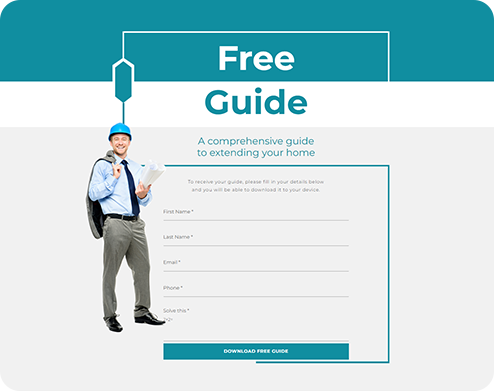
Extend A Home Website: Free Guide Page
  1. Assess and Plan — Conduct a free audit using tools like Google Analytics. Identify gaps in mobile optimisation and local SEO.
  2. Define Your Audience — Create personas based on Sydney demographics. Target high-value suburbs with tailored messaging.
  3. Build Foundations — Launch or redesign a mobile-responsive website optimised for speed and conversions.
  4. Execute Channels — Roll out SEO for organic traffic, paid ads for quick wins, and social content for engagement.
  5. Integrate AI — Pilot tools for personalisation, automation, and analytics. Scale successful elements.
  6. Measure and Optimise — Track KPIs like cost per lead and ROI. Adjust monthly based on performance data.

Allocate 7-10% of revenue to digital efforts, focusing on high-ROI activities. Partner with experts for efficient execution.

Overcoming Common Barriers

Time-poor owners often delay digital adoption. Outsourcing to specialists addresses this, providing tailored, cost-effective solutions. Sydney’s ecosystem offers accessible support to implement hyper-local strategies that competitors miss.

Budget constraints are mitigated by starting small—focus on one channel, measure results, then expand.

Conclusion: Partner with Netstripes for Lasting Success

2026 presents Sydney SMEs with a clear choice: lead digitally or risk falling behind. By embracing AI, personalisation, and strategic execution, you can outpace local competitors, drive sustainable growth, and build resilience.

Netstripes, a leading Sydney-based digital marketing agency and web design company, specialises in helping SMEs like yours. With expertise in digital strategy advisory, high-impact website design, SEO, Google Ads, social media marketing, and data-driven advertising, Netstripes refines your business model, creates world-class online presence, and delivers measurable results. Their holistic approach empowers time-poor owners to compete effectively and achieve goals.

Would you be ready to craft your winning digital strategy? You can contact us today for a complimentary consultation and take the first step towards dominating your local market in 2026.

Affordable Website Maintenance Services for Melbourne SMEs

You finish a deck in the eastern suburbs, and the client is stoked. But while you’re packing up, three other locals just searched ‘carpenter near me’ on their phones. If your name wasn’t in that Google Map Pack, you lost those jobs before they even started

When your business isn’t showing up high – especially in the Google Map Pack – those jobs go straight to the next tradie who is. SEO for carpenters in Australia is all about dominating local searches in your suburbs and cities so you’re the first call when someone needs quality woodwork done.

In 2026, with more Aussies using voice search (“find a good carpenter near me”) and Google prioritising real local proof like reviews, photos of actual jobs, and fast mobile sites, the basics make the biggest difference. Many carpenters see a solid uptick in enquiries within months of sorting their Google Business Profile and adding a few targeted pages.

This guide covers the straightforward steps that work right now for Aussie carpenters and tradespeople. No complicated jargon – just what brings in real leads.

Why SEO for Carpenters is Important in Australia

Word-of-mouth and repeat business are still king, but online search is how most new clients discover you. With housing renos booming in places like Perth, Brisbane, and Melbourne (and timber trends pushing custom work), people search locally for “near me” or suburb-specific help. Good SEO brings ready-to-hire customers straight to you, often without ongoing ad spend.

Strong local rankings with photos of your decks, kitchens, or staircases build trust before they even ring – showing you’re experienced and nearby.

1. Get Your Keyword Research Right for Aussie Local Searches

Skip broad terms like “carpentry” – they’re too competitive. Target what real customers search when they need a job done.

High-intent examples:

  • “carpenter near me”
  • “deck builder [suburb/city]”
  • “custom cabinet maker Melbourne”
  • “kitchen reno carpenter Sydney”
  • “pergola builder Brisbane”
  • “built-in wardrobes Perth”
  • “furniture restoration near me Adelaide”
  • “timber deck repair Gold Coast”

Use free Google Keyword Planner or tools like Ahrefs/SEMrush to find phrases with good searches but realistic competition. Include question-style ones for voice search: “how much does a deck cost in Brisbane?” or “best carpenter for custom joinery in Toorak?”

Create suburbs or service pages around them – group into topics like a main “Carpentry Services” page linking to specific ones for decks, kitchens, or repairs.

Refresh every few months – things shift with housing booms, interest rates, or seasonal outdoor projects.

2. Make Your Website Pages Work Hard for Leads

Your site is your digital showroom.

Key things to fix:

  • Titles & meta descriptions: Lead with location + service, e.g., “Carpenter Melbourne | Custom Kitchens & Decks – [Your Business Name]”
  • Headings: Clear H1 like “Expert Carpentry in Brisbane Southside,” H2 for services (deck building, cabinetry, staircases).
  • Content: 400–800 words per page with real details – timbers you use (treated pine, hardwood, Merbau), process, examples. Add before/after photos with alt text like “custom timber deck installed in Fremantle backyard.”
  • Strong calls-to-action: Prominent “Call Now” or “Get a Free Quote” button, click-to-call on mobile, simple enquiry form.
  • Mobile speed: Loads under 3 seconds – compress images, good hosting.

Add LocalBusiness schema (easy with plugins if on WordPress) so contact info and reviews show nicely in search.

3. Sort Your Google Business Profile – It’s Your Biggest Win

A complete, active Google Business Profile is the single biggest local-ranking lever for trades.

For local trades like carpentry, GBP often decides who gets the enquiry.

Do this straight away:

  • Claim and verify if you haven’t.
  • Complete every section: accurate name, address, phone, website, hours (mention weekends/evenings if you do them).
  • Categories: Primary “Carpenter,” add secondaries like “Cabinet Maker,” “Deck Builder,” “Joiner,” “Furniture Maker.”
  • Photos: Upload fresh ones of completed jobs, in-progress work, your ute/tools, team – post new ones weekly.
  • Posts: Share new projects, tips (“How to maintain your Merbau deck”), seasonal offers.
  • Services: List specifics like “custom pergolas,” “kitchen cabinet installation,” “timber flooring.”
  • Reviews: Ask every satisfied client for one – reply to all quickly and professionally.

Active profile + good reviews = higher Map Pack ranking.

4. Build Consistent Local Citations

List your business on key Aussie directories with matching name, address, phone (NAP):

  • hipages.com.au
  • Service.com.au
  • Yellow Pages
  • TrueLocal
  • Localsearch
  • Oneflare
  • Airtasker (for tradies)
  • Local Google-friendly ones like StartLocal or Hotfrog

Consistency helps Google trust you’re real and local.

For multi-area service, add suburb-specific pages on your site (e.g., “Carpentry Services in Bondi” or “Deck Builders in Geelong”).

5. Showcase Your Work with Photos and Helpful Content

Prove you’re the real deal.

Add:

  • Portfolio/gallery: High-quality before/after shots of kitchens, pergolas, decks, wardrobes.
  • Simple blog or tips: “Best Timbers for Australian Decks in 2026,” “How to Choose a Carpenter for Your Reno,” “Budget Ideas for Built-in Storage.”
  • Short videos: YouTube clips of installations (optimise titles like “Custom Pergola Build in Perth – Time-Lapse”) embedded on site.

This boosts E-E-A-T and keeps your site fresh for Google.

6. Get Natural Links and Social Proof

Quality links from relevant sites help.

Simple ways:

  • Partner with local builders, interior designers, or real estate agents for referrals/links.
  • Get mentioned in community newsletters or suburb Facebook groups.
  • Share standout projects that earn shares or features.

Quality over quantity – focus on Aussie/local relevance.

7. Track Progress and Keep Improving

Use free Google tools:

  • Search Console: See incoming searches and clicks.
  • Analytics: Track calls, forms, enquiries from organic.
  • GBP Insights: Monitor calls, map views, website visits.

Review monthly — push what’s working, fix any drops.

Common Pitfalls to Avoid

  • Thin or copied content.
  • Slow mobile site.
  • Unclaimed or outdated GBP.
  • Inconsistent NAP across directories.

Wrapping It Up

SEO for carpenters in Australia is mainly local: get visible in your suburbs, show real photos of your work, collect reviews, and make contacting you dead easy. Start today – optimise your Google Business Profile, add photos of recent jobs, and build one strong service page (like decks or kitchens).

Do it consistently, and you’ll get more direct calls without relying on paid leads or big portals every month.

At netStripes, we help Aussie tradies and service businesses like carpenters get these steps sorted – from GBP setup and local pages to content that ranks and turns searches into jobs. We keep it practical and focused on real enquiries.

Want a free quick check of your setup and some easy wins to land more carpentry work across your area? Book a no-obligation review at netstripes.com. We’ll spot what’s holding you back and show the fastest ways to stand out in 2026.

12 Tips to Use Google Ads to Drive More Revenue

(Proven Strategies Australian Businesses Are Using Right Now to Lower Costs and Boost Sales)

Google Ads is still the fastest way for Australian businesses to get in front of red-hot buyers — but only if you stop wasting money like 80% of advertisers do.

Here are the 12 highest-ROI tweaks and strategies we implement for Netstripes clients that routinely turn break-even or losing campaigns into 5–15× ROAS machines.

1. Stop Using Broad Match Alone – Switch to Phrase + Exact Match First

Social Media Marketing & Technical Support

Broad match burns budget on irrelevant searches like “free”, “jobs”, “training”.

rule: Launch every campaign with Phrase and Exact match keywords only. Add proven broad-match keywords later with negative lists already in place.

2. Build “Audience-First” Campaigns (Not Keyword-First)

Google now cares more about WHO is searching than WHAT they type.

Layer these audiences on every Search campaign (Observation mode first, then Bid Only):

  • In-market audiences (e.g., “Residential Solar Systems”, “Business Banking”)
  • High-income earners ($150k+ household)
  • Your own remarketing lists (website visitors, customer list uploads)
  • Customer Match + Similar Audiences

Result: 40–120% higher conversion rates at the same CPC.

3. Use Performance Max the Right Way (Don’t Just “Set and Forget”)

P-Max now drives 60%+ of many clients’ revenue — but only when you feed it the right signals:

  • Upload your top 50–100 converting customer emails (Customer Match)
  • Give it 15+ headlines, 5 long headlines, 10+ images, 3 videos
  • Add first-party data segments (high-LTV customers)
  • Use conversion value tracking (not just leads)

4. Track Revenue, Not Just Leads

If you only track form fills or phone calls, Google’s algorithm optimises for quantity, not quality.

Fix: Set up proper value-based bidding:

  • E-commerce → Google Analytics 4 + purchase value import
  • Lead gen → assign different values (e.g., consultation booking = $150, quote request = $50)

Switch to Maximise Conversion Value + target ROAS once you have 30+ conversions.

5. Write Ads That Actually Get Clicked in Australia

Australian searchers hate hype.

Winning ad formula:

Headline 1: [Main Keyword] + Year or Location

Headline 2: Benefit or Social Proof

Description: Features → Benefit → CTA + Urgency

Display URL: YourBrand.com.au/Exact-Keyword

Example:

Electrician Northern Beaches

24/7 Emergency – 250+ 5-Star Reviews

Same-day service across Manly to Palm Beach. Licensed & insured. Call now – we answer 24 hrs.

6. Steal Your Competitors’ Best Keywords with Auction Insights + Search Terms Report

Every week:

  • Export Search Terms Report → add 20–30 converting terms as Exact match
  • Add 50+ junk terms as negatives
  • Check Auction Insights → bid higher on the 2–3 competitors who overlap most

7. Use Responsive Search Ads (RSAs) + Pinning Correctly

Always create 3–4 RSAs per ad group with:

  • 12–15 headlines
  • 4 descriptions Pin your best-performing headline to Headline 1 or 2 (Google still favours pinned assets).

8. Schedule Ads When Your Customers Actually Buy

Most Australian B2B enquiries happen at 7 am–6 pm weekdays.

Most home services peak 7–10 am and 4–8 pm.

Use ad scheduling + bid adjustments:

+80% during peak hours

−50–100% overnight

9. Dominate with Call-Only Campaigns (Mobile Gold for Tradies & Services)

Australian mobile searchers love tapping to call.

Create separate Call-Only campaigns:

  • Only run on mobile
  • Bid 30–50% higher
  • Use “Call for same-day booking” in headlines Average client result: 40–60% lower cost per lead than standard Search

10. Add All 7 Ad Extensions (Now Called “Assets”)

Sites with all extensions turned on get 15–25% higher CTR on average:

  • Sitelinks (with pricing or offers)
  • Callouts (e.g., “Australian Owned”, “Same-Day Service”)
  • Structured snippets
  • Call extension
  • Location + Location (for local)
  • Price assets
  • Promotion assets (Black Friday, EOFY, etc.)

11. Use Smart Bidding – But Only After 50+ Conversions

Google’s Target ROAS and Maximise Conversion Value bidding are scary good in — but they need data.

Don’t switch until you have at least 50 conversions in the last 30 days, or you’ll get terrible results.

12. Run Remarketing Everywhere (Most Ignored Goldmine)

80% of Australian shoppers need 7+ touches before buying.

Set up:

  • Search remarketing (RLSA) – bid 2–3× higher on past visitors
  • YouTube remarketing
  • Display & Gmail remarketing to customer list
  • Dynamic remarketing (show the exact product/service they viewed)

Real Australian Client Result

Sydney solar installer spending $18k/month → losing money

After applying the 12 tips above:

  • Cost per lead dropped from $340 → $96
  • Conversion rate jumped from 3.8% → 11.2%
  • Monthly revenue from Google Ads went from −$4k profit → +$87k profit
  • ROAS improved from 1.1× → 9.8×

Your Google Ads Checklist

  • Tracking revenue/values (not just leads)
  • Performance Max with first-party data
  • Exact + Phrase match foundation
  • All 7 ad assets live
  • Remarketing running on Search + Display + YouTube
  • Weekly negative keyword additions

Ready to Stop Wasting Money and Start Making Serious Profit with Google Ads?

At Netstripes, we manage over $1 million in annual Google Ads spend for Australian businesses every year — with an average client ROAS of 3.7×.

No lock-in contracts. Full transparency. Real revenue growth.

Book your free Google Ads Performance Audit today and discover exactly how many extra sales you’re leaving on the table.

How to Convert Website Visitors into Customers

Having a website is just the starting point for Australian businesses. With over 2.5 million small to medium enterprises (SMEs) across the country, competition is fierce, and simply attracting visitors isn’t enough. The real challenge lies in turning those browsers into paying customers. According to recent data from the Australian Bureau of Statistics, e-commerce sales in Australia reached $62.3 billion in 2023, highlighting the massive potential for online conversions. But how do you bridge the gap between a casual visit and a committed purchase?

At netStripes, a leading website design company in Sydney, we specialise in helping Australian businesses build high-impact websites and implement proven strategies to convert visitors into loyal customers. With over 10,000 strategies refined, 7,000 websites built, and 15,000 campaigns managed, we’ve empowered countless SMEs to achieve digital transformation. In this comprehensive guide, we’ll explore practical, step-by-step strategies tailored to the Australian market.

Table of Contents

Understanding Your Australian Audience

How to Convert Website Visitors into Customers

The first step in converting website visitors is knowing who they are. Australian consumers are savvy, value-driven, and increasingly mobile-first. A report by the Australian Competition and Consumer Commission (ACCC) shows that 87% of Aussies shop online, with preferences leaning towards local brands that offer transparency, fast delivery, and secure payments.

To tap into this, start by creating detailed buyer personas. Consider demographics like age, location (urban vs. regional), and behaviours—such as the high adoption of Afterpay in younger demographics or the preference for eco-friendly options in coastal cities.

Conduct market research using tools like Google Analytics or surveys tailored to Australian users. For instance, if your business targets the Sydney market, factor in the multicultural influences and high disposable incomes. netStripes excels in this area by refining your digital strategy to align with local trends.
We help businesses craft personas that reflect real Australian customers, ensuring your website speaks directly to their needs. Without this foundation, even the flashiest site will fail to convert—visitors will bounce if the content doesn’t resonate.

Once you have personas, segment your traffic. Use website analytics to identify sources: organic search from Google.au, social media referrals from platforms popular in Australia like Facebook and Instagram, or paid ads via Google Ads.

Tailor experiences accordingly—for example, offering region-specific promotions like free shipping to rural areas to combat higher delivery costs. This personalised approach can boost conversion rates by up to 20%, as per industry benchmarks from HubSpot adapted to Australian contexts.

Optimising Website Design and User Experience

How to Convert Website Visitors into Customers

A clunky website is a conversion killer. In Australia, where internet speeds can vary—especially in regional areas—page load times must be under three seconds to retain visitors, according to Google’s standards. Start with responsive design: ensure your site is mobile-optimised, as over 50% of Australian web traffic comes from smartphones (Statista, 2024).

netStripes builds custom, high-impact websites that embody your brand strategy, creating trust and credibility. Our designs follow best practices like intuitive navigation, clear hierarchies, and visually appealing layouts that reflect Australian aesthetics—clean, modern, and user-friendly. Incorporate elements like high-quality images of local landmarks or testimonials from Aussie clients to build relatability.

User experience (UX) enhancements are crucial. Simplify the journey with a logical flow: homepage to product pages to checkout. Use heatmaps (via tools like Hotjar) to identify drop-off points and fix them. For e-commerce sites, integrate seamless payment gateways compliant with Australian standards, such as Stripe or PayPal, and highlight security features to address privacy concerns under the Privacy Act 1988.

Accessibility is non-negotiable. Follow WCAG guidelines to cater to the 4.4 million Australians with disabilities, ensuring features like alt text for images and keyboard navigation. A well-optimised site not only converts better but also ranks higher in search engines, driving more qualified traffic.

Creating Compelling Content That Converts

Content is the heart of conversion. Australian audiences crave value—informative, authentic, and problem-solving material. Shift from generic sales pitches to educational content that positions your brand as an expert. For example, if you’re a Sydney-based tradie, offer blog posts on “How to Choose the Right Solar Panels for Your Aussie Home,” tying into the national push for renewables.

Incorporate storytelling with local flavour: share case studies of businesses in Queensland overcoming floods with your resilient products. Use multimedia—videos, infographics, and interactive quizzes—to engage users longer. netStripes supports this through our holistic digital marketing, creating content that drives results while embodying your strategy.

Optimise for conversions with lead magnets like free eBooks or webinars. Our “State of the Nation” eBook, for instance, provides insights into Australian SME growth, encouraging sign-ups. Place these strategically on high-traffic pages, using pop-ups timed for Australian peak hours (evenings in AEST).

SEO-optimised content is key. Target long-tail keywords like “best coffee machines for Australian homes” to attract intent-driven traffic. Ensure content is scannable: short paragraphs, bullet points, and subheadings. This approach not only boosts dwell time but also nurtures visitors towards purchase.

Implementing Effective Calls to Action (CTAs)

How to Convert Website Visitors into Customers

CTAs are the nudge that turns interest into action. In the Australian context, where consumers are cautious about spam, CTAs must be clear, benefit-focused, and urgent without being pushy. Phrases like “Get Your Free Quote Today” outperform vague ones like “Learn More.”

Place CTAs strategically: above the fold on homepages, at the end of blog posts, and in sidebars. Use contrasting colours—perhaps Aussie green and gold—to make them pop. A/B test variations; for instance, “Claim Your Discount Now” vs. “Start Saving Today” to see what resonates with local users.

Personalise CTAs based on user behaviour. If a visitor from Adelaide views service pages, trigger a CTA for “Book a Free Consultation in SA.” netStripes implements these through our data-driven marketing, ensuring CTAs align with your overall strategy for continuous improvement.

Don’t overlook post-conversion CTAs, like upsell prompts during checkout, compliant with Australian Consumer Law to avoid misleading claims.

Leveraging SEO and Digital Marketing

To convert visitors, you need the right ones first. SEO tailored to Australia means optimising for local search: include “near me” terms and claim your Google My Business listing. With Google’s dominance in Australia (over 90% market share), focus on E-A-T (Expertise, Authoritativeness, Trustworthiness) to rank higher.

Complement SEO with paid channels. Google Ads, Facebook, Instagram, and LinkedIn Ads are staples for Aussie businesses. Use retargeting to re-engage visitors who abandoned carts—remind them with ads featuring products they viewed, perhaps with a “10% Off for First-Time Buyers” incentive.

Email marketing nurtures leads: send welcome series with Australian-specific tips. netStripes handles all this in our promote and support services, including SEO, ads, and tech support, so you can focus on your business.

Social proof via user-generated content, like reviews on ProductReview.com.au, builds trust. Integrate these into your site for higher conversions.

Utilising Analytics and A/B Testing

Data is your ally. Tools like Google Analytics provide insights into Australian user behaviour—track metrics like bounce rate (aim below 50%), conversion paths, and device usage. Identify bottlenecks: if mobile users from rural NSW drop off, optimise for slower connections.

A/B testing refines elements: test headlines, images, or layouts. For example, compare a CTA button in blue vs. red for click-through rates. Use tools like Optimizely for robust testing.

netStripes offers monthly metric reviews, driving continuous improvement. Our experts analyse data to tweak strategies, ensuring your site evolves with market changes, like post-COVID shifts in online shopping.

Building Trust and Credibility

How to Convert Website Visitors into Customers
Web Solution

Trust is paramount in Australia, where scams are a concern (ACCC reports $2 billion in losses annually). Display trust signals: SSL certificates, privacy policies, and badges from bodies like the Australian Made Campaign.

Showcase testimonials and case studies from local clients. netStripes builds credibility through world-class designs that embody your brand, helping you compete with larger players.

Transparent pricing and guarantees reduce hesitation. Offer live chat for real-time support, aligning with Aussies’ preference for quick resolutions.

Conclusion: Partner with netStripes for Conversion Success

Converting website visitors into customers requires a blend of strategy, design, and marketing—all tailored to the Australian market. By understanding your audience, optimising UX, creating compelling content, crafting strong CTAs, leveraging SEO, analysing data, and building trust, you can transform your site into a revenue machine.

At netStripes, we’re dedicated to SME success. We refine your strategy, build exceptional websites, and manage digital marketing to drive conversions. Ready to take the next step? Use our free assessment tool for an instant report, or contact us today to discuss how we can help your business thrive.

Social Media Marketing Strategy Guide

In Australia’s dynamic digital landscape, a well-crafted social media marketing strategy is vital for businesses looking to stand out. With millions of Aussies active on platforms like Facebook, Instagram, TikTok, and X, social media is a powerful tool for building brand loyalty, engaging local communities, and driving growth. As we move through 2025, where short-form videos and AI-driven content dominate.

A tailored social media marketing strategy can elevate your business in the competitive Australian market. This guide, designed for Australian companies, outlines the steps to develop, implement, and optimise your strategy, incorporating local trends and insights.

Recent data highlights that social media marketing has shifted to a data-driven approach, with experimentation and audience listening at its core. Whether you’re a small business in Sydney, a retailer in Melbourne, or a startup in Brisbane, aligning your efforts with Australian audience preferences and platform algorithms is key. Let’s explore how to do it.

Table of Contents

Understanding Your Australian Audience: The Foundation of Your Strategy

Social Media Marketing Strategy

The heart of any social media marketing strategy is understanding your Australian audience. Who are they? Which platforms do they use? What challenges do they face that your business can address?

Start by creating buyer personas tailored to the Australian market. Consider demographics like age, location (urban vs. regional), and cultural interests. For example, younger Aussies in cities like Perth or Adelaide are drawn to TikTok and Instagram for trendy, visual content, while professionals in Canberra may prefer LinkedIn.

Use tools like Google Analytics or Facebook Insights, supplemented by local market research, to gather data. In 2025, AI-powered social listening tools can track real-time conversations across Australia, capturing sentiments on topics like sustainability or local events.

Factor in regional nuances—Queenslanders may respond to beach-themed content, while Victorians might engage with arts and culture. Personalisation is critical; craft messages that resonate with Aussie values like community, authenticity, and humour.

By understanding your Australian audience, you ensure your social media marketing strategy is targeted, maximising engagement and ROI.

Setting Clear Goals: Aligning with Your Business Objectives

Social Media Marketing Strategy

A social media marketing strategy without clear goals is like navigating the Outback without a map. Define SMART (Specific, Measurable, Achievable, Relevant, Time-bound) objectives that align with your business goals, whether you’re a café in Bondi or a tech firm in Adelaide.

Common goals for Australian businesses include boosting brand awareness in local markets, driving foot traffic to physical stores, generating online leads, or increasing e-commerce sales. For instance, a goal might be to increase Instagram followers by 15% among Melbourne-based customers in six months. Track metrics like engagement rate, website clicks, or store visits.

In 2025, leverage AI to set smarter goals. AI tools can analyse Australian consumer behaviour and suggest optimal posting times for maximum reach. Avoid vague goals like “grow followers”—instead, aim for specifics like “generate 300 leads from Facebook ads targeting NSW by Q3.”

Regularly review goals using local data insights to stay agile in Australia’s fast-evolving digital space.

Choosing the Right Platforms: Where Australian Audiences Connect

Not all platforms suit every Australian business. Focus on those where your target audience is active to avoid wasting resources.

In 2025, key platforms for Australia include:

  • Facebook: With over 15 million Australian users, it’s ideal for local businesses, community engagement, and e-commerce.
  • Instagram: Perfect for visual storytelling, appealing to younger Aussies with Reels and Stories, especially in urban hubs.
  • TikTok: A go-to for Gen Z in Australia, great for viral, fun content that resonates with local trends like #AussieSummer.
  • LinkedIn: Essential for B2B businesses targeting Australian professionals, especially in Sydney and Melbourne.
  • X: Useful for real-time updates, customer service, and tapping into local conversations like sports or politics.
  • YouTube: Strong for tutorials, brand stories, and SEO, appealing to Aussies seeking informative content.

Australian platform usage shows Facebook and Instagram leading, with TikTok growing rapidly among under-30s.

Start with 2-3 platforms that align with your audience. Use features like Instagram’s shopping tags or TikTok’s local hashtag challenges (#SydneyEats) to boost your social media marketing strategy.

Content Creation and Planning: Engaging Aussie Audiences

Content drives any social media marketing strategy. In Australia’s 2025 market, prioritise high-quality, locally relevant content over frequent posting. Formats like Instagram Reels and TikTok videos outperform static posts.

Create a content calendar tailored to Australian events, holidays (like Australia Day or Anzac Day), and seasonal trends (summer campaigns for coastal regions). Blend educational, entertaining, and promotional content in an 80/20 ratio. Encourage user-generated content, like customers sharing photos at your Melbourne café, to build authenticity.

Use AI tools to generate captions or edit videos that resonate with Aussie slang and culture. High-quality visuals—think vibrant images of the Great Barrier Reef or urban Sydney shots—can increase engagement by up to 94%.

Incorporate storytelling to connect with Aussies. Share stories of local impact, like how your business supports regional communities. Optimise for mobile, as most Australians access social media via smartphones.

Post consistently, but keep it authentic to avoid algorithm penalties.

Engagement and Community Building: Connecting with Aussies

Social Media Marketing Strategy

A successful social media marketing strategy in Australia thrives on two-way engagement. Respond quickly to comments and messages to build trust with local followers.

Run interactive campaigns like polls on X about local issues or Instagram Live sessions showcasing your Perth store. Partner with Australian influencers—think lifestyle creators in Byron Bay or fitness gurus in Brisbane—to expand reach. In 2025, AI chatbots can handle routine queries, freeing time for meaningful connections.

Use social listening to monitor sentiments around local topics, like sustainability or community events, to stay relevant. A loyal Aussie community drives organic growth and word-of-mouth referrals.

Analytics and Optimisation: Measuring Success in Australia

Data is critical to refining your social media marketing strategy. Use platform analytics or tools like Hootsuite to track KPIs like engagement rate, click-throughs, and conversions among Australian users.

Test what resonates—perhaps TikTok videos perform better in Queensland than Facebook posts in Tasmania. Run A/B tests on ad copy or visuals tailored to local audiences. AI-driven predictive analytics can optimise ad spend by forecasting Australian trends.

Conduct monthly or quarterly audits to spot gaps. Adjust your strategy, like focusing on high-performing platforms or tweaking content for regional preferences.

Optimisation ensures your strategy delivers measurable results for your Australian business.

Emerging Trends for 2025: Staying Ahead in Australia

Social Media Marketing Strategy

To keep your social media marketing strategy competitive, embrace 2025 trends relevant to Australia. Experiment with formats like AR filters or interactive Stories to engage tech-savvy Aussies. Social commerce, like Instagram’s in-app shopping, will grow, especially for retail businesses in urban centres.

AI for personalisation and automation is essential, helping tailor content to local tastes. Authenticity matters as Aussies tire of generic ads—focus on community-driven content. Audio content on X Spaces or platforms like Clubhouse will gain traction for local discussions.

Sustainability and social responsibility resonate strongly with Australian audiences, especially younger ones. Stay updated on privacy laws and algorithm shifts to adapt quickly.

Conclusion: Elevate Your Australian Social Media Presence

A winning social media marketing strategy for Australian businesses requires deep audience insights, clear goals, strategic platform choices, compelling content, active engagement, data-driven optimisation, and trend awareness. In 2025, brands that leverage AI, video content, and authentic Aussie connections will thrive.

Ready to take your social media to the next level? At netStripes, we help Australian businesses craft their social media marketing strategy and provide expert social media marketing management services. As a top digital marketing agency in Australia, our tailored solutions have empowered businesses from Sydney to Perth to achieve digital success. Contact us today to get started!

Search Engine Optimisation Strategy Guide 2025

With billions of searches happening every day, having a robust search engine optimisation strategy is no longer optional—it’s essential for businesses aiming to thrive online. Whether you’re a small business owner in Sydney or a growing enterprise, an effective SEO strategy can catapult your website to the top of search engine results pages (SERPs), attract high-quality traffic, and convert visitors into loyal customers.

This comprehensive guide will walk you through the fundamentals, advanced tactics, and best practices for crafting a winning search engine optimisation strategy. By the end, you’ll have actionable insights to implement or refine your approach, ensuring your brand stands out in a competitive market.

Understanding the Basics of Search Engine optimisation Strategy

Search Engine Optimisation Strategy

At its core, a search engine optimisation strategy is a planned approach to improving your website’s visibility on search engines like Google, Bing, and Yahoo. It involves optimising various elements of your site and online presence to align with search algorithms, user intent, and industry trends. Unlike paid advertising, which delivers immediate but temporary results, SEO focuses on organic growth that builds long-term authority and trust.

Why invest in a search engine optimisation strategy? Consider this: Over 90% of online experiences begin with a search engine, and the first page of Google captures about 95% of all search traffic. A well-executed strategy not only increases visibility but also enhances user experience, boosts credibility, and drives measurable ROI. For small and medium-sized enterprises (SMEs), it’s a cost-effective way to compete with larger players without massive ad budgets.

To build a solid foundation, start by auditing your current online presence. Tools like Google Analytics, Google Search Console, and SEMrush can reveal your site’s strengths and weaknesses. Identify your target audience, business goals, and competitors. This initial assessment sets the stage for a tailored search engine optimisation strategy that aligns with your brand’s objectives.

Keyword Research: The Cornerstone of Your Search Engine optimisation Strategy

No search engine optimisation strategy is complete without thorough keyword research. Keywords are the terms and phrases your potential customers use when searching for products, services, or information related to your business. Effective research goes beyond high-volume terms; it uncovers long-tail keywords—specific, multi-word phrases with lower competition and higher conversion potential.

Begin with brainstorming core topics relevant to your industry. For a web design company in Sydney, keywords might include “web design services Sydney” or “affordable SEO for small businesses.” Use tools like Google’s Keyword Planner, Ahrefs, or Moz to analyse search volume, competition, and intent. Categorise keywords into:

  • Primary Keywords: High-volume terms like “search engine optimisation strategy” that define your main offerings.
  • Secondary Keywords: Supporting terms such as “SEO best practices” or “on-page SEO techniques.”
  • Long-Tail Keywords: Niche phrases like “how to create an SEO strategy for e-commerce sites.”

Incorporate these naturally into your content, avoiding keyword stuffing, which can lead to penalties. Remember, search engines prioritise user intent—informational, navigational, commercial, or transactional. Align your keywords with the buyer’s journey: awareness, consideration, and decision stages.

On-Page SEO: Optimising Content for Maximum Impact

Search Engine Optimisation Strategy

On-page SEO refers to optimisations made directly on your website to improve its relevance and usability. This is a critical pillar of any search engine optimisation strategy, as it directly influences how search engines crawl and index your pages.

Start with title tags and meta descriptions. Your title tag should be compelling, under 60 characters, and include your primary keyword. Meta descriptions, while not a direct ranking factor, boost click-through rates when they’re engaging and keyword-rich (aim for 150-160 characters).

Headers (H1, H2, H3) structure your content, making it scannable for users and bots. Use them to incorporate keywords logically. For instance, this section’s H2 could be “Mastering On-Page Elements in Your Search Engine optimisation Strategy.”

Content quality is paramount. Create in-depth, valuable pieces that answer user queries comprehensively. Aim for 1,500+ words on pillar pages, backed by data, images, and internal links. Optimise images with alt text including keywords, compress files for faster loading, and ensure mobile responsiveness—Google’s mobile-first indexing demands it.

URL structure matters too: Keep them short, descriptive, and keyword-inclusive (e.g., /search-engine-optimisation-strategy-guide). Finally, enhance user experience with fast load times (under 3 seconds), intuitive navigation, and secure HTTPS protocols.

Off-Page SEO: Building Authority and Trust

While on-page focuses inward, off-page SEO builds your site’s reputation externally. A strong search engine optimisation strategy includes link-building, social signals, and brand mentions to signal authority to search engines.

Backlinks—links from other reputable sites to yours—are gold. Prioritise quality over quantity; a link from a high-domain-authority site over low-quality directories. Strategies include guest blogging, influencer collaborations, and creating shareable content like infographics or case studies.

Leverage social media to amplify your reach. Platforms like LinkedIn, Facebook, and Instagram drive traffic and indirect SEO benefits through shares and engagements. Encourage user-generated content and reviews on sites like Google My Business, which boost local SEO.

Monitor your backlink profile with tools like Ahrefs to disavow toxic links. Aim for a natural link velocity—sudden spikes can raise red flags. Remember, off-page SEO is about relationships: Network at industry events, partner with complementary businesses, and contribute to forums like Reddit or Quora.

Technical SEO: The Backbone of Performance

Technical SEO ensures your site is crawlable, indexable, and performant. Often overlooked, it’s the foundation that supports your entire search engine optimisation strategy.

Implement a clean sitemap.xml and robots.txt to guide search engine bots. Fix crawl errors, duplicate content, and broken links using Google Search Console. Schema markup (structured data) helps search engines understand your content, enabling rich snippets like star ratings or FAQs in SERPs.

Site speed is crucial—use tools like PageSpeed Insights to optimise. Compress images, minify CSS/JS, and leverage browser caching. Ensure AMP (Accelerated Mobile Pages) for news-heavy sites.

Core Web Vitals—metrics like Largest Contentful Paint (LCP), First Input Delay (FID), and Cumulative Layout Shift (CLS)—are now ranking factors. Aim for green scores to avoid penalties.

For e-commerce or multi-language sites, handle canonical tags, hreflang attributes, and redirects properly. Regular audits (quarterly) keep technical issues at bay, ensuring your strategy evolves with algorithm updates like Google’s Helpful Content Update.

Content Strategy: Fueling Your Search Engine optimisation Efforts

Content is king in SEO, but only when strategically planned. Integrate a content calendar into your search engine optimisation strategy to produce consistent, high-value material.

Focus on evergreen content that remains relevant, supplemented by timely pieces on trends. Use topic clusters: A pillar page (broad topic) linked to cluster content (specific subtopics). This boosts topical authority.

Incorporate multimedia—videos, podcasts, and interactive elements—to engage users longer, reducing bounce rates. User-generated content, like testimonials, adds authenticity.

Optimise for voice search with conversational keywords (e.g., “what is the best search engine optimisation strategy for beginners?”). E-A-T (Expertise, Authoritativeness, Trustworthiness) is vital for YMYL (Your Money or Your Life) topics—back claims with sources and author bios.

Measure content performance with metrics like organic traffic, dwell time, and conversions. Refresh old content annually to maintain rankings.

Local SEO: Targeting Regional Audiences

Search Engine Optimisation Strategy

For businesses like those in Sydney, local SEO is a game-changer within your search engine optimisation strategy. It optimises for “near me” searches and Google Maps visibility.

Claim and optimise your Google My Business profile with accurate NAP (Name, Address, Phone) details, photos, and reviews. Encourage positive reviews and respond promptly.

Use location-specific keywords (e.g., “SEO strategy Sydney”) in content and meta tags. Build local citations on directories like Yelp and Yellow Pages.

Geo-targeted content, like blog posts on “Top SEO Trends for Australian SMEs,” attracts regional traffic. Participate in local events and earn backlinks from community sites.

Measuring Success and Avoiding Common Pitfalls

Track your search engine optimisation strategy with KPIs: organic traffic, keyword rankings, conversion rates, and backlink growth. Tools like Google Analytics provide insights; set up goals for lead forms or purchases.

Common mistakes include ignoring mobile optimisation, over-relying on keywords without intent, or neglecting updates. Black-hat tactics like cloaking or buying links invite penalties—stick to white-hat methods.

Stay agile: SEO is dynamic. Monitor algorithm changes via resources like Search Engine Journal.

Future Trends in Search Engine optimisation Strategy

Looking ahead, AI-driven search (e.g., Google’s Search Generative Experience) emphasises natural language and zero-click results. Visual search via Google Lens grows, so optimise images. Sustainability and inclusivity (e.g., accessible design) may influence rankings.

Voice and video SEO will rise with smart devices. Prepare by focusing on featured snippets and YouTube optimisation.

In conclusion, mastering a search engine optimisation strategy requires a holistic approach blending research, optimisation, and analysis. It’s not a one-time effort but an ongoing process that adapts to evolving digital trends.

For businesses seeking expert guidance, netStripes is a top SEO Agency in Australia that specialises in helping SMEs like yours plan and execute effective SEO strategies. With our digital transformation services, including custom high-impact websites and data-driven marketing, we refine your online presence to drive growth, build trust, and achieve measurable results. Contact us today to get a free assessment and start your journey toward SEO success.

How to Choose Digital Marketing Agency in Australia: A Comprehensive Guide

Over 28 million Australian internet users drove an estimated AUD $13 billion in digital ad spend in 2025 (Interactive Advertising Bureau Australia), making a robust online presence critical for business success. Whether you’re a small business aiming to boost e-commerce sales or a growing enterprise seeking brand visibility, partnering with the right digital marketing agency can transform your trajectory. However, choosing poorly risks wasting budgets and missing big opportunities.

With Australia’s unique market dynamics—stringent privacy laws like the Australian Privacy Principles (APPs), local search trends, and a mobile-first audience—selecting an agency with local expertise is non-negotiable. This guide provides a detailed roadmap to choosing the perfect digital marketing agency in Australia. From defining goals to evaluating expertise, we’ll cover every step to ensure your decision drives measurable growth.

How to Choose a Digital Marketing Agency in Australia

How to Choose a Digital Marketing Agency in Australia

1. Define Your Business Objectives and Needs

Before exploring agencies, you need to clarify your goals first. Are you aiming to increase website traffic, generate leads, or boost online sales? In Australia, where e-commerce sales reached AUD $62 billion in 2023 (Australia Post eCommerce Report), your objectives might include growing your online store’s conversions or enhancing brand awareness among specific demographics.

Conduct an internal audit using tools like Google Analytics to identify gaps. Perhaps your site struggles with mobile optimisation or your social media engagement lags among younger audiences. Set SMART goals (Specific, Measurable, Achievable, Relevant, Time-bound), such as “Increase organic search traffic by 25% in six months, targeting Australian consumers.”

Consider your industry: a B2B tech firm needs LinkedIn lead generation, while a retail brand might prioritise Instagram’s shoppable features. Budget is key! Australian agencies typically charge AUD $3,000–$15,000 monthly (Statista). Aim for a partner delivering a 3:1 ROI, common in Australia’s mature market. Create a brief outlining your goals, target audience (e.g., urban professionals or rural SMEs), and KPIs to streamline your search.

2. Research and Shortlist Agencies with Australian Expertise

Australia’s digital marketing ecosystem is vibrant, with thousands of agencies listed on platforms like Clutch or the Australian Marketing Institute (AMI). Prioritise agencies with a strong Australian presence to ensure compliance with local laws like the Spam Act 2003 and cultural alignment with consumer behaviours, such as peak shopping during Boxing Day sales. Check LinkedIn for local client endorsements and X for real-time industry insights via hashtags like #AusMarketing.

Shortlist 5–7 agencies, focusing on those offering Australia-specific strategies. A comparison table helps:

Agency NameCore ServicesYears in MarketNotable Clients
netStripesSEO, PPC, Social, Content10+Leading AU brands
Agency BContent, Email7AU e-commerce
Agency CInfluencer, E-com5Retail giants

This organises your evaluation, highlighting agencies like netStripes with proven local expertise.

3. Evaluate Local Market Experience and Capabilities

Experience in Australia’s digital landscape is critical. With 60% of Aussies accessing the internet via mobile (Australian Bureau of Statistics), agencies must excel in responsive design and AMP-optimised content. Request case studies showcasing local successes, like boosting an e-commerce store’s conversions through geo-targeted Google Ads or optimizing a service business’s site for voice search.

Look for certifications like Google Partner status (Search, Display, Analytics) or HubSpot Inbound, ensuring proficiency in tools like SEMrush for local keyword research. Ask about their team: A blend of strategists, creatives, and analysts, ideally 70%+ Australian-based, ensures cultural relevance.

In Australia, where Facebook boasts 18 million users and TikTok grows 20% YoY among under-25s, agencies must integrate channels seamlessly. netStripes, for instance, leverages data-driven strategies to align with local trends, ensuring campaigns resonate with Australian audiences.

4. Analyze Case Studies, Testimonials, and References

How to Choose a Digital Marketing Agency in Australia

Case studies are your window into an agency’s impact. Look for detailed examples with: a challenge (e.g., low conversion rates for an online retailer), strategy (e.g., PPC retargeting via Facebook Pixel), results (e.g., 120% ROI in four months), and learnings. netStripes provides transparent case studies, showcasing successes like driving 40% lead growth for Australian businesses.

Check testimonials on LinkedIn or Google Reviews, prioritising specific feedback from local clients, such as “They doubled our e-commerce sales during peak seasons.” Beware vague praise. Request 2–3 references and ask targeted questions: “How did they handle campaign pivots during algorithm changes?” or “Were reports actionable?”

In Australia, where 70% of consumers rely on reviews before purchasing (Nielsen), verified feedback on platforms like Clutch is invaluable. netStripes’ consistent 5-star reviews reflect their commitment to measurable results.

5. Assess Services, Pricing, and ROI Potential

Agencies offer varied services: full-service (SEO, PPC, social, content) or specialised (e.g., SEO-only for niche markets). Ensure their offerings align with your needs—local SEO (Google My Business optimisation), compliance with Australian Consumer Law, and culturally relevant content (e.g., inclusive campaigns for diverse audiences).

Pricing models include retainers (AUD $5,000–$10,000/month for mid-tier), project-based, or performance-based fees. Demand transparency—no hidden costs for tools like A/B testing. ROI projections are critical: Expect forecasts like Customer Acquisition Cost under AUD 50 for e-commerce, tracked via shared dashboards (e.g., Google Data Studio). netStripes tailors pricing to deliver sustainable ROI, aligning with Australian market benchmarks.

6. Prioritise Communication and Cultural Alignment

Effective collaboration hinges on communication. In Australia’s time zones, agencies should offer responsive channels like Slack or Zoom, with weekly check-ins. Test responsiveness with pre-RFP queries. Reports should be clear—monthly PDFs with visuals on traffic sources and actionable insights, not raw data.

Cultural fit is vital. Do they understand Australian consumer behaviour, like humour in social copy or local slang? netStripes’ Australian-based team ensures campaigns resonate, whether crafting playful retail ads or professional B2B content. Hybrid collaboration (virtual and in-person) fosters stronger partnerships post-COVID.

7. Spot Red Flags

Avoid agencies promising “guaranteed #1 Google rankings” (impossible due to algorithm complexity) or lacking clear contracts with exit clauses. High turnover in reviews suggests instability, and no local case studies signal inexperience. Non-compliance with ACCC advertising guidelines is a deal-breaker. netStripes stands out with transparent processes and proven Australian results.

Conclusion: Partner with netStripes for Australian Success

Choosing a digital marketing agency in Australia demands a strategic approach—defining goals, evaluating local expertise, and ensuring cultural alignment. By following this guide, you’ll avoid pitfalls and find a partner that drives growth in Australia’s competitive digital landscape.

netStripes, a leading Australian digital marketing agency, has over a decade of experience empowering businesses to thrive. From boosting e-commerce conversions to amplifying brand reach, our data-driven strategies comply with local regulations and deliver measurable ROI. Whether you’re targeting urban professionals or regional markets, netStripes crafts tailored campaigns that resonate with Australian audiences. Ready to elevate your digital presence? Visit netstripes.com.au to unlock your business’s potential today.

E-Commerce Digital Marketing Strategy Guide

The marketing landscape has undergone a profound transformation. No longer confined to traditional mediums like television commercials or roadside billboards, businesses are now thriving in the digital realm. At netStripes, we believe a robust online presence is non-negotiable for any e-commerce venture aiming for long-term success. If your business isn’t leveraging digital channels, you’re leaving substantial revenue on the table.

Digital marketing encompasses a diverse range of tactics, including social media engagement, email campaigns, and search engine optimisation (SEO). Complementary approaches such as pay-per-click (PPC) advertising, content marketing, influencer collaborations, and affiliate programs further amplify your reach. For e-commerce businesses, the challenge lies in selecting the right mix of strategies that align with your goals. It can feel overwhelming at first, but with a structured plan, you can navigate this terrain effectively.

Why Every E-Commerce Business Needs a Solid Digital Marketing Strategy

Smart Insights reveal a startling reality: nearly half of all brands operate without a defined digital marketing strategy, and a significant portion fail to integrate it into their overall marketing efforts. This lack of direction makes it difficult to measure success, iterate on failures, and scale operations. At netStripes, we’ve seen firsthand how a well-crafted strategy can turn underperforming online stores into revenue powerhouses.

Unlike traditional marketing, which often relies on broad, one-size-fits-all messaging, digital marketing demands precision. Today’s consumers are informed, selective, and expect personalised experiences. They research products online, read reviews, and compare prices before making a purchase. A strategic digital approach allows you to target these savvy shoppers cost-effectively, driving traffic, conversions, and loyalty.

Whether you’re a startup launching your first online store or an established retailer looking to expand, partnering with a digital expert like netStripes can provide the guidance you need. But if you’re ready to dive in yourself, follow this comprehensive guide to crafting your e-commerce digital marketing strategy.

Step-by-Step Guide to Crafting Your E-Commerce Digital Marketing Strategy

Building an effective strategy requires a methodical approach. Here at netStripes, we recommend these seven key steps to ensure your efforts are targeted, measurable, and scalable:

  1. Define Your Business Goals and Objectives
  2. Develop Detailed Buyer Personas
  3. Identify Your Audience’s Online Hangouts
  4. Audit Your Current Digital Channels
  5. Leverage Automation and Personalisation Tools
  6. Prioritise Mobile Optimisation
  7. Monitor, Measure, and Iterate

Let’s explore each step in detail.

1. Define Your Business Goals and Objectives

The foundation of any successful strategy is clarity on what you aim to achieve. Without specific goals, your marketing efforts can become scattered and ineffective. We advocate using the SMART criteria—Specific, Measurable, Achievable, Relevant, and Time-bound—to set benchmarks that guide your actions.

For an e-commerce business, goals might include boosting sales, expanding your customer base, or improving brand awareness. Consider these examples:

  • Increase overall website conversions by 25% within the next quarter through targeted email campaigns.
  • Roll out three new product promotions by the end of the year, including a limited-time discount and a bundle offer.
  • Grow your email subscriber list to 15,000 and achieve 50,000 monthly unique visitors by optimising SEO and content.

By setting these goals, you create a roadmap. Track progress using tools like Google Analytics or e-commerce platforms such as Shopify’s built-in dashboards. Regularly review and adjust to stay on course. At netStripes, our clients often see a 30-50% uplift in key metrics after implementing SMART goals.

2. Develop Detailed Buyer Personas

Knowing your audience is paramount in e-commerce. Buyer personas are semi-fictional representations of your ideal customers, built from data and insights. Use tools like Google Analytics, Facebook Insights, or customer surveys to gather information on demographics, behaviours, and preferences.

A well-rounded persona might look like this:

  • Alexandra, 28-35 years old: A working professional with a young family, residing in urban areas. She shops online for convenience, prioritises eco-friendly products, and is influenced by social proof like user reviews. Her pain points include time constraints and budget limitations, while her aspirations involve sustainable living and family wellness.

Key questions to ask when building personas:

  • What challenges does your product solve for them?
  • What are their online shopping habits, preferred payment methods, and deal-breakers?
  • Who are their influencers—friends, bloggers, or celebrities?

Incorporate psychographics, such as values and lifestyle, to make personas more actionable. For instance, if your e-commerce store sells fitness gear, target personas who frequent health forums or follow wellness influencers on Instagram. This level of detail ensures your marketing resonates, leading to higher engagement rates.

3. Identify Your Audience’s Online Hangouts

Once you know who your customers are, pinpoint where they spend their time digitally. This step involves analysing data to determine the most effective channels for reaching them.

For example:

  • If you’re in the fashion industry, platforms like Instagram and Pinterest are goldmines for visual discovery.
  • B2B e-commerce might thrive on LinkedIn for professional networking.
  • Search engines like Google are crucial for intent-based queries, such as “best wireless earbuds under $100.”

Use analytics to track referral sources. If a significant portion of your traffic comes from TikTok, invest in short-form video content. For immediate needs, like emergency purchases, PPC ads on Google can capture high-intent users. Budget-conscious shoppers might respond well to targeted Facebook ads highlighting flash sales.

At netStripes, we help clients map these touchpoints, often uncovering untapped opportunities like Reddit communities or niche forums that drive qualified traffic.

4. Audit Your Current Digital Channels

Before expanding, evaluate what’s already in place. Conduct a thorough audit of your website, social media profiles, email lists, and ad campaigns. Identify strengths, weaknesses, and gaps.

Ask:

  • Is your website user-friendly, with fast load times and intuitive navigation?
  • Which social channels generate the most engagement and sales?
  • Are your PPC campaigns yielding a positive ROI?

For instance, if your site attracts only 200 monthly visitors but your goal is 2,000, consider revamping your blog with SEO-optimised content or improving product pages with high-quality images and videos. Tools like SEMrush or Ahrefs can provide insights into performance metrics. Discontinue underperforming channels to reallocate resources effectively.

This audit phase is where many e-commerce businesses falter, but it’s essential for optimisation. netStripes’ audits have helped clients double their traffic by focusing on high-impact areas.

5. Leverage Automation and Personalization Tools

In the competitive e-commerce space, personalisation is a game-changer. Automation tools allow you to deliver tailored experiences at scale. Segment your audience based on past behaviors—such as abandoned carts or browsing history—and send personalised emails via platforms like Mailchimp or Klaviyo.

Retargeting ads on Facebook or Google can remind users of viewed products, increasing conversion rates by up to 70%. Implement chatbots for real-time customer support and dynamic pricing for personalised offers.

Benefits include:

  • Improved customer satisfaction through relevant recommendations.
  • Higher retention rates with loyalty programs automated via CRM systems.
  • Efficient resource use, freeing your team for strategic tasks.

Start small: Automate welcome emails for new subscribers, then scale to complex funnels. netStripes specialises in integrating these tools seamlessly into your strategy.

6. Prioritise Mobile Optimization

With mobile devices accounting for over 55% of global web traffic, ignoring mobile is a costly mistake. Ensure your e-commerce site is responsive, adapting to screens of all sizes, including tablets and wearables.

Key mobile best practices:

  • Compress images for faster loading (aim for under 3 seconds).
  • Use large, tappable buttons and readable fonts.
  • Implement mobile-specific SEO, like voice search optimisation.
  • Test email campaigns on mobile to avoid formatting issues.

Google’s mobile-first indexing means non-optimised sites rank lower. Tools like Google’s Mobile-Friendly Test can highlight improvements. At netStripes, we’ve optimised sites that saw a 40% increase in mobile conversions post-implementation.

7. Monitor, Measure, and Iterate

A strategy isn’t set in stone. Use KPIs like conversion rate, customer acquisition cost (CAC), and return on ad spend (ROAS) to track performance. Tools such as Google Analytics, Hotjar for heatmaps, and A/B testing platforms help refine tactics.

Schedule monthly reviews to celebrate wins and address shortfalls. For example, if email open rates drop, experiment with subject lines. This iterative approach ensures sustained growth.

Additional Tips for E-Commerce Success

Highlight Your Unique Value Proposition (UVP): What makes your store stand out? Whether it’s free shipping, exclusive products, or exceptional customer service, weave your UVP into all marketing materials. Think of Amazon’s Prime delivery—it’s a differentiator that builds loyalty.

Invest in Content Marketing and Blogging: Create valuable content like how-to guides, product reviews, and industry insights. This boosts SEO, positions you as an expert, and nurtures leads. Aim for consistent posting, optimised with keywords like “e-commerce digital marketing strategy.”

Prepare for Scalability: As leads pour in, ensure your operations can handle the influx. Train staff, integrate inventory management software, or outsource fulfillment to avoid bottlenecks.

Explore Emerging Trends: Stay ahead with tactics like AI-driven recommendations, AR try-ons for products, or social commerce integrations on platforms like Instagram Shopping.

Wrapping Up: Take Action Today

Crafting an e-commerce digital marketing strategy is an ongoing journey that demands commitment and adaptability. Start with these steps, create a content calendar, budget wisely, and monitor results diligently. If it feels daunting, netStripes is here to help. As Australia’s leading digital specialist for SMEs, we offer tailored solutions to elevate your online presence and drive revenue growth.

How Much Do Google Ads Cost in Australia in 2025?

Aussie businesses are relying on Google Ads to drive traffic, generate leads, and boost sales. But one question keeps popping up for marketers and business owners: how much do Google Ads cost? The answer isn’t simple. Google Ads operates on a dynamic, auction-based system, where costs fluctuate based on competition, strategy, and targeting. For Australian companies, understanding the intricacies of Google Ads costs is crucial in competitive markets.

This guide dives into the Google Ads cost landscape for 2025, tailored specifically for Australia. We’ll break down the pricing model, key factors affecting costs, average benchmarks, campaign breakdowns, budgeting tips, and optimisation strategies. Whether you’re a small e-commerce shop or a B2B service provider, this knowledge will help you allocate your marketing budget more effectively. By the end, you’ll have a clear roadmap to make Google Ads work harder for your bottom line.

Understanding the Google Ads Pricing Model

Google Ads cost

Google Ads isn’t about fixed prices; it’s an auction system built to reward relevance and performance. Every time someone searches on Google, an auction happens in milliseconds to decide which ads show up—and at what Google Ads cost. Advertisers bid on keywords, but you only pay when someone interacts with your ad, usually via a click (Cost Per Click or CPC).

There are several campaign types, each with its own billing method:

  • Search Ads: Text ads appearing above organic results. Billed on CPC, perfect for intent-driven queries.
  • Display Ads: Visual banners on the Google Display Network (millions of websites). Often uses Cost Per Mille (CPM) for impressions or CPC.
  • Video Ads: On YouTube, billed via views (CPV) or CPC.
  • Shopping Ads: Product listings for e-commerce, CPC-based.
  • Performance Max: AI-driven campaigns across all Google channels, optimising for conversions.

Bidding strategies shape Google Ads cost. Manual bidding lets you set exact amounts per click, while Smart Bidding (powered by Google’s AI) adjusts bids based on factors like device, location, and time of day. For Aussie advertisers, Smart Bidding is a ripper, factoring in local nuances like peak shopping hours during EOFY sales.

Billing happens post-auction: Google charges your linked payment method daily or monthly, with no upfront fees beyond your set budget. You control spending through daily budgets—say, $50 AUD per day caps monthly spend at about $1,500. This flexibility makes Google Ads scalable for Aussie SMEs, but without a solid strategy, costs can blow out.

In 2025, Google’s focus on privacy (post-cookie era) and AI enhancements like Performance Max has refined the model, making it more efficient but still variable. Getting your head around this foundation is key to understanding Google Ads cost.

Factors Influencing Google Ads Cost in Australia

No two Google Ads cost scenarios are the same, thanks to a range of variables. For Australian businesses, local competition in sectors like retail and finance can push prices higher than global averages. Here’s a rundown of the top factors:

1. Industry Competition:

High-stakes sectors like legal services or insurance face fierce bidding wars. In Australia CPCs can top $10 AUD due to limited ad space and high ROI potential.

2. Keyword Relevance and Competition:

Broad terms like “shoes” cost less than long-tail specifics like “running shoes for flat feet Brisbane” (lower competition, higher intent). Tools like Google Keyword Planner help gauge this—aim for a mix to balance Google Ads cost and quality traffic.

3. Quality Score:

Google’s 1-10 rating (based on ad relevance, landing page experience, and expected CTR) directly impacts costs. A score of 7+ can cut CPC by 50% through better ad positions. For Aussies, optimising for mobile (80% of searches) boosts this score.

4. Geographic Targeting:

Costs vary by location. Targeting affluent areas like Sydney’s CBD ramps up bids due to higher consumer value, while regional spots like Darwin might be 20-30% cheaper. In 2025, hyper-local targeting via Google My Business integration sharpens this further.

5. Bidding Strategy and Ad Scheduling:

Automated bidding optimises for conversions, but aggressive strategies during peak times (e.g., evenings in AEST) raise costs. Scheduling ads for business hours can trim unnecessary spend.

6. Device and Ad Format:

Mobile clicks often cost more in Australia (due to on-the-go searches), while video views are cheaper. Seasonal trends, like Black Friday surges, also spike Google Ads cost.

7. Market Trends and Seasonality:

With Australia’s e-commerce boom (projected 15% growth in 2025), retail CPCs are climbing. Economic factors, like inflation, indirectly affect advertiser budgets and competition.

By auditing these, businesses can predict and control Google Ads cost. For example, a quick competitor analysis via SEMrush can reveal if your bids are over the odds.

Average Google Ads Costs in Australia for 2025

Google Ads Cost
Website Development

So, what’s the rough figure for Google Ads cost in Australia? As a top google ads agency in Australia as per our research the Google ads costs Based on 2025 benchmarks from industry reports, the average CPC for Search Ads sits between $2-4 AUD across most sectors. Display Ads are much cheaper at $0.50-1 AUD per click, while Video Ads average $0.10-0.30 AUD per view.

Breaking it down by industry (netStripes Research):

  • Retail/E-commerce: $1.50-3 AUD CPC. High volume, low competition for niche products.
  • Finance/Insurance: $4-8 AUD. Fierce competition for terms like “home loans Perth.”
  • Legal Services: $6-15 AUD. Top-end due to high lead value.
  • Healthcare: $3-6 AUD. Regulated but competitive for “dentist near me.”
  • Real Estate: $2-5 AUD. Location-specific spikes in hot markets like Brisbane.
  • Automotive: $2-4 AUD. Seasonal boosts during new model releases.

Cost Per Acquisition (CPA) averages $50-100 AUD for leads, with conversion rates at 4-8%. For small businesses, a $1,000 monthly budget might deliver 200-400 clicks, depending on optimisation.

These numbers reflect a 10-15% increase from 2024, driven by AI tools boosting ad efficiency and post-pandemic digital shifts. Keep in mind, Google Ads cost is fluid—check the Google Ads dashboard for real-time insights.

Cost Breakdown by Campaign Types

Diving deeper, Google Ads cost varies heaps by format. Search campaigns dominate Aussie budgets (60% allocation), with CPCs as noted. Display, at 20% of spend, offers broad reach but lower conversion (1-2% CTR), keeping costs down.

Performance Max campaigns, blending all types, average $2.50 CPC but shine in ROAS (Return on Ad Spend) at 4:1 for well-optimised setups. Shopping Ads for e-tailers hit $1-2.50 CPC, with visual appeal driving 20% higher clicks.

Hidden costs? No direct fees, but agency management (5-15% of spend) or tools like Google Analytics add-ons can add up. For Australian businesses, GST (10%) applies to ad spend over $75K annually, nudging effective Google Ads cost higher for big players.

Tips to Optimise and Reduce Google Ads Cost

Mastering Google Ads cost means getting proactive. Start with negative keywords to filter out irrelevant traffic, potentially cutting waste by 20%. Use ad extensions (sitelinks, callouts) for 15% CTR boosts without extra bids.

A/B test creatives weekly—high performers lower effective CPC via Quality Score gains. Tap into audience targeting for remarketing, which drops costs 30-50% as these users convert better.

Link up Google Analytics for conversion tracking; aim for a 5%+ rate to justify spend. Finally, quarterly audits ensure bids align with ROI—tools like Google Ads Editor make this a breeze.

For SMEs, starting small ($500-2,000/month) scales safely, focusing on high-intent keywords.

Conclusion: Maximise Your Google Ads Investment with netStripes

Navigating Google Ads cost in Australia for 2025 takes strategy, not guesswork. From auction dynamics to industry benchmarks, the key is that costs are manageable with the right approach. Whether your average CPC lands at $2 or $10, the real metric is ROI—turning clicks into customers.

That’s where netStripes steps in. As a top-tier Google Ads agency in Australia, netStripes specialises in crafting tailored campaigns that keep Google Ads costs down while maximising results. Our team of certified experts handles everything from keyword research and bid optimisation to A/B testing and performance reporting, helping businesses in retail, finance, and more achieve 3-5x ROAS. We’ve helped hundreds of Aussie brands scale smartly, whether you’re a startup in Hobart or an enterprise on the Gold Coast.

Ready to sort out your Google Ads cost and turbocharge growth? Contact netStripes today for a free audit, and let’s turn your ad spend into sustainable success.