Compare that to $150–$400 for the same lead on Google Ads in competitive niches.
7. Advantage+ Campaigns Do the Heavy Lifting for You
Meta’s AI in 2025 is scary good.
Turn on Advantage+ Placements + Advantage+ Audience + Advantage+ Creative and let Meta find your buyers across Facebook, Instagram, Messenger, and Audience Network.
One Sydney cosmetic clinic handed us a $2k/month budget with zero targeting.
Result after 90 days using only Advantage+:
→ 187 booked consultations
→ $387,000 in treatment revenue
→ 19.4× ROAS
→ Still running profitably today
Bonus Benefit: It Works Amazingly Well WITH Google Ads & SEO
The smartest Australian businesses run all three channels together:
Meta → Meta for fast, emotional, local leads
→ Google for high-intent searchers ready to buy now
→ SEO for long-term free traffic
They feed each other: Meta warms people up → they search your brand on Google → you close the sale.
Real 2025 Australian Success Story
Perth home builder spending $200–$300k/year on newspaper and radio ads (with zero tracking).
Switched budget to Meta + Google Ads with Netstripes:
Cost per qualified display-home booking dropped from ~$850 → $94
Sales appointments increased 340%
Marketing ROI went from unmeasurable → 11.7× tracked
Now completely dominates their suburb on social
The Bottom Line
If your Australian business isn’t using Meta Ads profitably in 2025, you’re leaving thousands (or hundreds of thousands) of dollars on the table every single month.
It’s not dead.
It’s just harder than it used to be — which is exactly why your competitors have given up… and why you shouldn’t.
Ready to Make Meta Ads Your Most Profitable Channel?
At Netstripes, we’ve spent over $20 million on Meta Ads for Australian businesses and consistently deliver 5–20× ROAS for clients in every state.
No lock-in contracts. Full transparency. Real revenue results.
(Proven Strategies Australian Businesses Are Using Right Now to Lower Costs and Boost Sales)
Google Ads is still the fastest way for Australian businesses to get in front of red-hot buyers — but only if you stop wasting money like 80% of advertisers do.
Here are the 12 highest-ROI tweaks and strategies we implement for Netstripes clients that routinely turn break-even or losing campaigns into 5–15× ROAS machines.
1. Stop Using Broad Match Alone – Switch to Phrase + Exact Match First
Social Media Marketing & Technical Support
Broad match burns budget on irrelevant searches like “free”, “jobs”, “training”.
rule: Launch every campaign with Phrase and Exact match keywords only. Add proven broad-match keywords later with negative lists already in place.
11. Use Smart Bidding – But Only After 50+ Conversions
Google’s Target ROAS and Maximise Conversion Value bidding are scary good in — but they need data.
Don’t switch until you have at least 50 conversions in the last 30 days, or you’ll get terrible results.
12. Run Remarketing Everywhere (Most Ignored Goldmine)
80% of Australian shoppers need 7+ touches before buying.
Set up:
Search remarketing (RLSA) – bid 2–3× higher on past visitors
YouTube remarketing
Display & Gmail remarketing to customer list
Dynamic remarketing (show the exact product/service they viewed)
Real Australian Client Result
Sydney solar installer spending $18k/month → losing money
After applying the 12 tips above:
Cost per lead dropped from $340 → $96
Conversion rate jumped from 3.8% → 11.2%
Monthly revenue from Google Ads went from −$4k profit → +$87k profit
ROAS improved from 1.1× → 9.8×
Your Google Ads Checklist
Tracking revenue/values (not just leads)
Performance Max with first-party data
Exact + Phrase match foundation
All 7 ad assets live
Remarketing running on Search + Display + YouTube
Weekly negative keyword additions
Ready to Stop Wasting Money and Start Making Serious Profit with Google Ads?
At Netstripes, we manage over $1 million in annual Google Ads spend for Australian businesses every year — with an average client ROAS of 3.7×.
No lock-in contracts. Full transparency. Real revenue growth.
Book your free Google Ads Performance Audit today and discover exactly how many extra sales you’re leaving on the table.
The Ultimate Guide to Lead Generation for Small Businesses in Australia
In the Australian market, small businesses face distinct challenges in achieving sustainable growth. With over 2.6 million SMEs powering the national economy, generating consistent, high-quality leads is no longer a “nice-to-have” – it’s the difference between thriving and merely surviving. Whether you’re a trader in Sydney, a café owner in Melbourne, a professional services firm in Brisbane, or a retailer in regional Queensland, mastering lead generation will give you a predictable pipeline of customers.
At netStripes, we’re recognised by government bodies and industry associations as Australia’s trusted digital advisors for small and medium-sized enterprises. Our proven 5-step digital acceleration framework has helped hundreds of Australian businesses establish a world-class online presence and generate measurable results. This comprehensive guide shares the exact strategies we use with our clients – fully compliant, practical, and tailored for the Australian market.
What is Lead Generation and Why Australian SMEs Can’t Ignore It
Lead generation is the process of attracting and converting strangers into prospects who have actively shown interest in your products or services. For Australian small businesses, this means turning online visibility into real-world enquiries – such as quote requests, bookings, consultations, or sales.
Recent data shows:
Eighty per cent of “near me” searches on Google result in a conversion.
Businesses that actively nurture leads see 45% higher conversion rates.
Australian SMEs using multi-channel lead generation grow their revenue 3× faster than those relying on word-of-mouth alone.
Most importantly, getting this wrong can be expensive. Non-compliance with the Spam Act 2003 or Australian Privacy Principles can result in fines up to $2.5 million – we’ll show you how to stay 100% compliant.
Know Your Ideal Australian Customer Inside Out
The foundation of every successful lead generation campaign is a crystal-clear understanding of the audience. Ask yourself:
Are your customers local (e.g., Sydney’s Inner West families) or national (e.g., e-commerce serving all states)?
What are their biggest pain points right now – cost-of-living pressures, labour shortages, supply chain issues?
Where do they hang out online – Facebook groups, LinkedIn, Google, TikTok?
Action step: Build 2–3 detailed buyer personas using Australian Bureau of Statistics data, Google Analytics, and your own CRM insights.
Proven Lead Generation Strategies for Australian Small Businesses
Here are the most effective, compliant channels we recommend (and implement) for NetStripes clients:
1. Local SEO – Your Biggest Free Lead Source
Australians love supporting local businesses. “Near me” and service + suburb searches dominate Google.
Must-do actions:
Fully optimise your Google Business Profile (photos, services, posts, Q&A, reviews).
Get consistent NAP (Name, Address, Phone) across 50+ Australian directories.
Target long-tail keywords like “emergency plumber Bondi” or “family lawyer Perth northern suburbs”.
Actively request Google reviews – 97% of Australians read them before contacting a business.
NetStripes clients typically see 150–300% increases in organic enquiries within 3–6 months.
2. Content Marketing + Irresistible Lead Magnets
Give value first to earn trust and contact details (with explicit consent).
Popular Australian lead magnets that work:
“ATO-Compliant Tax Checklist for Tradies”
“2024–25 Café Profitability Guide – How to Beat Rising Costs”
“NDIS Provider Compliance Toolkit”
Regional grants and funding cheat sheets
Host them on a fast, mobile-optimised website and gate them behind a simple opt-in form.
3. Google Ads & Microsoft Advertising (PPC)
Perfect for immediate, high-intent traffic.
Best campaigns for Australian SMEs:
Search campaigns targeting “emergency” or “best” keywords.
Local Services Ads (great for tradies and home services – pay per lead, not click).
Remarketing to website visitors.
Start with $500–$2,000/month and scale aggressively once ROI is proven.
4. Meta Advertising (Facebook & Instagram)
Still the king for consumer-facing Australian businesses.
Winning tactics:
Lead Ads with pre-filled forms (frictionless on mobile).
Lookalike audiences built from your best existing customers.
Hyper-local targeting down to the postcode level.
Creative that speaks Australian – think backyard BBQs, footy season, or beach lifestyles.
5. LinkedIn – The B2B Goldmine
If you sell to other businesses, LinkedIn outperforms everything else in Australia.
Strategies:
Organic content + thought leadership (post about industry regulations, case studies).
Sponsored Content and InMail campaigns targeting job titles and industries.
Lead Gen Forms that sync directly to your CRM.
6. Compliant Email Marketing & Lead Nurturing
Once you have permission, email remains one of the highest-ROI channels.
Australian compliance checklist (Spam Act 2003):
Express or properly inferred consent only.
Clear identification of sender.
Working unsubscribe link (processed within 5 business days).
No purchased or scraped lists – ever.
Use sequences like:
Welcome series.
Educational drip campaigns.
Re-engagement for cold leads.
7. Strategic Partnerships & Referral Systems
Never underestimate old-school tactics turbocharged with digital.
Ideas:
Cross-promotions with complementary local businesses.
Formalised referral partnerships (e.g., accountants referring to bookkeepers).
Customer referral incentives (structured to comply with Australian Consumer Law).
Tools & Technology Stack We Recommend for Australian SMEs
CRM & automation: HubSpot (free tier excellent), ActiveCampaign, or Klaviyo
Analytics: Google Analytics 4 + Google Tag Manager
Review management: Trustpilot or Birdeye
Compliance: OneTrust or Termly for privacy policies
Measuring What Matters – KPIs That Actually Drive Growth
Track these every month:
Cost per lead (CPL) by channel
Lead-to-customer conversion rate
Customer lifetime value vs customer acquisition cost
Return on ad spend (ROAS)
Aim for a 3:1 lifetime value to acquisition cost ratio as your north star.
Ready to Build Your Predictable Lead Generation Machine?
Lead generation doesn’t have to be complicated or expensive – but it does need to be strategic, compliant, and consistent.
At netStripes, we’ve helped Australian small businesses across every state and industry generate millions in additional revenue through digital lead generation done right.
If you’re ready to stop hoping for the phone to ring and start building a system that delivers qualified leads every single week, let’s talk.
Book your free Digital Growth Diagnostic today at www.netstripes.com and discover exactly where the biggest opportunities are hiding in your business.
How Much Do Google Ads Cost in Australia in 2025?
Aussie businesses are relying on Google Ads to drive traffic, generate leads, and boost sales. But one question keeps popping up for marketers and business owners: how much do Google Ads cost? The answer isn’t simple. Google Ads operates on a dynamic, auction-based system, where costs fluctuate based on competition, strategy, and targeting. For Australian companies, understanding the intricacies of Google Ads costs is crucial in competitive markets.
This guide dives into the Google Ads cost landscape for 2025, tailored specifically for Australia. We’ll break down the pricing model, key factors affecting costs, average benchmarks, campaign breakdowns, budgeting tips, and optimisation strategies. Whether you’re a small e-commerce shop or a B2B service provider, this knowledge will help you allocate your marketing budget more effectively. By the end, you’ll have a clear roadmap to make Google Ads work harder for your bottom line.
Understanding the Google Ads Pricing Model
Google Ads isn’t about fixed prices; it’s an auction system built to reward relevance and performance. Every time someone searches on Google, an auction happens in milliseconds to decide which ads show up—and at what Google Ads cost. Advertisers bid on keywords, but you only pay when someone interacts with your ad, usually via a click (Cost Per Click or CPC).
There are several campaign types, each with its own billing method:
Search Ads: Text ads appearing above organic results. Billed on CPC, perfect for intent-driven queries.
Display Ads: Visual banners on the Google Display Network (millions of websites). Often uses Cost Per Mille (CPM) for impressions or CPC.
Video Ads: On YouTube, billed via views (CPV) or CPC.
Shopping Ads: Product listings for e-commerce, CPC-based.
Performance Max: AI-driven campaigns across all Google channels, optimising for conversions.
Bidding strategies shape Google Ads cost. Manual bidding lets you set exact amounts per click, while Smart Bidding (powered by Google’s AI) adjusts bids based on factors like device, location, and time of day. For Aussie advertisers, Smart Bidding is a ripper, factoring in local nuances like peak shopping hours during EOFY sales.
Billing happens post-auction: Google charges your linked payment method daily or monthly, with no upfront fees beyond your set budget. You control spending through daily budgets—say, $50 AUD per day caps monthly spend at about $1,500. This flexibility makes Google Ads scalable for Aussie SMEs, but without a solid strategy, costs can blow out.
In 2025, Google’s focus on privacy (post-cookie era) and AI enhancements like Performance Max has refined the model, making it more efficient but still variable. Getting your head around this foundation is key to understanding Google Ads cost.
Factors Influencing Google Ads Cost in Australia
No two Google Ads cost scenarios are the same, thanks to a range of variables. For Australian businesses, local competition in sectors like retail and finance can push prices higher than global averages. Here’s a rundown of the top factors:
1. Industry Competition:
High-stakes sectors like legal services or insurance face fierce bidding wars. In Australia CPCs can top $10 AUD due to limited ad space and high ROI potential.
2. Keyword Relevance and Competition:
Broad terms like “shoes” cost less than long-tail specifics like “running shoes for flat feet Brisbane” (lower competition, higher intent). Tools like Google Keyword Planner help gauge this—aim for a mix to balance Google Ads cost and quality traffic.
3. Quality Score:
Google’s 1-10 rating (based on ad relevance, landing page experience, and expected CTR) directly impacts costs. A score of 7+ can cut CPC by 50% through better ad positions. For Aussies, optimising for mobile (80% of searches) boosts this score.
4. Geographic Targeting:
Costs vary by location. Targeting affluent areas like Sydney’s CBD ramps up bids due to higher consumer value, while regional spots like Darwin might be 20-30% cheaper. In 2025, hyper-local targeting via Google My Business integration sharpens this further.
5. Bidding Strategy and Ad Scheduling:
Automated bidding optimises for conversions, but aggressive strategies during peak times (e.g., evenings in AEST) raise costs. Scheduling ads for business hours can trim unnecessary spend.
6. Device and Ad Format:
Mobile clicks often cost more in Australia (due to on-the-go searches), while video views are cheaper. Seasonal trends, like Black Friday surges, also spike Google Ads cost.
7. Market Trends and Seasonality:
With Australia’s e-commerce boom (projected 15% growth in 2025), retail CPCs are climbing. Economic factors, like inflation, indirectly affect advertiser budgets and competition.
By auditing these, businesses can predict and control Google Ads cost. For example, a quick competitor analysis via SEMrush can reveal if your bids are over the odds.
Average Google Ads Costs in Australia for 2025
Website Development
So, what’s the rough figure for Google Ads cost in Australia? As a top google ads agency in Australia as per our research the Google ads costs Based on 2025 benchmarks from industry reports, the average CPC for Search Ads sits between $2-4 AUD across most sectors. Display Ads are much cheaper at $0.50-1 AUD per click, while Video Ads average $0.10-0.30 AUD per view.
Breaking it down by industry (netStripes Research):
Retail/E-commerce: $1.50-3 AUD CPC. High volume, low competition for niche products.
Finance/Insurance: $4-8 AUD. Fierce competition for terms like “home loans Perth.”
Legal Services: $6-15 AUD. Top-end due to high lead value.
Healthcare: $3-6 AUD. Regulated but competitive for “dentist near me.”
Real Estate: $2-5 AUD. Location-specific spikes in hot markets like Brisbane.
Automotive: $2-4 AUD. Seasonal boosts during new model releases.
Cost Per Acquisition (CPA) averages $50-100 AUD for leads, with conversion rates at 4-8%. For small businesses, a $1,000 monthly budget might deliver 200-400 clicks, depending on optimisation.
These numbers reflect a 10-15% increase from 2024, driven by AI tools boosting ad efficiency and post-pandemic digital shifts. Keep in mind, Google Ads cost is fluid—check the Google Ads dashboard for real-time insights.
Cost Breakdown by Campaign Types
Diving deeper, Google Ads cost varies heaps by format. Search campaigns dominate Aussie budgets (60% allocation), with CPCs as noted. Display, at 20% of spend, offers broad reach but lower conversion (1-2% CTR), keeping costs down.
Performance Max campaigns, blending all types, average $2.50 CPC but shine in ROAS (Return on Ad Spend) at 4:1 for well-optimised setups. Shopping Ads for e-tailers hit $1-2.50 CPC, with visual appeal driving 20% higher clicks.
Hidden costs? No direct fees, but agency management (5-15% of spend) or tools like Google Analytics add-ons can add up. For Australian businesses, GST (10%) applies to ad spend over $75K annually, nudging effective Google Ads cost higher for big players.
Tips to Optimise and Reduce Google Ads Cost
Mastering Google Ads cost means getting proactive. Start with negative keywords to filter out irrelevant traffic, potentially cutting waste by 20%. Use ad extensions (sitelinks, callouts) for 15% CTR boosts without extra bids.
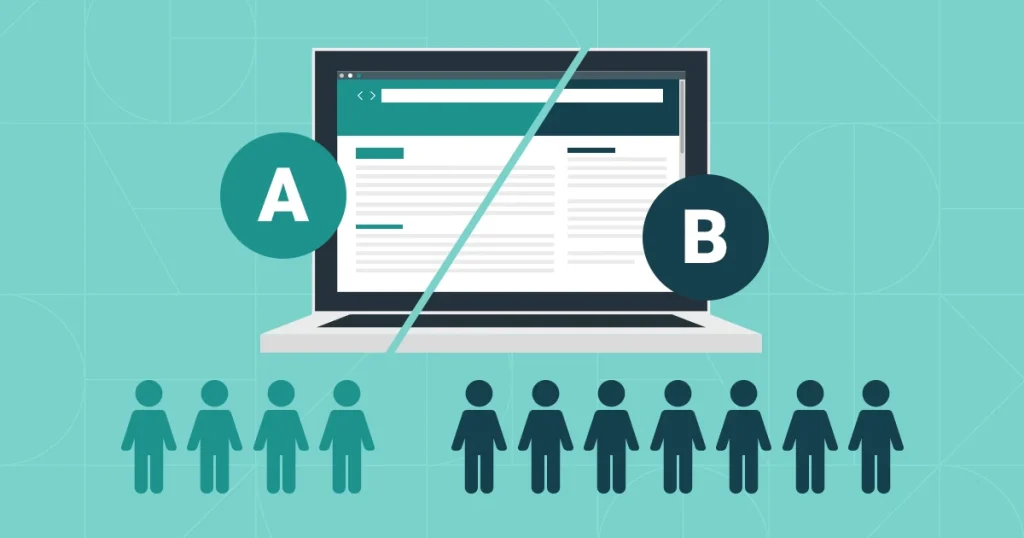
A/B test creatives weekly—high performers lower effective CPC via Quality Score gains. Tap into audience targeting for remarketing, which drops costs 30-50% as these users convert better.
Link up Google Analytics for conversion tracking; aim for a 5%+ rate to justify spend. Finally, quarterly audits ensure bids align with ROI—tools like Google Ads Editor make this a breeze.
For SMEs, starting small ($500-2,000/month) scales safely, focusing on high-intent keywords.
Conclusion: Maximise Your Google Ads Investment with netStripes
Navigating Google Ads cost in Australia for 2025 takes strategy, not guesswork. From auction dynamics to industry benchmarks, the key is that costs are manageable with the right approach. Whether your average CPC lands at $2 or $10, the real metric is ROI—turning clicks into customers.
That’s where netStripes steps in. As a top-tier Google Ads agency in Australia, netStripes specialises in crafting tailored campaigns that keep Google Ads costs down while maximising results. Our team of certified experts handles everything from keyword research and bid optimisation to A/B testing and performance reporting, helping businesses in retail, finance, and more achieve 3-5x ROAS. We’ve helped hundreds of Aussie brands scale smartly, whether you’re a startup in Hobart or an enterprise on the Gold Coast.
Ready to sort out your Google Ads cost and turbocharge growth? Contact netStripes today for a free audit, and let’s turn your ad spend into sustainable success.
Digital Marketing Strategy for Australian Businesses in 2025
In the fast-paced world of Australian business, a robust digital marketing strategy is no longer a luxury—it’s an essential tool for survival and growth. As we step into 2025, the digital space continues to evolve, driven by advancements in technology, shifting consumer behaviours, and economic pressures unique to our market. At netStripes, we’ve been at the forefront of helping small and medium-sized enterprises (SMEs) navigate this terrain for over a decade. Our approach combines smart strategy, killer websites, and proven digital marketing to transform goals into achievements. This guide explores the creation of an effective digital marketing strategy specifically designed for Australian businesses, leveraging our expertise in digital transformation.
Whether you’re a retailer or a service provider or a startup, understanding and implementing a comprehensive digital marketing strategy can propel your brand forward. We’ll explore key components, emerging trends, and practical steps to ensure your business thrives in 2025 and beyond.
What is a Digital Marketing Strategy?
At its core, a digital marketing strategy is a blueprint that outlines how your business will leverage online channels to achieve its objectives. It’s not just about posting on social media or running ads; it’s a holistic plan that integrates strategy, branding, website design, promotion, and ongoing support. In Australia, where digital adoption is high, with over 90% of the population online, a well-crafted strategy can mean the difference between blending in and standing out.
From our perspective at netStripes, a strong digital marketing strategy begins with goal setting. What do you want to achieve? Increased leads, higher sales, or greater brand awareness? We refine and craft this strategy to align with your business model, ensuring it’s realistic and measurable. Key elements include:
Audience Targeting: Identifying your ideal customers based on demographics, behaviours, and location. In Australia, this might involve focusing on urban millennials in capital cities or regional baby boomers.
Channel Selection: Choosing the right platforms, from Google Ads and SEO to social media like Facebook, Instagram, and LinkedIn.
Content Creation: Developing high-value content that resonates, such as blogs, videos, and eBooks.
Measurement and Optimisation: Using data to track performance and make continuous improvements.
Without this foundation, even the flashiest campaigns can fall flat. We’ve seen countless SMEs waste resources on disjointed efforts; a unified strategy ensures every dollar spent contributes to growth.
Emerging Trends Shaping Digital Marketing in Australia for 2025
As we look ahead to 2025, several trends are set to dominate the Australian digital marketing scene. Economic uncertainties, such as inflation and supply chain issues, are pushing businesses to be more efficient. Meanwhile, technologies like AI, voice search, and augmented reality are opening new avenues.
One major trend is the rise of personalised marketing. Australian consumers expect tailored experiences. Think targeted ads based on browsing history or location-specific offers. At NetStripes, we incorporate retargeting ads into our strategies to re-engage potential customers, boosting conversion rates by up to 70% in some cases.
Sustainability is another hot topic. With Australians increasingly eco-conscious, brands that highlight green practices in their digital marketing strategy gain a competitive edge. Integrate this into your online branding to build trust.
Voice search optimisation is crucial too. With smart speakers in one in four Australian homes, optimising for conversational queries is a must. SEO strategies must evolve beyond keywords to focus on natural language.
Social commerce is booming, especially on platforms like Instagram and TikTok. Australian e-commerce sales are projected to hit $80 billion by 2025, driven by shoppable posts and influencer partnerships. A digital marketing strategy that ignores this misses out on direct sales opportunities.
Finally, data privacy regulations like the Australian Privacy Principles demand compliance. Transparent data handling in your strategy not only avoids fines but also fosters customer loyalty.
Crafting a High-Impact Website: The Heart of Your Digital Marketing Strategy
Your website is the digital storefront of your business—it’s where strategy meets execution. In 2025, Australian users expect fast-loading, mobile-optimised sites with intuitive navigation. A poorly designed site can lead to high bounce rates, undermining your entire digital marketing strategy.
At NetStripes, we specialise in high-impact websites that embody your brand’s strategy. Our process starts with refining your business model, then crafting an online presence that builds trust and credibility. Features like responsive design, secure e-commerce integration, and SEO-friendly architecture are non-negotiable.
Consider this: 85% of Australians research online before purchasing. A custom-built site, unlike DIY platforms such as Wix or Squarespace, allows for bespoke elements that align with big-brand standards. We’ve helped over 10,000 businesses create sites that compete with larger rivals on even terms.
Incorporate elements like compelling calls-to-action, high-quality imagery, and integrated chatbots for real-time engagement. Security is paramount too—cyber threats are rising, so including robust protections ensures peace of mind.
A website isn’t static; it’s a living part of your digital marketing strategy. Regular updates, A/B testing, and analytics integration keep it performing optimally.
Promoting Your Business: Ads, SEO, and Social Media Mastery
Promotion is where your digital marketing strategy comes alive. In Australia, where digital ad spend is expected to exceed $15 billion in 2025 (AD News), smart allocation is key.
Start with SEO—optimising your site and content for search engines like Google. Focus on local SEO for Australian-specific searches, using tools like Google My Business. Long-tail keywords, such as “digital marketing strategy for Sydney SMEs,” drive targeted traffic.
Paid ads amplify this. Google Ads target high-intent searches, while social platforms like Facebook and Instagram allow precise audience segmentation. LinkedIn is ideal for B2B strategies, connecting with professionals across Australia.
Retargeting keeps your brand top-of-mind. If a user visits your site but doesn’t convert, follow-up ads can increase conversions significantly.
Content marketing ties it all together. Blogs, videos, and eBooks position you as an authority. At NetStripes, we produce resources like “The Small Business Digital Engagement Manifesto” to inspire growth.
A data-driven approach ensures continuous improvement. Track metrics like click-through rates, conversion rates, and ROI using tools like Google Analytics. Monthly reviews allow for agile adjustments, saving time and money.
Supporting SMEs: Making Digital Marketing Accessible and Effective
Australian SMEs face unique challenges—limited budgets, time constraints, and competition from big players. A tailored digital marketing strategy addresses these head-on.
Cost-effectiveness is crucial. Our solutions at NetStripes provide big-business quality at SME prices, from strategy refinement to full implementation. No more piecing together freelancers or DIY tools; a holistic system handles everything.
Time efficiency is another benefit. By outsourcing to experts, business owners become time-rich, focusing on core operations while we manage ads, SEO, and support.
Expert support includes website cybersecurity and tech assistance, ensuring reliability. We’ve supported over 7,000 SMEs with this model, driving measurable results like increased leads and sales.
Compare this to alternatives: Freelancers offer piecemeal services, lacking integration. DIY sites are cheap but lack professionalism. netStripes delivers a complete solution—from goal setting to achievement.
Measuring Success and Adapting for the Future
No digital marketing strategy is complete without measurement. In 2025, AI-powered analytics will provide deeper insights, predicting trends and automating optimisations.
Key performance indicators (KPIs) include website traffic, engagement rates, and customer acquisition costs. Tools like Google Analytics and social insights dashboards make tracking straightforward.
Adaptation is key. Australian markets can shift quickly—think post-pandemic consumer habits. Regular audits ensure your strategy remains relevant.
Incorporate feedback loops: Customer surveys and A/B testing refine approaches. A flexible strategy positions your business for long-term success.
Conclusion: Partner with NetStripes for Your Digital Marketing Success
As we’ve explored in this guide, a comprehensive digital marketing strategy is vital for Australian businesses in 2025. From refining your goals and building a high-impact website to leveraging ads, SEO, and data-driven promotions, the growth path is clear but requires expertise.
At NetStripes, we help businesses build their digital marketing strategy to grow their business effectively. With our complete solution—encompassing digital strategy, online branding, promotion, and support—we’ve empowered over 10,000 SMEs to achieve world-class results affordably. Whether you’re looking to strengthen your brand, generate leads, or drive sales, our team of experts is here to guide you from goal setting to goal achievement.
Ready to transform your business? Take the first step with our free assessment tool at netstripes.com and receive an instant report. Let’s craft a digital marketing strategy that fuels your growth in 2025 and beyond.