

Starting a small business is exciting, but getting customers to discover your products or services can be challenging. You might have a great product, an excellent service or years of industry experience, but without a strong marketing strategy, reaching the right audience can be difficult.
This is where digital marketing becomes important.
Today, Australian consumers use Google, social media, online reviews and websites to research businesses before making purchasing decisions. Whether someone is looking for a local electrician in Sydney, a financial adviser in Melbourne or a clothing store in Brisbane, their buying journey often begins online.
For small businesses, digital marketing creates opportunities to build brand awareness, reach potential customers and generate enquiries through online channels.
However, getting started does not mean investing in every marketing platform or spending thousands of dollars on advertisements.
The key is to understand your audience, choose the right channels and build a marketing strategy that supports your business goals.
In this guide, we’ll explain how small businesses in Australia can get started with digital marketing, what activities to prioritise and how to build a stronger online presence over time.
Understanding Digital Marketing for Small Businesses in Australia
1. Understand Your Target Audience Before Starting
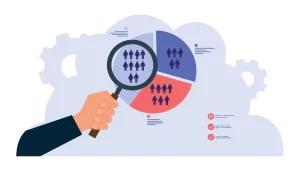
Before creating a website, running advertisements or publishing social media posts, you need to understand who your customers are.
One of the most common mistakes small businesses make is trying to market their products or services to everyone.
A more effective approach is to identify the people most likely to need what your business offers.
Start by asking:
- Who are your ideal customers?
- What problems are they trying to solve?
- Where are they located?
- What products or services are they searching for?
- Which businesses are they currently choosing?
- Where do they spend time online?
For example, a plumbing business operating in Sydney might target homeowners, property managers and commercial property owners across selected suburbs.
An online clothing retailer, on the other hand, might target Australian customers based on their interests, shopping behaviour and product preferences.
Research Your Competitors
Research businesses offering similar products or services to the same audience.
Review their websites, Google search presence, social media accounts, customer reviews and advertising messages.
Identify what they communicate well, where their online presence is weak and what customers frequently mention in reviews.
This research can help you identify opportunities to differentiate your business.
Practical tip: Start with one clearly defined customer group. You can expand your targeting as your business grows and you collect more customer information.
2. Build a Professional Website for Your Business
Your website is one of the most important foundations of digital marketing.
It acts as your online business location, helping potential customers understand what you offer, explore your services and contact you.
Even if most of your customers discover you through social media, having a professional website gives them somewhere to learn more about your business.
What Should Your Website Include?
A small business website does not need dozens of pages when you’re starting out. Focus on the information customers need.
Homepage: Explain what your business does, who it serves and why customers should choose you.
About Us: Introduce your business, experience, values and team.
Products or Services: Clearly explain what you offer and how customers can benefit.
Contact Page: Include your phone number, email address, business location and an easy-to-use enquiry form.
Customer Reviews: Display genuine testimonials and feedback, with permission where required.
Blog: Publish useful information that answers customer questions and supports your SEO strategy.
Make Your Website Mobile-Friendly
Many customers browse websites using smartphones. Your website should load quickly, display correctly on different screen sizes and make it easy for visitors to contact you.
Important considerations include:
- Fast-loading pages.
- Simple navigation.
- Clear headings and readable content.
- Visible contact buttons.
- Secure HTTPS connections.
- Accessible forms and contact information.
A professional website should not simply look attractive. It should help visitors take the next step, whether that means making a purchase, requesting a quote or booking an appointment.
3. Set Up Your Google Business Profile for Local Visibility
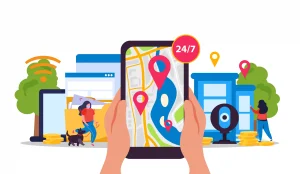
If your small business serves customers in a specific Australian city or region and meets Google’s eligibility requirements, local search visibility should be an early priority.
Google Business Profile helps eligible businesses manage how they appear across Google Search and Google Maps.
For example, someone searching for “electrician near me” or “cafe in Parramatta” may discover relevant businesses through local search results.
How to Optimise Your Google Business Profile
Start by creating or claiming your eligible business profile and completing the essential information.
- Use your correct business name.
- Select the most relevant primary business category.
- Add accurate contact information.
- Enter your address or service areas where applicable.
- Include business hours.
- Upload genuine photographs.
- Add your website link.
- List relevant products or services.
- Encourage genuine customer reviews.
- Respond professionally to customer feedback.
For service-area businesses that operate at customer locations rather than receiving visitors at a business address, configure the profile according to Google’s service-area business guidelines.
Why Customer Reviews Matter
Online reviews help potential customers evaluate a business before contacting it.
Encourage satisfied customers to share honest feedback after completing a purchase or service.
Respond to reviews professionally, including negative feedback. This demonstrates that your business takes customer experiences seriously.
For small Australian businesses, a well-maintained Google Business Profile can become an important source of local discovery and enquiries.
4. Start Search Engine Optimisation (SEO)
Search Engine Optimisation (SEO) helps your website become more visible when potential customers search for relevant products and services.
For example, a Melbourne-based landscaping business might want to appear when someone searches for:
- Landscaping services Melbourne.
- Garden maintenance Melbourne.
- Residential landscaping near me.
- Landscape design for small gardens.
SEO helps businesses attract relevant organic traffic from these searches without paying for each individual organic click.
How Small Businesses Can Start SEO
You do not need to optimise hundreds of pages immediately.
Begin with the following activities.
Keyword Research
Identify the search terms your potential customers use when looking for your services.
Focus on relevant keywords that reflect genuine customer intent and your business’s service locations.
Optimise Website Pages
Include relevant keywords naturally in page titles, headings, meta descriptions and website content where they accurately reflect the page.
Each important service should have a clear and informative page.
Create Useful Blog Content
Answer common customer questions and publish educational articles related to your industry.
For example, an Australian accounting firm could publish articles about business tax preparation, bookkeeping, BAS reporting and small business financial management.
Improve Technical SEO
Make sure search engines can crawl and index your important website pages. Review broken links, page loading performance, mobile usability, redirects and XML sitemap configuration.
Build Website Authority
Develop relevant industry relationships, earn mentions from credible sources and attract genuine backlinks from websites relevant to your business.
How Long Does SEO Take?
SEO is a long-term investment. Results depend on your website’s condition, competition, industry and the work involved.
Rather than expecting immediate rankings, focus on building a technically sound website and consistently improving its content and relevance.
For small businesses, starting with a few important service pages and local search opportunities is often more manageable than trying to target every possible keyword.
5. Choose the Right Social Media Platforms
Social media allows small businesses to connect with customers, share updates, showcase products and build brand recognition.
However, you do not need to be active on every social media platform.
Choose channels based on your target audience and the type of business you operate.
Which Social Media Platforms Should Small Businesses Use?
Useful for local communities, customer engagement, business updates, promotions and targeted advertising.
Suitable for visual businesses such as fashion, hospitality, beauty, home improvement and retail.
Valuable for professional services, consultants, B2B businesses and companies targeting other organisations.
TikTok
Can help businesses reach audiences through short-form videos, product demonstrations, educational content and creative storytelling.
What Should You Post?
Start with a simple and consistent content plan.
Some useful content ideas include:
- Introduce your business and team.
- Explain your products and services.
- Share customer success stories.
- Publish helpful industry tips.
- Showcase completed projects.
- Answer common customer questions.
- Share behind-the-scenes content.
- Promote special offers where appropriate.
For example, a small Australian home renovation company could share before-and-after photographs, renovation tips, completed projects and short videos explaining its services.
Consistency and relevance matter more than posting every day without a clear purpose.
6. Use Google Ads and Meta Ads to Reach More Customers
Organic marketing takes time to build momentum. If your business needs to reach potential customers more quickly, paid advertising can help.
Two common options for Australian small businesses are Google Ads and Meta Ads.
Google Ads
Google Ads allows businesses to display advertisements when people search for relevant products or services.
For example, a Sydney-based pest control business could target searches such as:
- Pest control Sydney.
- Termite inspection Sydney.
- Residential pest treatment.
The advantage is that you can reach people who are actively searching for the services you provide.
To get started:
- Identify your most valuable services.
- Research relevant search keywords.
- Choose the locations you want to target.
- Write clear and relevant advertisements.
- Create dedicated landing pages.
- Set up conversion tracking.
- Review search terms and campaign performance regularly.
Meta Ads (Facebook and Instagram)
Meta Ads can help businesses reach potential customers using the audience targeting options available for their campaign, alongside factors such as interests, behaviours and campaign objectives.
They can be useful for:
- Promoting new products.
- Building brand awareness.
- Generating enquiries.
- Advertising special offers.
- Retargeting eligible website visitors.
- Reaching relevant customer audiences.
For example, an Australian furniture retailer could use Facebook and Instagram advertisements to showcase new collections, promote products and encourage customers to visit its online store.
How Much Should a Small Business Spend?
There is no universal advertising budget that works for every business.
Your budget should depend on your industry, competition, customer acquisition costs, sales value and ability to handle new enquiries.
Start with a controlled test budget that your business can comfortably allocate to experimentation. Establish reliable conversion tracking and review the quality of enquiries before increasing spending.
The objective should be profitable customer acquisition, not simply generating more clicks.
7. Use Content Marketing to Build Trust and Attract Customers
Content marketing involves creating and distributing useful information to attract and engage your target audience.
It can include blogs, videos, social media posts, guides, newsletters and other educational resources.
For small businesses, content marketing provides an opportunity to demonstrate expertise and answer customer questions before they make a purchasing decision.
Content Ideas for Small Businesses
Consider the following examples:
| Business type | Content ideas |
|---|---|
| Accounting firm | Small business tax tips, bookkeeping guides and BAS information |
| Plumber | Common plumbing problems, maintenance tips and emergency plumbing advice |
| Real estate agency | Property market updates, suburb guides and selling advice |
| Healthcare clinic | General health education and service information |
| Retail business | Product comparisons, buying guides and demonstrations |
| Digital agency | SEO guides, advertising tips and website optimisation |
Repurpose Your Content
You do not need to create completely different content for every platform.
A single blog article can become:
- Multiple social media posts.
- A short educational video.
- A LinkedIn article.
- An email newsletter.
- An FAQ section on your website.
AI tools can help with research, brainstorming, outlining and repurposing content. However, review the final material for accuracy, originality and relevance before publishing.
The focus should always remain on providing genuine value to your audience.
8. Build an Email Marketing Strategy
Email marketing is another useful channel for small businesses looking to maintain relationships with customers.
Unlike social media, where visibility depends on platform algorithms, an email list gives you a direct communication channel with people who have chosen to receive your updates.
You can use email marketing to:
- Welcome new subscribers.
- Share business updates.
- Promote products and services.
- Send useful educational content.
- Announce events and offers.
- Encourage repeat purchases.
- Re-engage previous customers.
For example, an Australian online store could send subscribers product updates, new collection announcements and relevant promotional offers.
Start by collecting email addresses through appropriate website forms and customer interactions.
Make sure you obtain the required consent, identify your business and provide an unsubscribe option. Australian businesses must comply with the Spam Act 2003 and applicable privacy obligations.
9. Track Your Digital Marketing Performance
Starting digital marketing is only the first step. You also need to understand whether your activities are generating meaningful business results.
Without measurement, it becomes difficult to identify which marketing channels deserve more attention and which activities need improvement.
Fortunately, several tools can help small businesses monitor performance.
| Tool | What it helps measure |
|---|---|
| Google Analytics 4 | Website traffic and user interactions |
| Google Search Console | Organic search clicks, impressions and indexing |
| Google Business Profile | Available profile performance insights |
| Google Ads | Advertising spend, conversions and campaign performance |
| Meta Business Suite | Social media engagement and account performance |
| CRM software | Leads, customer enquiries and sales progress |
Which Metrics Should You Monitor?
Focus on metrics that connect marketing activities with business objectives.
- Website visitors.
- Organic search traffic.
- Phone calls and form submissions.
- Cost per lead.
- Qualified enquiries.
- Conversion rate.
- Customer acquisition cost.
- Sales and revenue.
For example, if your Google Ads campaign generates 30 enquiries but only three become paying customers, you need to understand the quality of those enquiries and the actual cost of acquiring each customer.
This is more valuable than judging campaign success by clicks alone.
10. A Simple 90-Day Digital Marketing Plan for Small Businesses
If you are starting from scratch, trying to manage every marketing channel at once can become overwhelming.
A structured 90-day plan can help you prioritise important activities and build your online presence gradually.
Days 1–30: Establish Your Online Presence
Focus on creating the foundations.
- Identify your target customers.
- Research your competitors.
- Develop a basic digital marketing strategy.
- Build or improve your business website.
- Set up your Google Business Profile if eligible.
- Create your social media business accounts.
- Install and configure analytics and conversion tracking.
Goal: Make your business discoverable and easy to contact online.
Days 31–60: Start Building Visibility
Once your foundations are ready, begin attracting potential customers.
- Conduct keyword research.
- Optimise your main website pages.
- Start publishing helpful blog content.
- Post consistently on selected social media platforms.
- Encourage genuine customer reviews.
- Improve your local search presence.
- Test a small paid advertising campaign if appropriate.
Goal: Increase relevant visibility and start generating enquiries.
Days 61–90: Measure, Improve and Expand
Use the data from your first two months to make better decisions.
- Review website traffic and search performance.
- Identify which pages attract visitors.
- Analyse the quality of customer enquiries.
- Review advertising costs and conversions.
- Improve underperforming landing pages.
- Develop new content based on customer questions.
- Allocate more resources to channels producing valuable results.
Goal: Build a repeatable marketing process that supports sustainable business growth.
Remember that 90 days is a starting framework, not a guarantee of rankings or sales. Some channels, particularly SEO, require a longer period to demonstrate their full impact.
Conclusion: Start Small, Build Consistently and Grow Strategically
Digital marketing does not have to be complicated for small businesses.
You do not need to invest in every platform, publish content every day or run expensive advertising campaigns from the beginning.
What matters is understanding your customers, building a professional online presence and choosing the marketing activities that support your business goals.
For Australian small businesses, a strong starting point is to develop a useful website, optimise local search visibility, establish a consistent social media presence and gradually introduce SEO, content marketing and paid advertising.
As your business grows, these channels can work together to attract more relevant customers, build brand trust and generate consistent enquiries.
At netStripes, we help Australian businesses develop digital marketing strategies that combine SEO, Google Ads, Meta Ads, social media marketing, content marketing and website development.
Whether you are just establishing your online presence or looking to improve your existing marketing performance, the right strategy can help turn digital activity into measurable business growth.
Explore our Digital Marketing Services in Australia and discover how your business can build a stronger online presence.
Start with the right strategy, focus on your customers and grow your business one step at a time.
Get a Free Strategy Call
45 minutes with Tony. No pitch. A direct assessment of your situation. No charge.
Response within 4 business hours · Australian team · No pitch · No lock-in
Recent Posts
- 01 AEO vs GEO vs SEO: What’s the Difference, and Which Does Your Business Need in 2027? November 22, 2026
- 02 The Future of Content Marketing: How AI Watermarking Changes the Game for Australian Businesses November 19, 2026
- 03 How to Win Across AI, Search, Social & YouTube: A Digital Growth Strategy for Australian Businesses November 17, 2026
- 04 Google Ads in the Age of Automation: What Still Works & Matters for Australian Businesses November 17, 2026
- 05 Healthcare SEO in Australia: A Guide to SEO for the Healthcare Industry October 23, 2026
1-on-1 Digital Strategy Advisory
Government-recognised advisory for small business. Get a clear, prioritised growth plan built around your numbers — not a sales pitch.